7 Best Garment Steamers For Blocking To Own
Master the art of blocking with our top seven garment steamers. Discover efficient, fabric-safe tools designed to perfect your knitting and crochet projects.
Blocking is the final, transformative step that turns a collection of loops into a professional-grade garment. While wet blocking is the gold standard for many fibers, steam blocking offers a faster, more controlled way to manipulate drape and stitch definition. Choosing the right steamer is essential to ensure you are applying moisture and heat without compromising the integrity of your yarn. This guide explores the best tools to help your finished pieces reach their full potential.
Reliable Conair Turbo ExtremeSteam Handheld Steamer


The Conair Turbo ExtremeSteam is a staple in many knitting bags because it is incredibly accessible and gets the job done without fuss. It offers a consistent, steady flow of steam that is perfect for smoothing out uneven tension in stockinette stitch.
For those working with wool-acrylic blends, this steamer provides enough heat to relax the fibers without the risk of "killing" the yarn. Its handheld design allows you to maneuver around complex cables or lace motifs with ease.

However, keep in mind that the water reservoir is relatively small. If you are blocking a large adult-sized sweater, expect to refill it a few times during the process.
Rowenta X-Cel Steam Force Garment Steamer Review

The Rowenta X-Cel is a powerhouse when you need a high-pressure burst to set a stubborn edge or flatten a curled hem. Its heated soleplate is a unique feature that allows you to lightly press the fabric if needed, which can be a game-changer for finishing seams.
If you frequently work with cotton or linen—fibers that often require a bit more "persuasion" to lay flat—this model is a fantastic investment. The steam output is robust, penetrating thick, multi-ply yarns quickly.
Be cautious, though: the high heat can be aggressive. Always test on a swatch first to ensure you aren’t accidentally flattening the loft of a delicate wool or alpaca yarn.
J-2000 Jiffy Garment Steamer for Heavy Blocking
If you are a prolific knitter who finishes several sweaters a month, the Jiffy J-2000 is the gold standard. This is a floor-standing unit that offers a massive reservoir, meaning you can block an entire wardrobe without stopping to refill.
The steam consistency is unmatched, providing a gentle, continuous cloud of moisture that is perfect for heirloom-quality projects. It is particularly effective for large-scale lace shawls where you need to maintain steam over a wide surface area for an extended period.
The tradeoff here is space and portability. It is a permanent fixture in your studio, not something you’ll want to pull out for a single pair of socks.
PureSteam Portable Fabric Steamer for Knitwear

The PureSteam is all about portability and convenience for the knitter on the go. Its compact frame makes it an ideal companion for travel or for knitters who lack a dedicated craft room.
It is surprisingly efficient for its size, heating up in under a minute. This makes it perfect for "spot blocking"—touching up a specific area of a garment that might have stretched out of shape or developed a crease.
While it lacks the heavy-duty power of larger units, it is perfectly adequate for light-weight fingering or sport-weight projects. It is a reliable choice for beginners who want a dedicated tool without a significant financial commitment.
Beautural 1200W Steamer: Budget-Friendly Choice
The Beautural 1200W is proof that you don’t need a professional-grade appliance to achieve professional-looking results. It is lightweight, ergonomic, and very simple to operate, which is ideal if you find complex settings intimidating.
It works exceptionally well on smaller accessories like hats, cowls, and mittens. Because it is so lightweight, you can easily hold it in one hand while using your other hand to gently shape your knitting on the blocking mats.
Just remember that it is a basic tool. It may lack the advanced features of more expensive models, but for the vast majority of standard wool-based projects, it performs admirably.
Fridja F1000 Professional Garment Steamer Pick

The Fridja F1000 is a sophisticated piece of equipment that offers a level of precision rarely seen in home steamers. It features an adjustable steam output, allowing you to dial back the intensity for more delicate fibers like silk or mohair.
This level of control is vital for knitters who work with luxury fibers that are prone to felting or distortion. Being able to regulate the moisture prevents the common mistake of over-steaming, which can lead to a garment losing its intended shape.
It is an investment piece, certainly, but for the advanced knitter working with expensive, high-twist yarns, it offers peace of mind. You are paying for the ability to treat your fiber with the exact level of care it requires.
Philips Steam&Go Handheld Steamer for Projects
The Philips Steam&Go is a versatile tool that excels at horizontal steaming, which is a major advantage for knitters. Being able to steam while the garment lies flat on a board prevents gravity from stretching out the wet, warm fibers.
Its design is sleek and the steam distribution is very uniform, which helps prevent water spots—a common frustration with cheaper steamers. It is a solid middle-ground choice for someone who wants quality without the bulk of a floor unit.
It is particularly effective for finishing stranded colorwork, where you need to gently encourage the floats to relax so the fabric drapes evenly. It is a reliable, workhorse tool for everyday knitting needs.
How to Safely Steam Block Delicate Wool Fibers
Steam blocking is essentially using heat and moisture to relax the internal structure of the yarn. For delicate fibers like merino or cashmere, the goal is to introduce steam without physically touching the fabric with the steamer head.
- Keep your distance: Hold the steamer at least two to three inches away from the fabric.
- Use a press cloth: If you are nervous, place a thin cotton towel between the steamer and the project.
- Avoid over-saturation: You want the fibers to feel warm and pliable, not soaking wet.
Always remember that wool is a protein fiber; it is susceptible to permanent damage if the heat is too intense. When in doubt, start with less steam and build up slowly.
Essential Steam Blocking Techniques for Knitters
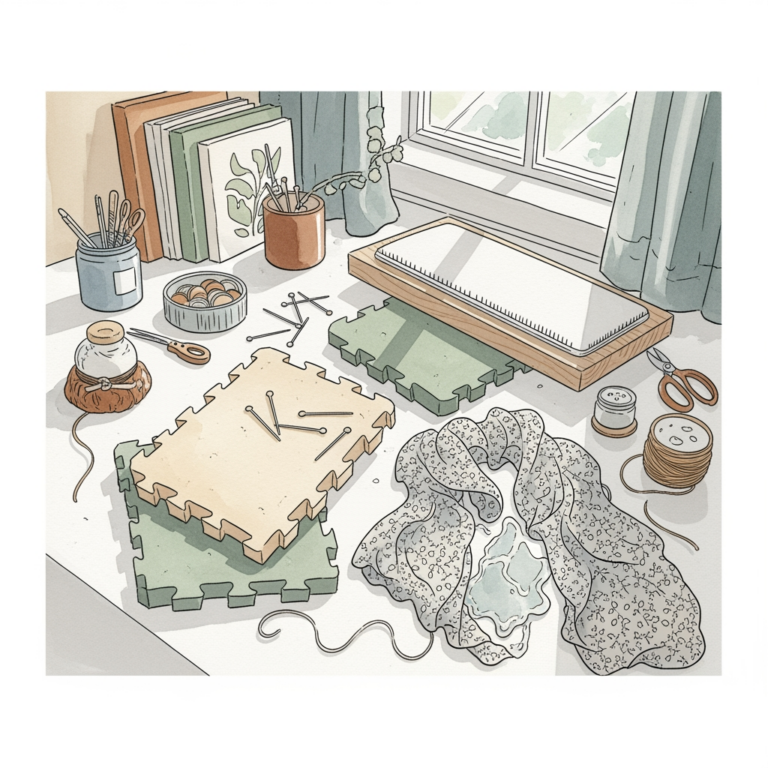
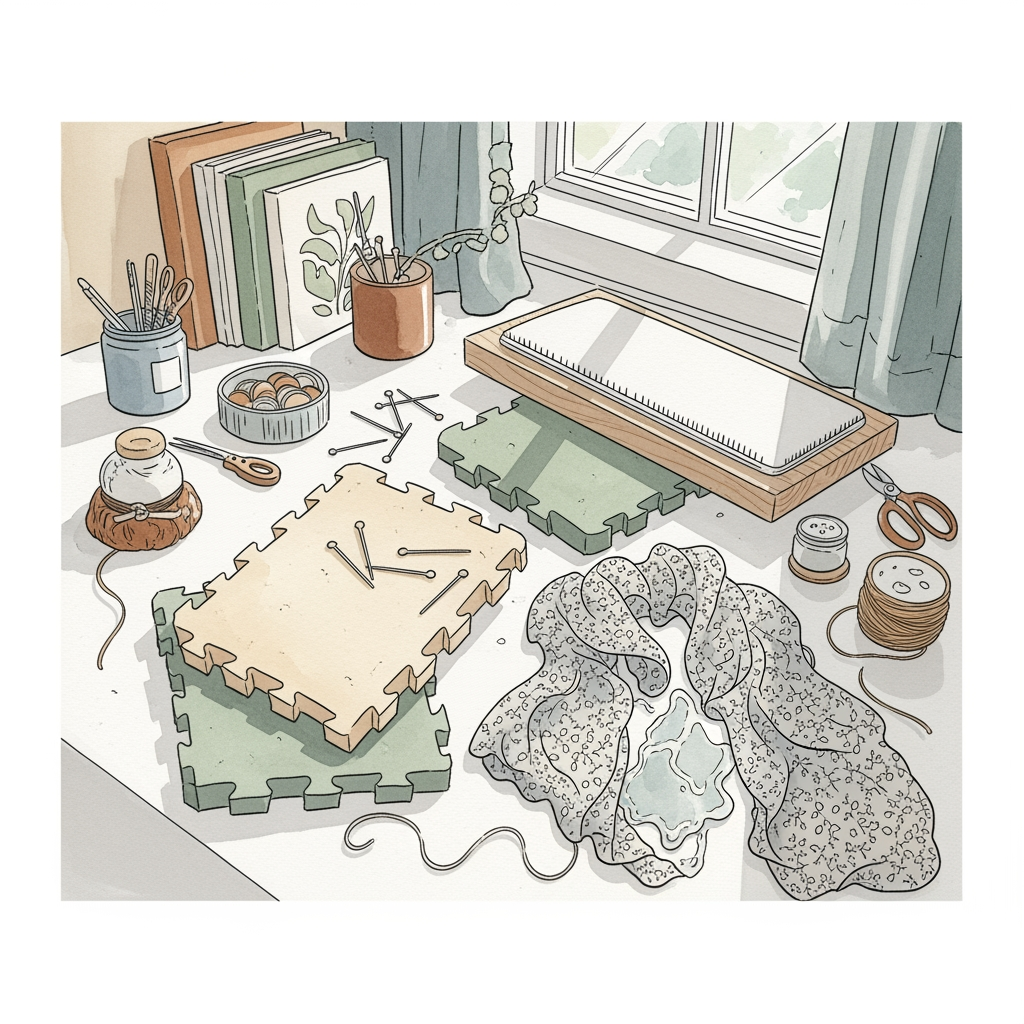
The secret to professional blocking is not just the steam, but the pinning. Before you even turn on your steamer, ensure your garment is pinned to the correct dimensions on your blocking mats.
Use rust-proof T-pins to secure the edges, pulling gently to open up the stitches. Once pinned, hover your steamer over the surface, moving in slow, sweeping motions across the entire piece.
After steaming, let the garment rest. Do not remove the pins until the piece is completely cool and dry to the touch, as the fibers are still "setting" their new shape while they cool.
Avoiding Heat Damage During the Blocking Process
Heat damage is the knitter’s worst nightmare, often manifesting as a loss of stitch definition or a permanent "flattening" of the yarn’s texture. Synthetic fibers like acrylic are particularly prone to "killing," where the fibers melt and become permanently draped and lifeless.
- Test your yarn: Always steam a swatch first to see how it reacts.
- Check the fiber content: Natural fibers generally handle steam better than synthetics, but they can still felt if agitated while wet.
- Watch for shine: If your yarn starts to look shiny or greasy, you are likely applying too much heat.
The bottom line is that steam should be a gentle suggestion to the fiber, not a forceful command. With a bit of patience and a light touch, you can achieve a polished finish that elevates your hard work to a professional level.
Selecting the right steamer is a personal process that depends on your project volume, the fibers you prefer, and your available workspace. Whether you choose a compact handheld unit or a professional floor-standing model, the goal remains the same: to provide gentle, consistent care to your knitted fabric. Use these tools to honor the hours you spent at the needles, ensuring your garments look as beautiful as they feel. Happy blocking, and may every stitch find its perfect place.