7 Best Scouring Detergents For Cleaning Raw Wool
Clean raw wool effectively with our top 7 scouring detergents. Discover the best formulas to remove lanolin and dirt while preserving delicate fiber quality.
Processing raw fleece is a transformative experience that turns a matted, barn-scented bundle into the pristine, lofty wool you dream of knitting into a sweater. Choosing the right scouring agent is the most critical step in ensuring your hand-spun yarn retains its natural luster and elasticity. Without the proper chemistry, you risk stripping the fiber of its essential character or, worse, accidentally felting your entire batch. This guide breaks down the best detergents to help you master the messy, rewarding art of fleece preparation.
Unicorn Power Scour: Best Overall for Raw Fleeces


Unicorn Power Scour is the industry gold standard for a reason. It is specifically formulated to tackle the heavy lanolin and dirt found in raw, unwashed fleeces without requiring a dozen separate rinses.
When you are staring down a greasy Border Leicester or a particularly heavy Corriedale fleece, this detergent acts like a magnet for impurities. It suspends the grease in the water column so it doesn’t redeposit onto the fibers, which is the secret to getting that "squeaky clean" feel.
The tradeoff here is potency; it is quite concentrated. Always measure carefully, because using too much can actually make the rinsing process longer than it needs to be. For a project that requires a clean slate—like a fine lace shawl where you need the fiber to be perfectly receptive to dye—this is your best bet.
Kookaburra Wool Wash: Best for Delicate Fibers
Kookaburra is a tea-tree oil-based wash that is incredibly gentle on the protein structure of the wool. If you are working with rare breed fleeces or fibers with a very fine micron count, this is a safer, more nurturing option.
Unlike harsh industrial detergents, Kookaburra leaves a bit of the natural "soul" of the wool behind. It doesn’t strip the fiber to the point of brittleness, which is vital if you are spinning a yarn that needs to withstand the friction of knitting socks or cables.
Keep in mind that it isn’t a heavy-duty grease cutter. If you have a fleece that is exceptionally heavy in lanolin, you might find yourself needing more wash cycles than you would with a stronger detergent. Use this when the fiber quality is the priority over deep-cleaning extreme grease.
Orvus WA Paste: The Professional Spinner Choice
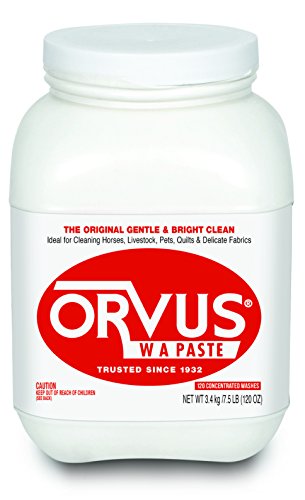
Orvus WA is a classic, neutral synthetic detergent that has been a staple in the fiber arts community for decades. It is a highly concentrated paste that dissolves easily, even in cooler water, making it a reliable workhorse.
Because it is pH neutral, it won’t damage the scales of the wool fiber. This is crucial for spinners who want to maintain the "crimp" and bounce of the fleece, ensuring that the yarn you spin will have the structure needed for a garment that holds its shape.
The downside is that it is very easy to over-use. A tiny amount goes a long way, and if you aren’t careful, you will spend your entire afternoon rinsing bubbles out of your wool. Start with a pea-sized amount and adjust based on the volume of your fiber.
Eucalan Delicate Wash: Best for Gentle Cleaning

Eucalan is beloved by knitters for its no-rinse formula and the subtle, natural scent of essential oils. While many use it for finished garments, it is also an excellent choice for cleaning lighter, cleaner fleeces that don’t require an aggressive scour.
The main benefit here is the convenience of the no-rinse process. By leaving a trace of the conditioning agents in the fiber, it keeps the wool soft and easy to draft while spinning.
Be aware that it is not designed to strip heavy grease. If your fleece is "sticky" with lanolin, Eucalan will likely leave it feeling tacky. Save this for cleaning delicate fibers or for the final soak before you begin your spinning project.
Soak Wash: Best for Quick Rinse-Free Scouring
Soak is the modern alternative to traditional wool washes, designed for speed and ease of use. It is perfect for the knitter who wants to move quickly from raw fleece to the spinning wheel without a long, drawn-out cleaning process.
It is highly effective at removing light surface dirt and dust. Because it is rinse-free, you save significant amounts of water, which is a major consideration if you are cleaning large quantities of fleece at home.
However, it lacks the heavy-duty degreasing power of products like Power Scour. If you are dealing with a fleece that has been stored in a dusty barn for years, you may find that Soak isn’t quite aggressive enough to get it truly clean.
Dawn Ultra Dish Soap: Best Budget-Friendly Option
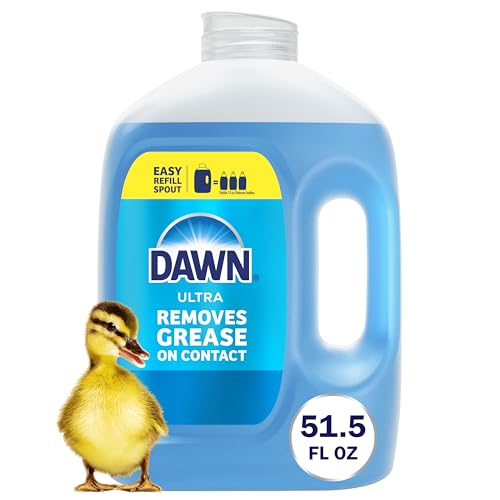
If you are just starting out and don’t want to invest in expensive, specialized detergents, standard Dawn Ultra is a surprisingly effective degreaser. It is designed to cut through grease on dishes, and it does the exact same thing to the lanolin in your raw wool.
The risk with dish soap is that it is often formulated with additives or scents that can be harsh if not rinsed perfectly. You must ensure you rinse the fleece until the water is crystal clear to avoid any residue that could affect the feel of your finished yarn.
Use this only for very greasy fleeces that need a heavy initial scour. It is a great "first pass" detergent to remove the worst of the dirt before moving to a more specialized wool wash for the final cleaning.
Synthrapol Detergent: Best for Removing Grease

Synthrapol is a professional-grade wetting agent and detergent used primarily by fiber artists who dye their own wool. It is incredibly effective at removing spinning oils and heavy lanolin, making the fiber perfectly absorbent for dyes.
If your goal is to spin yarn that will be dyed in vibrant, saturated colors, Synthrapol is the gold standard. It ensures that there is absolutely no grease barrier left on the fiber to cause uneven or patchy color results.
Because it is so effective, it can be a bit drying to the fiber. I recommend following a Synthrapol wash with a light conditioning soak to restore some of the natural suppleness to the wool before you start spinning.
Understanding the Science of Scouring Raw Wool
Scouring is essentially the process of emulsifying lanolin—the natural wax secreted by sheep—so it can be washed away with water. If you don’t remove enough lanolin, your yarn will be sticky and attract dust; remove too much, and the fiber becomes brittle and difficult to spin.
The key is the water temperature. You need hot water to melt the lanolin, but you must keep it consistent. If you fluctuate the temperature, you risk shocking the fibers, which is the primary cause of felting during the cleaning process.
- Lanolin: The natural wax that protects the sheep’s skin.
- Emulsification: The process of breaking down grease into tiny droplets that can be washed away.
- pH Balance: Wool is a protein fiber that thrives in a neutral environment; avoid harsh, alkaline soaps.
Essential Tips for Washing Without Felting
Felting happens when the scales on the wool fiber open up and lock together, usually due to heat shock or agitation. To avoid this, treat your raw fleece like a delicate silk blouse.
Never scrub or rub the wool against itself. Instead, gently press the fleece into the wash water and lift it out, allowing the detergent to do the work of pulling the dirt away from the fibers.
Always maintain a consistent water temperature throughout all stages of the process. If your wash water is 140°F, your rinse water should be close to the same temperature to prevent the fibers from "locking up."
How to Properly Rinse and Dry Your Clean Fleece
Rinsing is just as important as the scouring itself. If you leave detergent residue in the wool, it will make the fiber feel stiff and can even attract dirt over time, which is the last thing you want after putting in all that hard work.
Once rinsed, remove as much water as possible without wringing the wool. I suggest using a salad spinner for smaller locks or a gentle press in a towel to extract excess moisture before laying the fleece out to dry.
Dry your fleece in a flat, shaded, and well-ventilated area. Direct sunlight can weaken the protein structure of the wool, so keep it away from windows or outdoor clotheslines to ensure your fiber stays strong for your next project.
Preparing your own raw fleece is a labor of love that connects you deeply to the origin of your craft. While the process can be messy, taking the time to choose the right detergent and handle your fiber with care will reward you with a beautiful, custom-prepared yarn. Trust the process, keep your water temperatures steady, and enjoy the incomparable satisfaction of knitting with wool you cleaned yourself.