6 Wool Washes For Delicate Care To Prolong Longevity
Keep your favorite garments soft and durable with our top 6 wool washes for delicate care. Discover the best products to prolong longevity and shop our picks now.
The time spent selecting the perfect yarn and carefully crafting every stitch represents a significant investment of effort. Protecting that labor requires choosing the right chemistry for cleaning, as harsh detergents can strip natural oils or degrade delicate protein fibers. Proper maintenance ensures that heirlooms remain soft, structurally sound, and free from moth-attracting debris. This guide examines the best cleaning solutions and methodologies to maintain the integrity of every project.
Eucalan No-Rinse Wash: Best for Delicates


Eucalan is a staple in the fiber arts community because it eliminates the need for rinsing. By skipping the rinse cycle, fibers remain undisturbed, which is crucial for delicate structures like lace shawls that might otherwise felt or stretch during agitation.
The formula contains lanolin, a natural oil found in sheep’s wool, which helps replenish the moisture lost during the spinning and wearing process. This keeps fibers supple and prevents them from becoming brittle or scratchy over time. It is an ideal choice for finished garments that require a gentle refresh rather than a heavy-duty cleaning.
Because it is a no-rinse formula, it is exceptionally efficient for blocking. The slight residue left behind acts as a mild conditioner, helping to smooth out uneven stitches and drape after a final soak.
Soak Wash: The Modern Favorite for Handknits
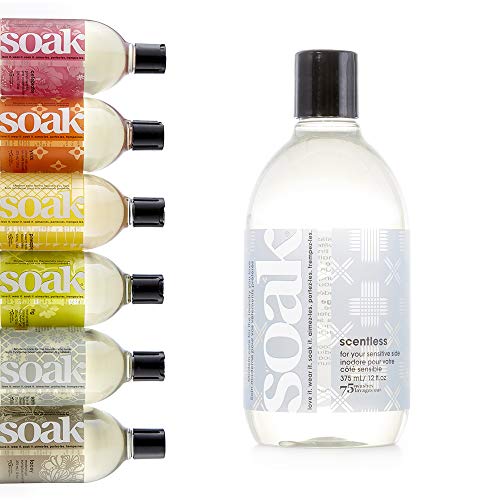
Soak Wash is designed for those who appreciate modern, fragrance-free, or subtly scented options that prioritize cleaning power without harsh chemicals. It is particularly effective for removing body oils and atmospheric dirt from high-traffic items like socks or sweaters.
Like Eucalan, it is a no-rinse product, making the laundry process significantly faster and safer for fragile yarn constructions. The pH-balanced formula ensures that the natural protein structure of animal fibers remains intact, preventing the premature aging of luxury yarns like alpaca or mohair.
The product excels in its versatility, as it is equally effective on both natural fibers and synthetic blends. If the wardrobe includes a mix of wool, cotton, and acrylic-blend knits, this provides a reliable, single-solution approach to garment care.
The Laundress Wool & Cashmere Shampoo: Luxe Care

For garments made of high-end, delicate fibers such as cashmere, angora, or pashmina, The Laundress offers a specialized cleaning profile. This shampoo is formulated to gently remove dirt while protecting the natural sheen and softness inherent in luxury animal hair.
It is particularly useful for projects with complex texture or multi-strand construction that might be prone to shedding. By focusing on deep-conditioning the individual fibers, this wash helps maintain the “bloom” of the yarn, which is essential for preserving the opulent feel of high-quality textiles.
While it is a premium option, it is a smart choice when the cost of the raw material is high. Investing in a specialized cleaner for a rare or expensive wool project effectively protects the initial investment in yarn.
Twig & Horn Wool Soap No. 2: The Artisan Pick
Twig & Horn Wool Soap No. 2 is crafted for the discerning maker who values ingredient transparency and traditional cleaning methods. It provides a more robust cleaning action than standard no-rinse solutions, making it a favorite for those who prefer to rinse their items thoroughly.
The soap is particularly well-suited for heavy-weight sweaters or outdoor gear that may have accumulated deeper dirt. It does not rely on synthetic brighteners or harsh chemicals, ensuring the natural integrity of the wool is preserved without compromising its color or fiber strength.
Because this is a true soap rather than a detergent, it requires a proper rinse. For those who find the act of hand-washing therapeutic and prefer the feel of squeaky-clean wool, this provides a tactile, satisfying experience.
Orvus W.A. Paste Soap: For Deep Cleaning Fleece
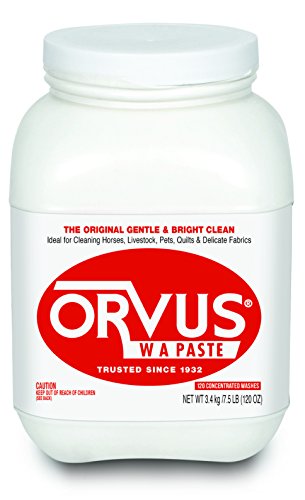
Orvus W.A. Paste is a professional-grade cleaner often used by shepherds and spinners to wash raw fleece. It is incredibly effective at stripping lanolin, dirt, and vegetable matter from greasy wool while remaining surprisingly gentle on the fiber itself.
In a finished garment context, it should be used sparingly, as it is very concentrated. It is the ideal choice for vintage finds or items that have been stored for years and require a deep, restorative deep-clean to remove dust and moth-prevention chemicals.
Due to its potency, always ensure it is fully dissolved in water before introducing the garment. This prevents any localized damage and ensures the cleaning is consistent across the entire project.
Unicorn Fibre Power Scour: For Raw Wool Prep

Unicorn Fibre Power Scour is designed for the most demanding cleaning tasks in the fiber arts world. While it is primarily targeted at processing raw wool, its high-efficiency formula makes it effective for salvaging items that have been heavily soiled or contaminated.
It is a low-sudsing detergent, which is critical because excessive suds are difficult to remove from high-loft fibers. When washing a large, dense wool blanket or a heavy rug that has been sitting in storage, the high-performance enzymes in this scour will break down organic contaminants more effectively than a standard delicate wash.
Use this only for heavy-duty applications where standard delicate soaps are insufficient. It is a powerful tool to keep in the supply cabinet for deep restoration projects.
How to Properly Hand-Wash Your Knitted Items
Hand-washing is a ritual that respects the construction of the garment. Start by filling a basin with tepid water and adding the appropriate amount of soap; avoid extreme temperatures, as rapid temperature shifts can cause the fibers to felt.
Submerge the garment gently, pushing it down into the water without agitating or scrubbing, as mechanical action is the primary cause of felting. Let the item soak for 15 to 20 minutes to allow the soap to lift the soil from the fibers.
When removing the item, support its weight from the bottom rather than lifting it by the shoulders. Lift it out, place it on a clean, dry towel, and roll the towel tightly to absorb excess moisture before laying the garment flat to dry.
No-Rinse vs. Rinse Washes: Which Is for You?
The choice between a no-rinse wash and a traditional rinse-out soap often comes down to the desired texture of the finished project. No-rinse washes are designed to leave a conditioning agent on the fiber, which is helpful for smoothing out small inconsistencies in knitting or softening scratchier wools.
Traditional soaps are better for those who prefer a “neutral” clean, where the yarn is returned to its original state without any added conditioning film. Rinse-out soaps are also preferable for people with extreme sensitivities to fragrances or residues, as the rinsing process physically removes more of the product.
- Choose No-Rinse if: You want to save time, are blocking a delicate lace shawl, or want to add extra softness to the yarn.
- Choose Rinse-Out if: You are washing heavily soiled items, have specific skin sensitivities, or prefer the tactile sensation of a “bare” fiber.
Blocking Your Knits After Washing: A Quick Guide
Blocking is the final step in the knitting process, where you manipulate the shape of the garment while it is damp to finalize the dimensions. This is where lace stitches open up and stranded colorwork evens out.
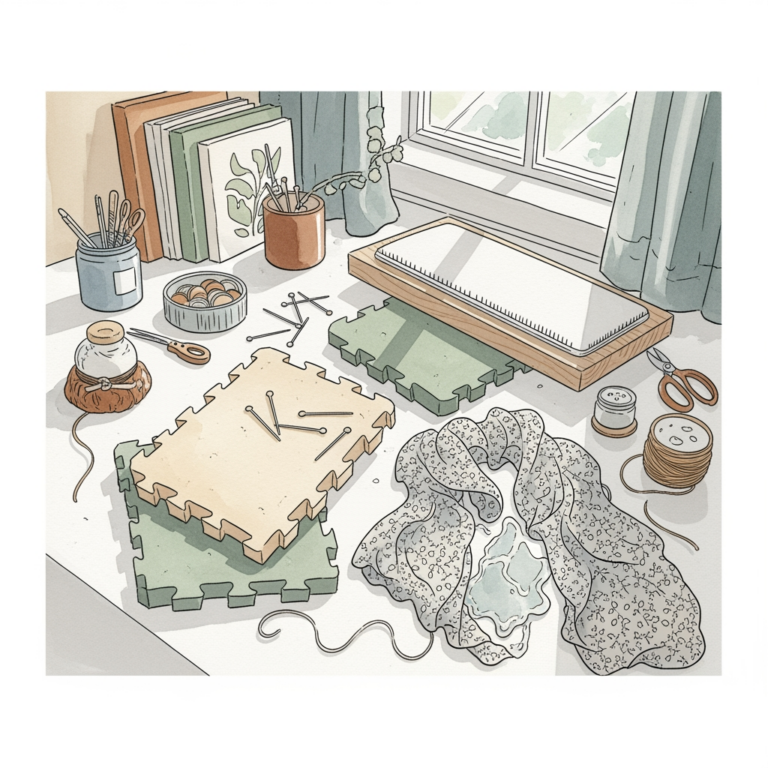
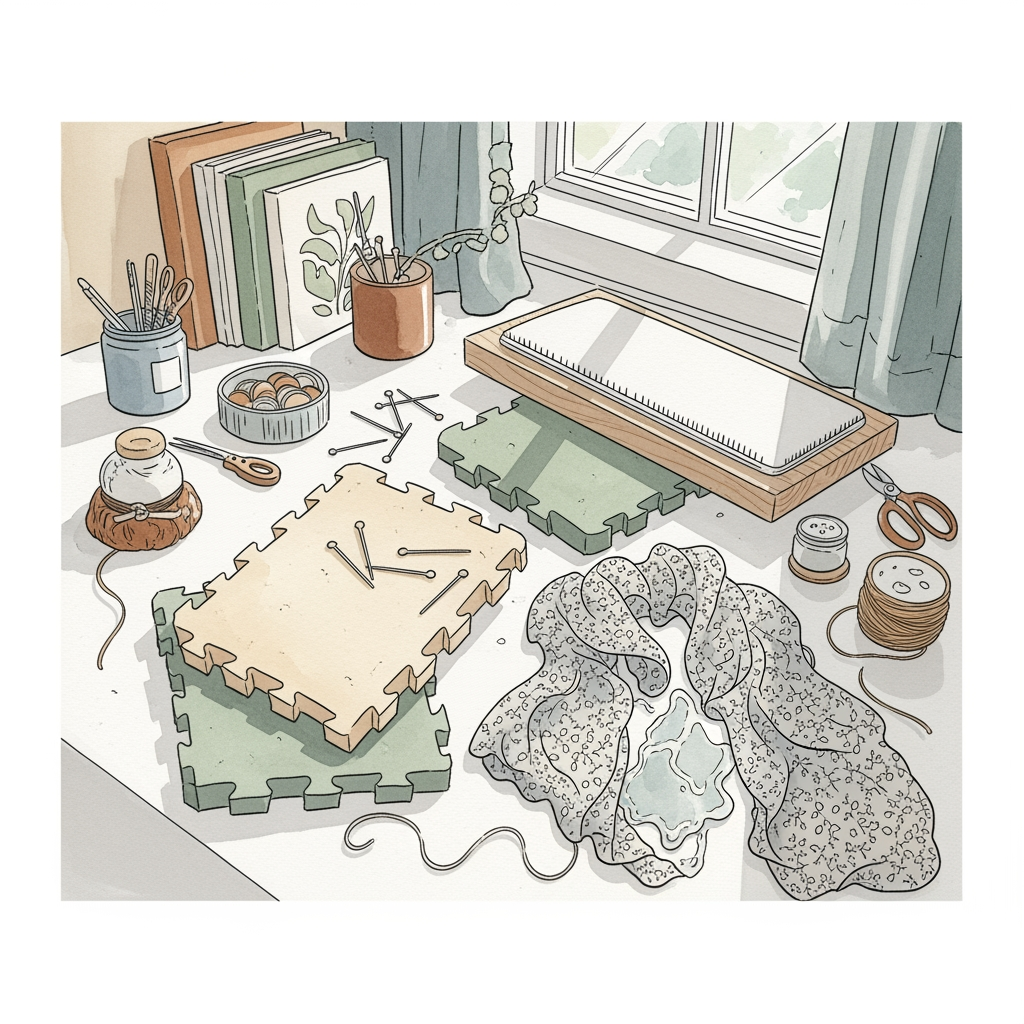
Lay the damp garment flat on a foam mat or a dedicated blocking surface. Use rust-proof pins to gently pull the edges into the correct shape, following the dimensions specified in the original pattern.
Pay close attention to ribbing and cuffs, which should generally not be stretched, as this will lead to a loss of elasticity. Allow the piece to dry completely before removing the pins, as the fiber will “set” into the shape it holds while drying.
The Truth About Using Baby Shampoo on Wool
The advice to use baby shampoo on wool is a common but potentially damaging misconception. While it is marketed as “gentle,” baby shampoo is formulated for human hair, which has different oil requirements and pH balances than sheep’s wool.
Human hair cleansers often contain additives, conditioning agents, or proteins meant to coat hair strands for shine. These can build up on wool over time, attracting dust and potentially creating a sticky residue that is difficult to remove.
More importantly, many baby shampoos are not designed to be pH-balanced for animal fibers. Sticking to products specifically engineered for wool ensures the long-term health and elasticity of the fiber.
Properly caring for hand-knits is as much about the science of the fiber as it is about the love put into the stitches. By selecting the right wash and following intentional cleaning practices, the longevity of every project is guaranteed. Consistent, gentle maintenance remains the most effective way to protect these textile investments for years to come.