6 Best Wool Soaps For Protecting Natural Fibers
Keep your favorite garments soft and durable with our top picks. Discover the 6 best wool soaps for protecting natural fibers and shop your perfect match today.
Natural fibers like wool, alpaca, and mohair require specialized care to maintain their structural integrity and softness over years of wear. Standard laundry detergents often contain enzymes designed to break down organic proteins, which can inadvertently damage the very fibers that make your handmade garments so precious. Choosing the right wash preserves the life of the yarn, prevents unwanted felting, and keeps hand-knit items looking fresh long after they leave the needles. Investing in the correct supplies is just as important as selecting the perfect yarn for a project.
Eucalan No Rinse Wash: Best Overall Wool Soap


Eucalan is the gold standard for many knitters because of its simplicity and protective properties. It contains natural lanolin, which acts as a conditioner for animal fibers, helping to keep them supple and resistant to moisture.
The “no-rinse” formulation saves time and limits the amount of handling a wet, heavy sweater must endure. Reducing agitation is critical when blocking a delicate lace shawl or a dense, heavy cabled cardigan, as friction is the primary cause of fiber breakage and felting.
Because it does not require a rinse cycle, it is the safest choice for garments that are prone to stretching when submerged in water for too long. Simply soak the item, squeeze out the excess gently, and lay it flat to dry.
Soak Wash: Best for Its Modern Scent Library
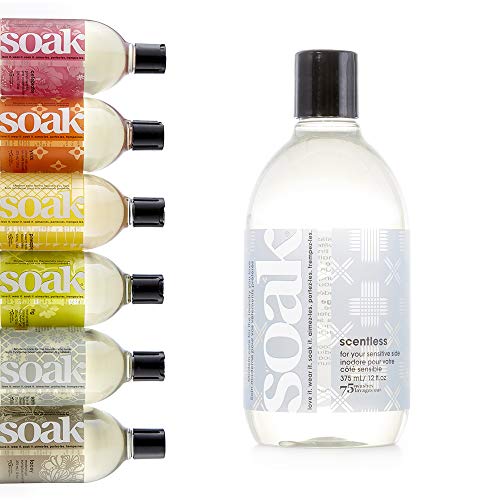
Soak Wash offers a sophisticated approach to garment care with a focus on fragrance and aesthetic. It is specifically formulated to be gentle on delicate proteins while effectively removing dirt and oils from daily wear.
The primary appeal here is the variety of modern, clean scents that don’t smell like traditional “laundry day.” For knitters who want their heirloom blankets or favorite scarves to have a subtle, refreshing aroma, this is the go-to product.
It functions similarly to no-rinse soaps, making the blocking process streamlined and efficient. If you are sensitive to harsh, perfumed detergents, the unscented version provides the same high-quality cleaning without the fragrance.
Kookaburra Wash: Best Lanolin-Enriched Soap

Kookaburra Wash distinguishes itself by focusing heavily on the restoration of fiber health through concentrated lanolin. Lanolin is the natural wax secreted by sheep, and adding it back into the fiber during a wash helps maintain the yarn’s original bounce and sheen.
This wash is particularly beneficial for wools that have begun to feel dry or brittle after multiple washings. It helps “re-grease” the fibers, which can bring life back to tired, older knits that have lost their luster.
Because of its restorative nature, it is an excellent choice for hand-knits intended for outdoor use, such as wool socks or winter hats. The extra lanolin adds a subtle layer of natural water resistance to the garment.
Unicorn Power Scour: For Stains and Raw Fleece

Unicorn Power Scour is the heavy-duty workhorse of the fiber arts world. Unlike standard wool washes, this is a deep-cleaning agent specifically designed to strip away heavy grease, dirt, and even lanolin from raw fleece.
If you are a spinner processing raw wool or dealing with a stubborn stain on a finished garment, this is the product to reach for. It is powerful enough to handle the most difficult cleaning tasks, but it must be used with precision.
Exercise caution with delicate hand-dyed yarns, as its powerful cleaning action can occasionally affect color fastness if used in high concentrations. Use this product only when deep cleaning is absolutely necessary.
Twig & Horn Wool Soap Bar: Best Solid Soap Option
The Twig & Horn bar provides a tactile, traditional experience that many knitters prefer for spot-cleaning. Solid soaps are incredibly convenient for treating small areas, such as an underarm stain on a sweater or a muddy spot on a pair of wool mittens.
The formula is mild and keeps fibers soft without the risk of spills or over-pouring associated with liquid detergents. It is an excellent travel companion for knitters who want to keep their active projects clean while away from home.
To use, simply lather the bar in your hands and gently work the foam into the soiled area. It offers a level of control that liquid washes simply cannot match for targeted cleaning.
Orvus W.A. Paste: Old-School, Economical Choice
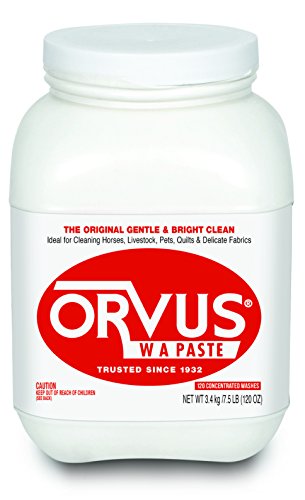
Orvus W.A. Paste has been a staple in the textile and livestock community for decades. It is a highly concentrated surfactant that is famous for its ability to clean thoroughly without leaving residue behind.
Because it is so concentrated, a single container lasts a very long time, making it the most economical choice for those with a vast collection of woolens. It is neutral in pH and very effective at lifting soil away from fibers.
The primary tradeoff is its potency; it is quite easy to use too much. A small, pea-sized amount is often enough for a full basin of water, so measure carefully to avoid having to rinse the garment multiple times.
How to Properly Hand-Wash Your Knitted Garments
Hand-washing is a ritual that should be performed with patience to protect your stitches. Begin by filling a basin with lukewarm water—never hot, as heat causes wool to shrink and felt—and dissolve your wool wash thoroughly before adding the garment.
Submerge the item gently and push it down until it is fully saturated, then let it soak for fifteen to twenty minutes. Never scrub or twist the fabric, as this causes the fibers to lock together and lose their shape.
After soaking, lift the garment out and support its weight with your hands to avoid stretching it out of shape. Gently press the water out against the side of the basin, then lay the item flat on a dry towel and roll it like a jelly roll to remove excess moisture before blocking to final measurements.
Rinse vs. No-Rinse Soaps: What’s the Difference?
The distinction between rinse and no-rinse soaps is primarily a matter of convenience and fiber safety. Rinse soaps are designed to be fully removed from the fibers, which can be useful if you are concerned about residue or if you are cleaning an item that will be worn against very sensitive skin.
No-rinse soaps, however, leave behind a trace of conditioning agents, such as lanolin or silk proteins, to protect the fiber. These are ideal for wool, as they prevent the fibers from becoming “thirsty” or brittle over time.
For most projects, no-rinse is the preferred method because it requires less handling of the wet garment. Less handling equals less risk of pulling, stretching, or accidentally felting your hard-earned stitches.
What Is Lanolin and Why Does Your Wool Need It?
Lanolin is a natural wax secreted by sheep to keep their wool waterproof and protected from the elements. When raw wool is processed into yarn, much of this natural oil is stripped away.
Adding lanolin back into your woolens mimics the fiber’s natural state, keeping it soft, supple, and resistant to dust and grime. It also provides a slight barrier against moisture, which is why lanolin-rich washes are so popular for items like wool diaper covers or winter gear.
Without adequate moisture, wool fibers can become dry and susceptible to breaking, leading to unsightly pilling. Using a lanolin-based wash is effectively providing your garment with a high-quality moisturizer.
Wool Wash FAQ: Can I Use It in a Machine?
Most wool washes are safe for use in modern washing machines, but only if you use the machine’s “hand-wash” or “wool” cycle. These cycles are specifically programmed to minimize agitation and keep water temperatures stable.
If your machine does not have these settings, it is strictly safer to hand-wash. Even on the gentlest setting, a standard washing machine can introduce enough mechanical action to felt a delicate wool item within minutes.
Always check the label of your yarn, as “superwash” wool behaves differently than untreated wool in a machine. Regardless of the machine setting, always use a mesh laundry bag to prevent the garment from snagging on the drum.
Choosing the right wash is a foundational skill that bridges the gap between a finished project and an heirloom piece. By understanding the specific needs of your fiber and selecting the appropriate cleaning agent, you ensure that every row and stitch remains as beautiful as the day it was bound off.