7 Best Varnish Sealers For Acrylic Longevity Worth Using
Protect your artwork with the 7 best varnish sealers for acrylic longevity. Read our expert guide to choose the perfect finish and preserve your paintings today.
Acrylic paint is a staple for decorating hand-knitted ornaments, custom knitting needles, or wooden blocking boards. Without a protective layer, however, these pigments eventually crack, peel, or fade under the constant tension and handling inherent in fiber arts. Choosing the right varnish ensures that the decorative finishes on your tools remain as vibrant as your favorite skein of hand-dyed merino. This guide explores the best sealers to maintain the longevity of your projects and equipment.
Liquitex Varnish: The Artist’s Choice for Purity


Liquitex is widely regarded for its archival quality and consistency. For those painting intricate patterns on birch or bamboo knitting needles, this varnish offers a level of clarity that does not shift the underlying color.
It is water-based and dries to a flexible film. This is crucial for wooden accessories that may expand or contract with changes in ambient humidity. When the varnish remains flexible, it moves with the wood rather than cracking like a brittle shell.
Consider this choice when the goal is long-term preservation of a custom hand-painted item. It resists the buildup of dust and grime that can make smooth needle surfaces feel tacky over time.
Mod Podge Acrylic Sealer: Best All-Around Value
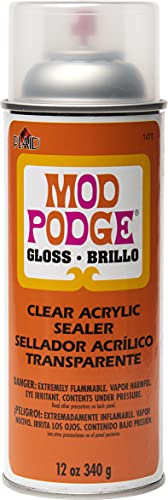
Mod Podge is a familiar name in the crafting world, serving as both an adhesive and a finish. The spray sealer version is specifically formulated to provide a quick, reliable barrier for various surfaces.
If you are a beginner looking to protect a simple project without investing heavily in professional-grade supplies, this is a sensible starting point. It is accessible, easy to apply, and requires very little technical setup.
Be aware that while it is affordable, it may not offer the same high-end UV resistance as specialized polymer varnishes. Use it for home-display items rather than tools meant for high-friction daily use.
Krylon Crystal Clear Spray: For Speed and Even Coats

Krylon is the gold standard for those who prioritize a fast, seamless application. When sealing multiple wooden stitch markers or tool handles, the spray delivery system covers the surface evenly without the need for brushes.
The finish is exceptionally clear and dries to the touch within minutes. This makes it ideal for crafters who work in tight spaces where large setup areas for brush-on varnishes are not feasible.
Note that spray sealers require a well-ventilated space and careful distance management to avoid drips. Hold the can approximately 10 to 12 inches from the surface to ensure a thin, consistent layer that won’t obscure fine details.
Golden Polymer Varnish: Ultimate UV Protection
Golden produces professional-grade products designed to withstand the test of time. For items that might sit in direct sunlight—such as a knitting basket kept near a window—this varnish is unmatched in its UV-blocking capabilities.
The formula is non-yellowing, ensuring that white or light-colored paint remains bright over the years. It is a slightly thicker medium, which provides a robust barrier against the oils from human skin.
While it carries a higher price point, the longevity it provides is worth the investment for heirloom-quality pieces. It is the preferred choice for items that will see heavy use, such as a hand-painted yarn bowl or a personal gauge swatch ruler.
Minwax Polycrylic Finish: The Toughest Protection
Minwax Polycrylic is technically a wood finish, but it excels on rigid surfaces that endure physical wear. If you have painted a set of wooden needles or a crochet hook case, this sealer acts more like a protective shell than a delicate artistic varnish.
It provides a hard, durable surface that stands up to the constant friction of yarn sliding over the needle shaft. This is particularly useful for those who knit with high-tension fibers like linen or cotton that can wear down standard finishes.
Because it is designed for furniture, it is thicker and provides more structure than artist-grade acrylic sealers. Ensure you apply it in thin, light coats to maintain a smooth surface that will not snag delicate fibers like silk or mohair.
DecoArt DuraClear: For a Non-Yellowing Finish
DecoArt DuraClear is a polyurethane varnish that focuses on maintaining the integrity of the paint beneath it. Its primary advantage is its ability to dry crystal clear, preventing the “ambering” effect that can alter the appearance of carefully blended colors.
It is highly self-leveling, meaning it fills in minor brush marks as it dries. This creates a glass-like finish that feels professional and comfortable in the hand.
Use this for projects where color accuracy is paramount, such as painted colorwork charts or decorative yarn storage containers. It bridges the gap between hobbyist ease and professional performance.
Sargent Art Gloss & Varnish: Best for Bulk Projects
Sargent Art offers a reliable, no-frills option that is excellent for large-scale projects. If you are decorating a large batch of stitch markers or buttons to share with a knitting guild, this is an economical choice.
It provides a decent gloss and a standard level of protection. While it may not possess the advanced chemical properties of the high-end polymer varnishes, it is perfectly suited for items that are handled occasionally.
Take care to stir the container gently before use to ensure the matting or gloss agents are evenly distributed. This simple step prevents streaks and uneven textures across your finished items.
Gloss, Satin, or Matte? Choosing Your Finish
The choice of finish changes the entire aesthetic of your piece. Gloss is vibrant and reflective, which is excellent for highlighting bold colors or metallic paint accents on stitch markers.
Satin provides a soft, sophisticated sheen that hides minor imperfections on the surface. It is often the most versatile choice for wooden tools, offering a natural look that mimics a well-oiled wood finish.
Matte is the choice for a muted, artistic look that eliminates glare. However, keep in mind that matte finishes can sometimes appear “chalky” if applied too thickly. Always consider the project type; a high-gloss finish on a tool handle might feel slippery, while a satin finish provides a comfortable grip.
How to Apply Varnish Without Brush Strokes
Achieving a professional, smooth finish depends entirely on your technique. Use a high-quality, synthetic-bristle brush, which is far better at laying down thin layers than coarse, cheap alternatives.
Load the brush with a moderate amount of varnish and use long, overlapping strokes. Avoid over-working the product, as the varnish begins to set almost immediately upon contact with the air.
If you are concerned about brush marks, consider diluting the varnish with a very small amount of water or using a foam applicator. These tools allow for a smoother distribution, especially on rounded surfaces like needles or knitting needle tips.
Brush-On vs. Spray Sealers: Which to Use When
Brush-on varnishes offer more control and a thicker, more durable protective layer. They are ideal for intricate items with crevices where a spray might collect in pools and create unwanted bubbles.
Spray sealers, conversely, are unbeatable for speed and uniformity on large, flat surfaces. They eliminate the risk of brush streaks entirely, provided the environment is controlled and the application is consistent.
When working with fine fibers, avoid spraying in the same room where you keep your yarn stash. Tiny droplets can become airborne and settle on delicate wool, potentially affecting the texture of your materials before they are even off the needles.
Properly sealing your hand-painted fiber art tools ensures your creative efforts remain protected against wear, light, and time. By selecting the varnish that best matches your project’s specific needs, you extend the life of your favorite accessories and maintain their beauty for years of knitting.