6 Best Wool Wash Liquids For Finished Garments
Keep your knitwear soft and durable with our top 6 wool wash liquids. We evaluate the best formulas to ensure gentle cleaning and long-lasting fabric care.
After spending two decades at the loom and the needles, I have learned that the life of a hand-knit garment truly begins the moment it hits the wash basin. Using the wrong soap on a labor-intensive wool sweater is a quick way to turn months of work into a felted disaster. Choosing the right wash is just as critical as selecting the perfect yarn weight or needle size. This guide will help you protect your investment and keep your finished pieces looking pristine for years.
Eucalan Delicate Wash: Best for No-Rinse Care


Eucalan is the gold standard for knitters who want to minimize handling their finished pieces. Because it is a no-rinse formula, you simply submerge your garment, let it soak, and then gently squeeze out the excess water.
This is a massive advantage when dealing with heavy, wet wool that might lose its shape if agitated too much. If you have just finished a large, cabled blanket or a heavy aran sweater, the last thing you want to do is move it back and forth under a faucet.
The formula is pH neutral and contains essential oils that act as a natural moth repellent. Bottom line: Use Eucalan when you want to minimize physical stress on your stitches.
Soak Wash: Best Variety of Gentle Fragrances
Soak is designed for those who want their finished projects to smell as good as they look. It is an incredibly gentle, plant-based rinse-free wash that is perfect for delicate lace shawls or baby garments.
The variety of scents—from Yuzu to Fig—is a nice touch, though they also offer a fragrance-free option for those with sensitivities. I often recommend this for blocking items that are worn close to the skin, like cowls or fine-gauge sweaters.
The trade-off here is that it is quite thin, so you don’t need much at all. Bottom line: Choose Soak if you want a luxury experience and a subtle, pleasant scent on your finished knits.
Kookaburra Wool Wash: Best for Heavy Cleaning
Kookaburra is a powerhouse for restoring older or heavily soiled wool items. It uses tea tree oil, which is a natural disinfectant and deodorizer, making it ideal for vintage finds or items that have been in storage.
Unlike the gentler, no-rinse options, this soap is particularly effective at breaking down grime and environmental buildup. If you are rehabbing a thrifted wool sweater that smells like an attic, this is the product you reach for.
Be aware that because it is a more robust cleaner, it requires a thorough rinse. Bottom line: Use Kookaburra when you need to deep-clean or sanitize your wool fibers.
The Laundress Wool & Cashmere: Best Premium Pick
The Laundress offers a sophisticated, concentrated formula that feels like a high-end spa treatment for your luxury fibers. It is specifically formulated to clean and preserve the natural oils in cashmere and fine merino.
If you are working with expensive yarns—think hand-dyed silk-merino blends or high-twist cashmere—this is a safe, reliable choice. It lacks the harsh enzymes found in standard detergents that can eventually weaken delicate protein fibers.
It is definitely a premium price point, so save this for your most prized, heirloom-quality pieces. Bottom line: Opt for The Laundress when you are washing your most expensive, delicate hand-knits.
Outback Gold Wool Wash: Best for Raw Fibers

Outback Gold is unique because it is formulated with a high concentration of eucalyptus oil. This makes it exceptionally effective for cleaning raw wool or hand-spun yarns that still contain a bit of natural lanolin or vegetable matter.
Many hand-spinners swear by this for their "scouring" process, as it cuts through grease without stripping the fiber of its natural character. It is a more industrial-strength solution compared to the delicate boutique washes.
Because of its potency, it is best reserved for raw or semi-processed fibers rather than your finished, delicate lace work. Bottom line: Use Outback Gold for raw wool, hand-spun projects, or very dirty fibers.
Unicorn Fibre Wash: Best for Delicate Projects
Unicorn Fibre Wash is a favorite among those who prioritize fiber health above all else. It is a concentrated, pH-balanced wash that is incredibly effective at removing dirt while remaining gentle enough for the most fragile mohair or angora.
What I appreciate most is how well it rinses out, leaving no residue behind to attract dust or dirt later. It is an excellent choice for colorwork garments, as it helps keep the colors vibrant and prevents bleeding during the first wash.
It is a specialized product, so you might need to order it from a dedicated fiber arts supplier rather than a local grocery store. Bottom line: Use Unicorn Fibre Wash for high-stakes projects like delicate lace or stranded colorwork.
Why You Should Never Use Regular Laundry Soap
Regular laundry detergents are formulated with enzymes designed to break down organic stains like food or grass. Unfortunately, wool and silk are also organic protein fibers, and those same enzymes will eventually "eat" your yarn.
Using standard tide or grocery store soap will strip your wool of its natural lanolin, leaving it dry, brittle, and prone to breakage. Over time, your beautiful, soft sweater will start to feel like sandpaper.
Furthermore, these detergents are often too alkaline for wool, which can cause colors to fade or bleed significantly. Bottom line: Never use standard detergent; the chemical cost to your fiber is simply too high.
Understanding the Importance of Lanolin Content
Lanolin is the natural wax secreted by sheep to keep their wool water-repellent and soft. When we process wool into yarn, much of this is removed, but the best wool washes help replenish it during the laundry process.
A good wool wash doesn’t just clean; it conditions. By maintaining the lanolin content, you ensure that your garment remains soft, retains its shape, and stays naturally resistant to water and dirt.
If you notice your wool feeling "thirsty" or static-prone, it is likely missing that essential protective layer of lanolin. Bottom line: Look for washes that mention lanolin replenishment to keep your yarn supple and long-lasting.
How to Properly Soak and Block Your Knitwear
Blocking is the final, most crucial step of any project, turning a "home-made" item into a professional-looking garment. Fill your basin with cool water and a small amount of your chosen wool wash, then gently submerge your piece.
Let it soak for at least 15 to 20 minutes to ensure the fibers are fully saturated. Never rub or wring the item, as this friction is what leads to felting; instead, press the water out gently using a clean towel.
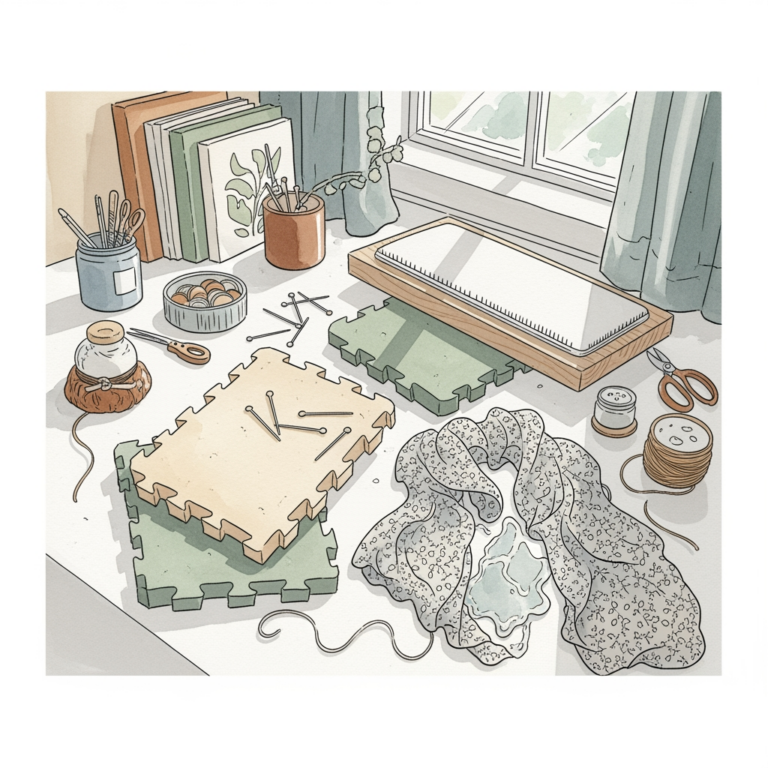
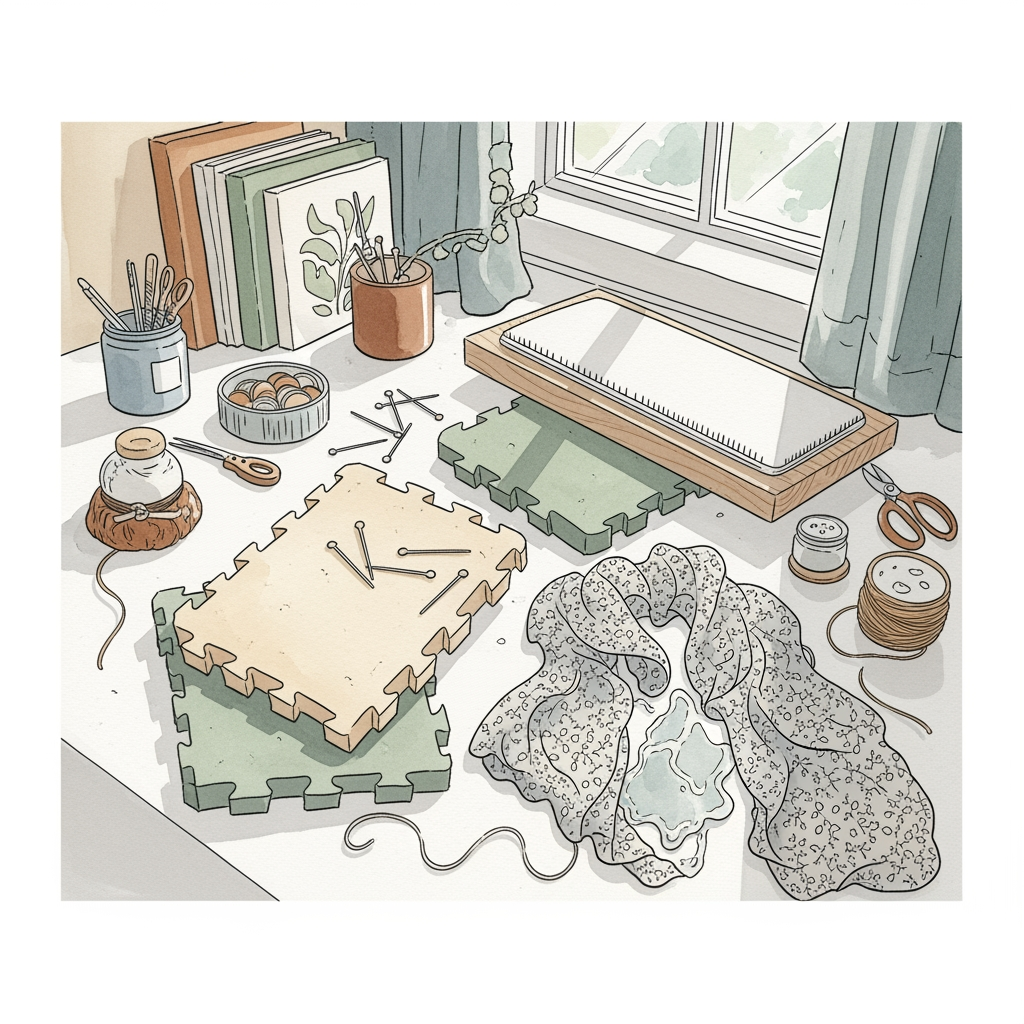
Lay the garment flat on blocking mats, pinning it to your desired measurements. Bottom line: Proper blocking corrects gauge inconsistencies and gives your stitches the room they need to bloom.
Essential Tips for Storing Your Wool Garments
Storing wool requires vigilance, as those small, hungry moths are always looking for a snack. Always ensure your garments are completely clean before putting them away for the season, as moths are attracted to human skin oils and food residue.
Use breathable storage containers, like cotton bags or acid-free boxes, rather than plastic bins that trap moisture. Adding cedar blocks or lavender sachets provides a natural, pleasant-smelling deterrent against pests.
Periodically check your stored items to ensure no damage has occurred. Bottom line: Clean, dry, and breathable storage is the only way to ensure your hard work survives until next winter.
Taking care of your hand-knits is an extension of the creative process itself, ensuring that your time and effort endure. By choosing the right wash and practicing careful storage, you protect the integrity of the fibers you chose so thoughtfully. Remember that your garments are living, breathing things that respond to how you treat them. Enjoy the process of maintaining your knitwear as much as you enjoyed the process of making it.