6 Best Wool Wash Soaps For Fiber Maintenance
Protect your knits with our top 6 wool wash soaps. Learn how gentle, lanolin-rich formulas preserve fiber integrity and keep your favorite garments lasting.
Investing hours into a hand-knit garment means you deserve a cleaning routine that preserves your hard work rather than undoing it. Using standard laundry detergents can strip natural oils, felt delicate fibers, and ruin the drape you spent weeks achieving. The following guide explores the best wool washes designed to maintain the structural integrity and softness of your favorite knits. Choosing the right product is the final, crucial step in ensuring your projects last for generations.
Eucalan Delicate Wash: Best for Gentle Cleaning
Eucalan is a staple in my knitting bag because it relies on essential oils rather than harsh chemicals. It is a no-rinse formula, which minimizes the amount of handling your wet, heavy woolens endure during the blocking process.
When you are working with delicate lace shawls or heirloom-quality alpaca, the less agitation, the better. Eucalan’s pH-neutral formula ensures that the fibers don’t swell or become brittle after a soak.
The downside is that it doesn’t offer the heavy-duty cleaning power required for heavily soiled, vintage, or thrifted yarns. For daily maintenance of a beloved sweater, however, it remains the gold standard for simplicity.
Soak Wash: Best No-Rinse Formula for Woolens
Soak Wash revolutionized the way I block finished garments by focusing on a quick, efficient soak-and-squeeze method. It is incredibly effective at removing dust and skin oils while leaving behind a very faint, pleasant scent.
Because it is a no-rinse solution, you save significant time and prevent the potential for accidental felting caused by excessive handling. It is my go-to choice for blocking colorwork projects, as it is generally very safe for dyed yarns that might otherwise bleed.
Keep in mind that if you are sensitive to fragrances, they offer a scentless version that is equally effective. It is a fantastic, modern choice for the knitter who wants a quick turnaround between finishing a project and wearing it.
Kookaburra Wool Wash: Best for Natural Lanolin


Kookaburra stands out because it contains natural tea tree oil and lanolin to condition the fiber as it cleans. This is particularly useful if you are working with wool that has become slightly dry or scratchy over time.
Lanolin is the natural wax found in sheep’s wool, and replenishing it can help restore the water-repellent properties of a hand-knit hat or mitten. It is essentially a spa treatment for your yarn.
However, be aware that the tea tree scent is quite distinct and may linger on the finished item. If you prefer your knitwear to be scent-neutral, you might want to look elsewhere, but for pure fiber health, it is hard to beat.
The Laundress Wool & Cashmere: Best for Luxury
If you have invested in high-end, luxury fibers like cashmere, silk-blends, or angora, this detergent provides a more sophisticated clean. It is designed to be gentle on the natural protein structures of luxury animal fibers.
It is a rinse-required formula, which means you must be careful during the rinse cycle to avoid agitation. I recommend this for garments that are worn against the skin, as it feels particularly soft and refined after drying.
The price point is higher, so I reserve this for my most precious, labor-intensive projects. It is an investment in the longevity of your most expensive hand-knits.
Orvus Paste: Best Heavy-Duty Fiber Cleanser
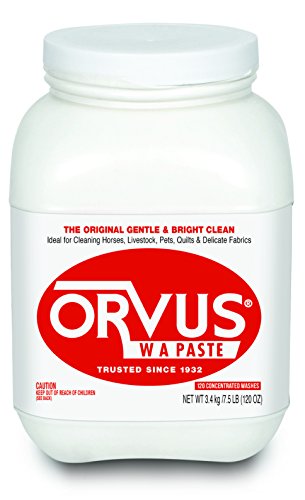
Orvus Paste is the secret weapon of many long-time fiber artists who deal with raw, dirty, or heavily soiled wool. It is a highly concentrated, neutral synthetic detergent that cuts through grease and grime with ease.
You only need a tiny amount, as it is incredibly potent; using too much can make the rinsing process a nightmare. It is not a conditioner, so it won’t add softness, but it is the best tool for a deep, restorative clean.
This is not for your everyday wash, but rather for the "reset" your woolens might need after a season of heavy use. Always use it with caution and ensure you rinse until the water runs completely clear.
Unicorn Fibre Wash: Best for Raw Wool Fleeces
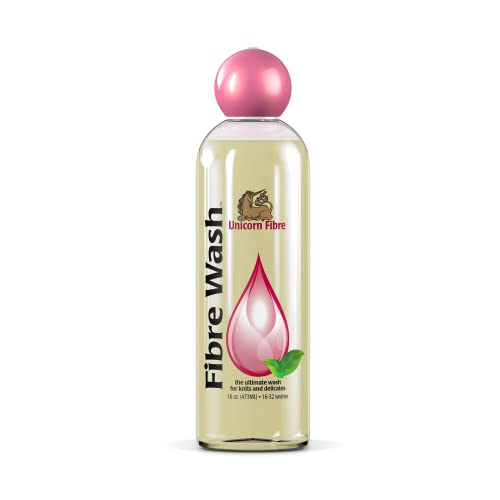
Unicorn Fibre Wash is a powerhouse for those of us who process raw fleeces or work with hand-spun yarns that need a thorough cleaning. It effectively removes vegetable matter, dirt, and excess lanolin without damaging the fiber’s crimp or elasticity.
It is formulated to be highly efficient, which is vital when you are washing large quantities of fiber. It doesn’t leave a residue, ensuring that your yarn remains "lofty" and ready for its next life as a garment.
If you are a spinner or a dyer, this is an essential part of your workflow. It maintains the integrity of the fiber while ensuring it is perfectly prepped for whatever project comes next.
Why Choosing the Right Wool Wash Matters Today
Many knitters mistakenly believe that "gentle" laundry detergent is sufficient for wool, but standard products often contain enzymes that eat away at animal proteins. Over time, this causes your hand-knits to lose their elasticity and structural shape.
Choosing the right wash is about protecting the "memory" of the yarn. If you’ve spent months perfecting your gauge, you don’t want a detergent to cause the fiber to stretch out or shrink unexpectedly.
Furthermore, proper maintenance prevents the buildup of bacteria and skin oils that attract moths. A clean garment is a protected garment, making a good wash an essential part of your long-term storage strategy.
Understanding pH Levels in Fiber Care Products
Wool and cashmere are protein fibers, which means they are sensitive to the pH levels of the products we use. A high-pH (alkaline) environment can cause the scales on the wool fiber to open, leading to felting and matting.
Most dedicated wool washes are pH-neutral, which keeps the fiber cuticle smooth and intact. This smoothness is what makes wool feel soft against your skin rather than itchy or scratchy.
Always check the label to ensure your chosen wash is designed for protein fibers. Using a product intended for cotton or synthetics can fundamentally alter the hand and drape of your wool project.
Best Practices for Blocking Your Finished Knits
Blocking is the process of setting the final dimensions of your garment using moisture and gentle shaping. I always start by filling a basin with lukewarm water and a small amount of wash, letting the piece soak for about 15-20 minutes.
Never wring or twist your wet knits, as this can break the fibers and distort the stitches. Instead, gently press the water out against the side of the basin or lay it flat on a towel and roll it up like a burrito.
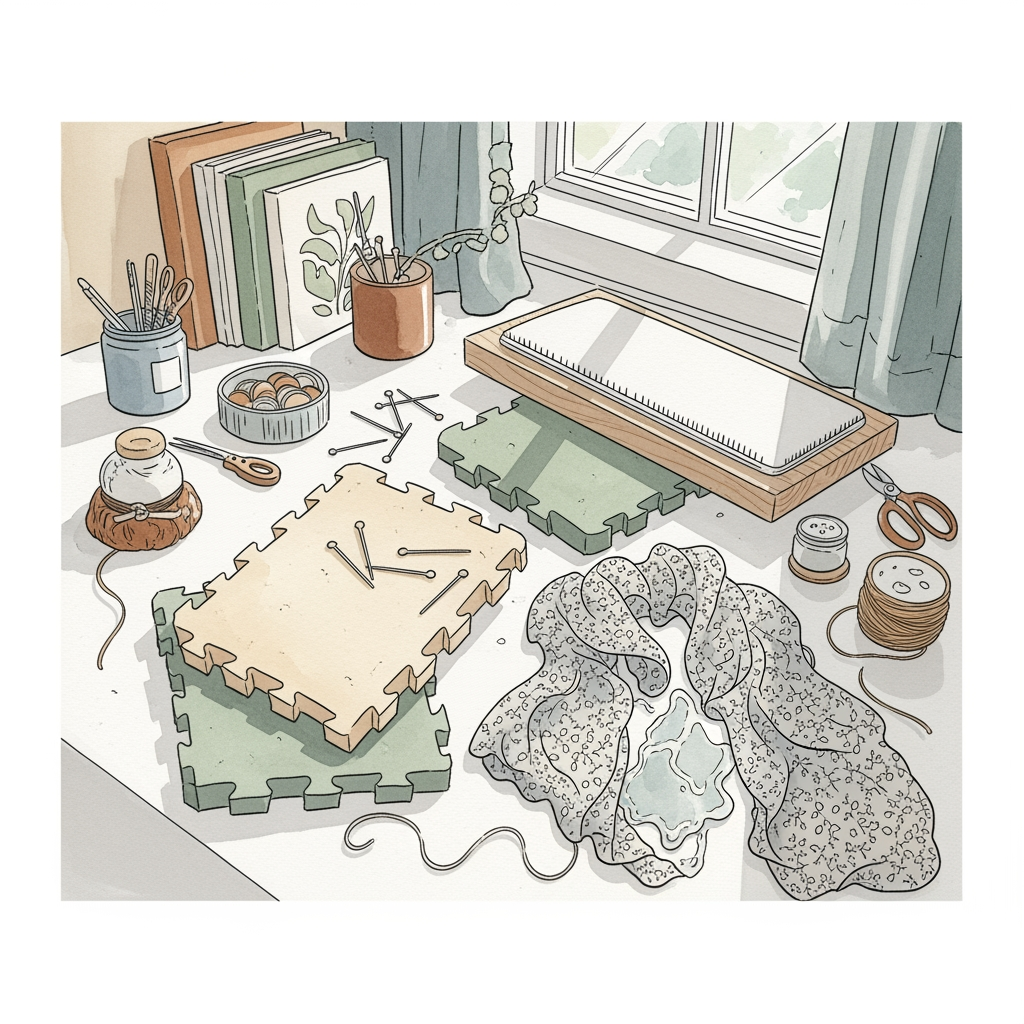
Once the excess moisture is removed, lay your piece flat on a blocking mat. Use pins to gently guide the edges into the correct shape, but avoid aggressive stretching, which can cause the fabric to "puddle" or lose its stitch definition.
How to Properly Rinse and Dry Delicate Woolens
If you are using a wash that requires rinsing, ensure the rinse water is the same temperature as the wash water. Drastic changes in temperature can shock the fiber and lead to immediate, irreversible felting.
When drying, keep your garment away from direct heat sources like radiators or intense sunlight. Wool prefers to dry slowly and naturally, which preserves the natural oils and keeps the fiber supple.
Finally, always dry your knits flat on a mesh drying rack if possible. This allows air to circulate underneath the garment, preventing musty smells and ensuring a uniform drying time.
Your hand-knits are more than just clothing; they are a testament to your patience, skill, and creative vision. By selecting a high-quality wool wash and following a careful, gentle cleaning routine, you ensure that every stitch remains as beautiful as the day you cast off. Treat your fibers with the respect they deserve, and they will keep you warm for years to come. Happy knitting, and may your blocking always be perfectly precise.