6 Best Fabric Refreshers For Finished Hand Knits
Keep your hand knits fresh with our top six fabric refreshers. Discover gentle, effective sprays that remove odors while preserving delicate fiber integrity.
After spending dozens of hours crafting a sweater, the last thing you want is for it to lose its shape or freshness after just a few wears. Many knitters fear that washing their handiwork too often will lead to premature pilling or unwanted felting. Fortunately, there are specialized products designed to clean and revitalize your knits without the need for a full, aggressive wash cycle. Here are the best options to keep your fiber projects looking pristine for years to come.
Eucalan Delicate Wash: Best for Wool and Cashmere


Eucalan is a staple in my knitting bag because it’s a no-rinse formula that actually conditions the fibers while it cleans. It contains lanolin, which is the natural oil found in sheep’s wool; this helps replace the oils stripped away during the spinning and dyeing process.
If you are working with high-end cashmere or a rustic, untreated wool, this is your best friend. It helps maintain the "loft" of the yarn, keeping your stitches looking plump and well-defined rather than flat or tired.
The trade-off is the scent profile, which can be quite potent if you are sensitive to fragrance. Stick to the unscented version if you are prone to headaches, as the eucalyptus or lavender options linger long after the garment is dry.
Soak Wash: Best No-Rinse Option for Hand Knits
Soak is the gold standard for those who want a quick, effective refresh without the hassle of rinsing out suds. It’s incredibly gentle and works beautifully on both animal fibers and plant-based yarns like cotton or linen.
I recommend this for blocking delicate lace shawls where you want the stitches to open up fully without worrying about soap residue left in the fibers. Because it is pH-balanced, it won’t strip the natural properties of your yarn, keeping your hand-dyed colors vibrant.
Just remember that "no-rinse" doesn’t mean you can skip the soaking process itself. You must still submerge the garment and let the water penetrate the fibers, or you risk uneven tension when the piece dries.
The Laundress Wool & Cashmere Spray: Best Refresher
Sometimes you don’t need a full wash; you just need to neutralize the scent of a long day of wearing. This spray is specifically formulated to be safe on delicate proteins, meaning it won’t break down the fibers like standard household fabric sprays might.
It’s perfect for those sweaters you wear over a base layer that don’t technically need a bath but could use a little pick-me-up. I keep a bottle near my closet for my favorite wool cardigans that tend to pick up cooking odors or environmental smells.
Avoid spraying it directly onto the fabric from too close a distance. A light, fine mist from six inches away is all you need to get the benefit without dampening the wool.
Mrs. Meyer’s Fabric Refresher: Best Plant-Based
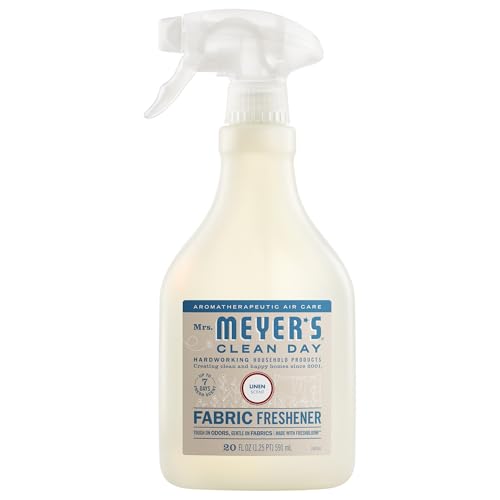
If you are looking for a more accessible, plant-derived option, Mrs. Meyer’s offers a great alternative to heavy chemical sprays. It’s effective at removing odors, though it lacks the fiber-conditioning properties of products specifically made for wool.
This is best suited for sturdier projects, such as a heavy wool coat or a cotton-blend market bag that sees a lot of daily use. It’s not my first choice for heirloom-quality lace or delicate mohair, as the ingredients aren’t as strictly tailored to fiber health.
Use this when you want a quick refresh on items that are meant to be workhorses. It’s a practical, budget-friendly solution for the garments that live in your everyday rotation.
Heritage Park Fine Fabric Wash: Best for Delicates

Heritage Park is a professional-grade detergent that is exceptionally good at removing stains while remaining gentle on protein fibers. If you’ve accidentally spilled tea on a light-colored wool sweater, this is the product you want to reach for.
It lacks enzymes that can sometimes break down delicate fibers over time, which makes it safer for long-term use than standard detergents. It’s a bit of an investment, but for a sweater that took you three months to knit, it is worth the cost.
Always check the concentration levels before you pour; a little goes a very long way. Over-soaping is a common mistake that leaves fibers feeling "squeaky" or stiff once they dry.
Le Labo Santal 33 Fabric Spray: Best for Scent

Let’s be honest: sometimes we want our hand-knitted garments to smell as luxurious as they look. This spray is a splurge, but it provides a sophisticated, subtle scent that elevates the entire experience of wearing your knits.
It’s not a cleaner, so don’t use it to treat stains or heavy perspiration. Think of it as the finishing touch for a special-occasion sweater that you want to smell as good as it feels.
- Pro-tip: Spray it on the inside of the garment or the hem rather than the front, where it might contact your skin. This ensures the scent lasts longer without causing any potential irritation.
How to Safely Refresh Knits Between Full Washings
The key to extending the life of your knits is to wash them less often and refresh them more strategically. Wool is naturally anti-microbial, so it often just needs a bit of air to lose its odors.
Hang your garment in a well-ventilated area, preferably outside in the shade or near an open window, for a few hours. This simple act of airing out the fibers does more for your knitwear than any product ever could.
If you notice minor pilling, use a fabric shaver or a sweater stone before you spray or wash. Removing the pills makes the entire garment look refreshed and prevents friction that can lead to further wear.
Why Proper Fiber Care Extends Your Garment Life
Every time you wash a garment, you are subjecting the fibers to stress, agitation, and water weight. By using specialized refreshers, you minimize these risks and keep the yarn’s structural integrity intact.
Proper care prevents the "felted" look that happens when wool fibers lock together due to friction and heat. When you treat your yarn with respect, you are protecting the thousands of stitches you put into the project.
Remember that the goal is to maintain the fiber’s natural elasticity. If your sweater feels stiff or loses its bounce, you are likely using too much detergent or not rinsing well enough.
Avoiding Common Mistakes When Steaming Hand Knits
Steaming is a great way to "reset" the shape of a garment, but it is also the easiest way to ruin a project if you aren’t careful. Never press the iron directly onto the wool, as this can crush the fibers and create a permanent, shiny "dead" spot.
Always hold the steamer a few inches away and let the steam permeate the fabric. If you are working with superwash wool, be especially cautious, as it is more prone to stretching out of shape when wet or steamed.
- Avoid over-steaming: A little bit of moisture is enough to relax the stitches. If the fabric becomes soaking wet, you’ve gone too far and risk distorting your gauge.
Essential Tools for Maintaining Your Woolens
To keep your hand knits in top shape, you need a small toolkit beyond just your wash. A high-quality sweater comb or stone is essential for managing pilling on natural fibers.
A dedicated drying rack is non-negotiable, as you should never hang a wet wool sweater on a standard hanger. The weight of the water will stretch the shoulders and ruin the neckline of your hard work.
Finally, keep a lint roller or a soft-bristled garment brush on hand. Brushing your woolens after wearing them helps remove dust and debris, preventing it from working its way into the fibers and causing damage over time.
Maintaining your hand-knitted wardrobe is just as important as the knitting process itself. By choosing the right refreshers and treating your fibers with care, you ensure that your favorite pieces remain soft, vibrant, and perfectly shaped for years. Remember that fiber arts are a long game, and the effort you put into maintenance pays off every time you pull on a sweater you made yourself. Happy knitting, and may your stitches always be even and your wool always fresh.