6 Best Acid Free Fixatives For Finished Artwork To Use
Preserve your masterpieces with our expert guide to the 6 best acid-free fixatives for finished artwork. Read our reviews and choose the right spray today.
Finished fiber art projects, such as mixed-media wall hangings or hand-dyed textile canvases, require careful preservation to maintain their integrity over time. Acid-free fixatives prevent yellowing and degradation, ensuring that delicate dyes and fibers stay true to their original state. Choosing the right spray depends heavily on the fiber composition and the desired texture of the final piece. Utilizing these professional-grade products protects hours of intricate work from environmental factors like dust, humidity, and UV exposure.
Krylon Workable Fixatif: Best for Multi-Media Use
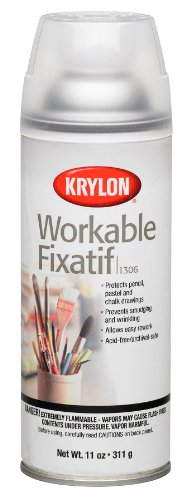

This spray functions as a versatile tool for pieces that incorporate both fibers and other materials like paint or charcoal. It allows for continued work on a piece even after application, making it a go-to for artists who layer materials.
Because it remains “workable,” the finish is not as permanent or rigid as other options. It is ideal for testing layers before committing to a final, heavy-duty sealant.
If the project involves mixed-media elements alongside natural fibers like wool or linen, this provides a light, protective barrier. However, avoid using it on projects that will experience high physical friction, such as a tapestry meant to be touched frequently.
Grumbacher Final Fixative: Best for a Matte Finish
When a fiber project requires a low-sheen, professional look, this fixative delivers a consistent matte appearance. It effectively locks in pigments without creating the artificial, plastic-like gloss that can ruin the organic aesthetic of natural yarns.
The primary benefit lies in its ability to dry clear and remain invisible on the surface of fibers. This is crucial when working with matte wools or raw cotton where a shiny residue would look out of place.
It is best suited for wall-mounted art that will not be handled regularly. Use it sparingly to ensure the fibers maintain their natural drape and breathability rather than becoming stiff or clumped.
Winsor & Newton Fixative: Best Archival Quality
Archival quality is the gold standard for pieces intended to last for generations, such as an heirloom wall hanging or an intricate art piece. This formula is designed specifically to prevent long-term discoloration and chemical breakdown of delicate materials.
The application is uniform and dries quickly, which is a major advantage for complex, multi-textured surfaces. By choosing an archival-rated product, the risk of acid damage—which causes fibers to become brittle over time—is significantly reduced.
This is the most reliable choice for expensive, hand-dyed yarns where colorfastness is a concern. While it carries a higher price point, the long-term protection it offers is an essential investment for high-end commissions.
SpectraFix Degas Fixative: Best Non-Toxic Option

Many traditional fixatives rely on harsh aerosols that can irritate the lungs and persist in the air of a workspace. This non-toxic, casein-based alternative offers a safer experience for those who work in home studios or smaller spaces without professional ventilation.
Because it is made from natural ingredients, it does not carry the chemical odors associated with heavy-duty spray lacquers. It acts by creating a fine, breathable protein barrier that protects the fibers without aggressive synthetic binding.
It is particularly effective on sensitive, plant-based fibers like bamboo or hemp that might react poorly to chemical solvents. Expect a slight adjustment period to master the application, as it behaves differently than traditional alcohol-based sprays.
Lascaux Fine Art Fixative: Best for Delicate Work
Precision is the hallmark of this fixative, which is engineered to be as unobtrusive as possible. It is perfect for fine needlepoint or delicate embroidery where the goal is to protect the work without changing the tactile feel of the fibers.
The spray pattern is exceptionally fine, ensuring that the fixative lands as a mist rather than a heavy layer. This prevents “spotting” on light-colored yarns, a common issue with cheaper, uneven sprays.
If the project involves metallic threads or intricate, raised stitches, this is the preferred choice to ensure every fiber is protected without matting down the texture. It strikes the ideal balance between structural integrity and the soft hand of the original material.
Blair Matte Spray Fixative: Most Durable Protection
For projects that require a more robust shield against the elements, Blair provides a reliable, heavy-duty layer. It is less about delicacy and more about long-term survival in environments that might be exposed to high humidity or light dust.
The finish is remarkably durable, making it suitable for pieces that might need to withstand accidental bumps or cleaning efforts. However, it can slightly alter the “hand” or feel of the fiber, making it feel somewhat more rigid.
Reserve this option for heavy-duty tapestries or sculptural fiber work where the structure needs to be maintained. It is not recommended for soft, wearable, or delicate decorative pieces where maintaining the natural softness of the fiber is the priority.
How to Choose the Right Fixative for Your Project
Selecting the correct fixative requires an understanding of how your chosen fibers interact with chemical agents. Start by identifying the fiber content: synthetic yarns like acrylic are generally more resilient, whereas natural fibers like wool and silk are more porous and prone to absorbing chemicals.
Consider the intended display environment as well. A piece hanging in a high-traffic hallway requires a more durable, protective sealant than one displayed in a quiet, climate-controlled study.
- For soft, wearable textiles: Avoid fixatives entirely, as they are intended for static art.
- For display-only fiber art: Choose based on the finish (matte vs. gloss) and the required level of archival protection.
- For mixed-media pieces: Prioritize workable fixatives to allow for layering and final adjustments.
Always test a small, hidden section of the fiber before spraying the entire project. This prevents irreversible damage from a product that might cause staining or unexpected texture changes.
Workable vs. Final Fixatives: Which Do You Need?
The distinction between these two categories is often misunderstood by beginners, leading to poor results. A workable fixative acts as a light grip, meant to hold fibers in place while the artist continues to add layers or adjust tension.
In contrast, a final fixative is a terminal product designed to lock the work permanently. Once a final fixative is applied, attempting to add more materials often leads to uneven patches or a gummy, unattractive surface.
- Choose Workable if: You are currently in the construction phase or working with mixed media that may need additions.
- Choose Final if: The project is completed, blocked, and ready to be mounted or displayed.
Never use a workable fixative as a substitute for a final seal. It lacks the UV blockers and chemical stabilizers necessary to protect the piece from the long-term effects of aging.
Safely Applying Spray Fixative: A Step-by-Step
Safety should always come first when working with aerosols. Conduct all spraying outdoors or in a space with powerful, dedicated exhaust ventilation to avoid inhaling vapors.
Lay the fiber project flat on a clean, acid-free surface, ensuring the piece is completely dry and free of debris. If the fibers are loose, use weights at the corners to prevent the force of the spray from shifting the design.
- Shake the can for at least two minutes to ensure the ingredients are fully mixed.
- Hold the nozzle 10–12 inches away from the work, moving in long, sweeping, horizontal motions.
- Apply thin, light coats rather than one thick application; excessive liquid can cause fibers to mat or bleed dyes.
- Allow the piece to dry completely in a dust-free area between coats, typically waiting 15–20 minutes.
Consistency is key to a professional finish. Avoid lingering on any single spot, as pooling fixative will create dark patches or hardened, crunchy sections of fiber that cannot be reversed.
Do You Need to Seal Your Finished Fiber Art?
Not every fiber project requires a fixative. In fact, many traditional knitting and weaving projects, such as blankets or sweaters, are better left untreated to allow the fibers to breathe and maintain their natural, organic movement.
Sealing is primarily necessary for art pieces that rely on delicate fibers, unstable dyes, or mixed-media applications that need structural support. If the goal is purely to keep dust away, regular, gentle maintenance with a soft brush or a light vacuum attachment is often superior to a chemical coating.
Before reaching for the spray can, consider if the aesthetic change or the hardening of the fibers is truly worth the protection. If the project is meant to be functional, avoid fixatives entirely. If the project is a decorative art piece, carefully weigh the need for longevity against the beauty of the raw fiber.
Choosing the right fixative is a final, vital step in honoring the time and technical skill invested in a fiber art project. By carefully assessing the fiber type, the environment, and the desired level of permanency, you ensure the work remains a testament to your craft for years to come.