7 Best Wool Wash Soaps For Delicate Fibers
Keep your knitwear soft and durable with our top 7 wool wash picks. Discover gentle, effective cleansers designed to protect delicate fibers from damage.
After spending two decades watching knitters pour hours of love into intricate lace shawls and sturdy cabled sweaters, I have learned that the finish is just as important as the cast-on. The life of your hand-knits depends entirely on how you treat the fibers during that crucial final wash. Using the wrong soap can strip essential oils or leave behind harsh residues that compromise the drape and longevity of your work. Here is my curated guide to the best wool washes to keep your projects looking heirloom-quality for years to come.
Eucalan Delicate Wash: Best Overall for Wool Care


Eucalan is the gold standard for a reason: it is pH-neutral and contains lanolin, which conditions the fiber while you clean. It is a no-rinse formula, which minimizes the amount of handling your delicate knits endure during the blocking process.
For a sweater that has just come off the needles, the less you agitate the wool, the better. Agitation is what leads to unwanted felting, especially with non-superwash wools that are prone to shrinking. By using a no-rinse product, you keep the fiber stable and reduce the risk of stretching.
It is an excellent choice for everything from rustic Highland wools to delicate lace-weight mohair. My bottom line? If you only buy one bottle for your stash, make it this one.
Soak Wash: Best No-Rinse Option for Knitwear
Soak is incredibly popular for a reason—it is gentle, effective, and comes in a variety of delightful scents that aren’t overpowering. It’s designed to be used in a basin, making it perfect for those who want to avoid the "rinse-and-repeat" cycle that can stress out fragile stitches.
The beauty of Soak lies in its simplicity. You fill your basin, add a capful, submerge your project, and walk away for fifteen minutes. It’s a low-effort approach that yields high-quality results, especially for those who knit large-format items like blankets.
One thing to keep in mind: because it is so gentle, it might struggle with heavy-duty dirt or deep stains. It is best suited for the regular maintenance of your hand-knits rather than heavy-duty restoration work.
Kookaburra Wash: Best for Gentle Fiber Cleaning

Kookaburra is a tea-tree oil-based soap that excels at cleaning and conditioning without the need for harsh chemicals. It is particularly effective for those who are sensitive to synthetic fragrances or who prefer a more natural approach to fiber care.
Tea tree oil has natural antiseptic and deodorizing properties, which is fantastic for items like socks or hats that see a lot of wear. It helps keep your wool feeling fresh and resilient, preventing that "flat" look that often happens after a few wash cycles.
Because it is a concentrate, a little goes a long way. Be careful not to overuse it, as you don’t need a mountain of bubbles to get a clean result.
The Laundress Wool & Cashmere: Premium Care Choice
When you have invested in high-end fiber like cashmere, silk-wool blends, or angora, you want a product that feels as luxurious as the yarn itself. The Laundress offers a sophisticated formula that is specifically tuned to the protein structure of animal fibers.
This wash is excellent at maintaining the "loft" of your yarn. If you have spent weeks working on a complex cable pattern, you want the stitch definition to remain crisp and the fiber to stay soft against your skin.
It is a more expensive option, so I recommend reserving this for your most precious, heirloom-quality projects. For your everyday acrylic-blend socks, you might want to stick to something more economical.
Unicorn Beyond Clean: Best for Natural Fibers

Unicorn Beyond Clean is a powerhouse for those who process their own wool or work extensively with raw, unspun fibers. It is designed to be highly effective at lifting dirt and debris from the fiber without stripping the natural lanolin that makes wool so magical.
If you are a spinner or someone who works with breed-specific, undyed yarns, this is your go-to. It cleans deeply while respecting the integrity of the fiber, ensuring that the natural characteristics of the wool remain intact.
It is a bit more industrial in its approach, but it is incredibly effective for deep cleaning. Use it when your project has been in storage for a long time or has picked up significant dust.
Outback Gold Wool Wash: Best for Lanolin Care

Lanolin is the secret ingredient that keeps wool water-resistant and soft. Over time, frequent washing can strip this natural wax away, leaving your wool feeling dry, brittle, or "thirsty."
Outback Gold is specifically formulated to replenish lanolin while you wash. If you knit woolen-spun yarns that rely on that natural "bounce" and loft, this wash will help maintain those qualities.
It is particularly useful for wool diaper covers or heavy winter sweaters that need to withstand the elements. By replacing the lanolin, you ensure the wool stays supple and maintains its natural ability to regulate temperature.
Eucalan Lavender Scent: Best for Moth Repellent

Lavender is nature’s way of keeping pests away from your precious stash. Eucalan’s lavender-scented wash provides a gentle, effective clean while leaving behind a faint, natural scent that deters moths and carpet beetles.
Many knitters make the mistake of using harsh chemical mothballs, which can be toxic and leave a lingering, unpleasant odor. Using a scented wash is a much safer, more pleasant alternative for your closet.
Just remember that scent is personal. If you are sensitive to fragrances, you might prefer the unscented version, but for those who love the classic smell of a clean, protected sweater, this is a wonderful choice.
Why You Should Never Use Regular Laundry Detergent
Regular laundry detergent is formulated to break down proteins and stains using enzymes that are often too aggressive for wool. Wool is essentially hair; when you use a detergent designed for cotton or synthetics, you are effectively "digesting" the fiber.
These detergents often have a high pH level, which can cause the scales on the wool fiber to open up and interlock. Once those scales interlock, your sweater will shrink and felt, turning your beautiful hand-knit into a dense, stiff piece of fabric.
Furthermore, regular detergents often contain optical brighteners and perfumes that can leave a residue on your yarn. This residue can attract dirt over time and dull the natural luster of your wool. Always stick to products specifically labeled for wool or delicate fibers.
How to Properly Soak and Block Your Hand-Knits
Blocking is the final step that transforms a "home-made" project into a professional-looking garment. Start by filling a basin with cool water and your chosen wool wash, then gently submerge your project, pressing it down to ensure the water penetrates the fibers.
Let it soak for 15 to 20 minutes, then gently lift it out and squeeze—never wring—the excess water. I like to lay the wet item flat on a thick, clean towel and roll it up like a burrito to absorb the bulk of the moisture.
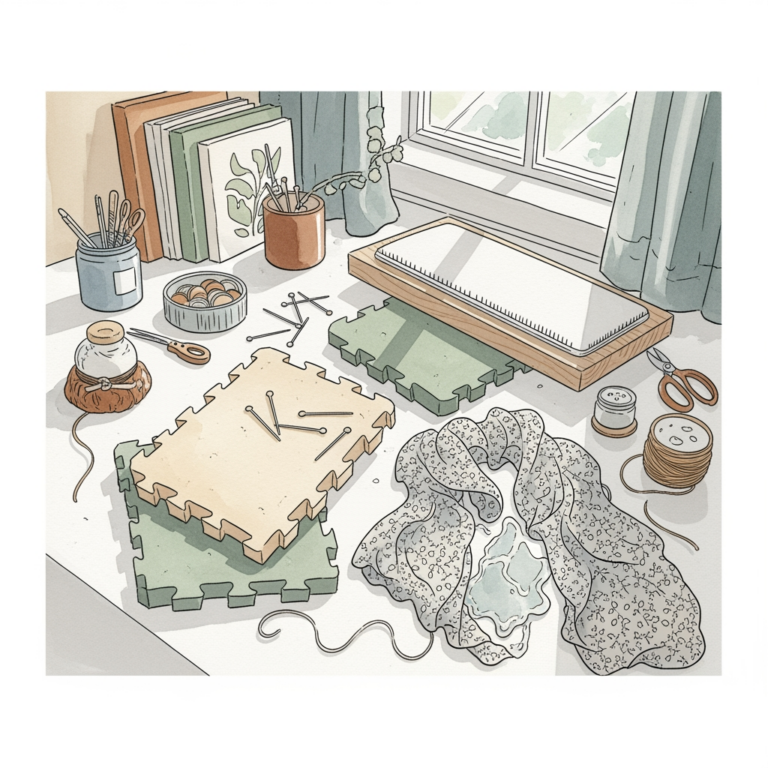
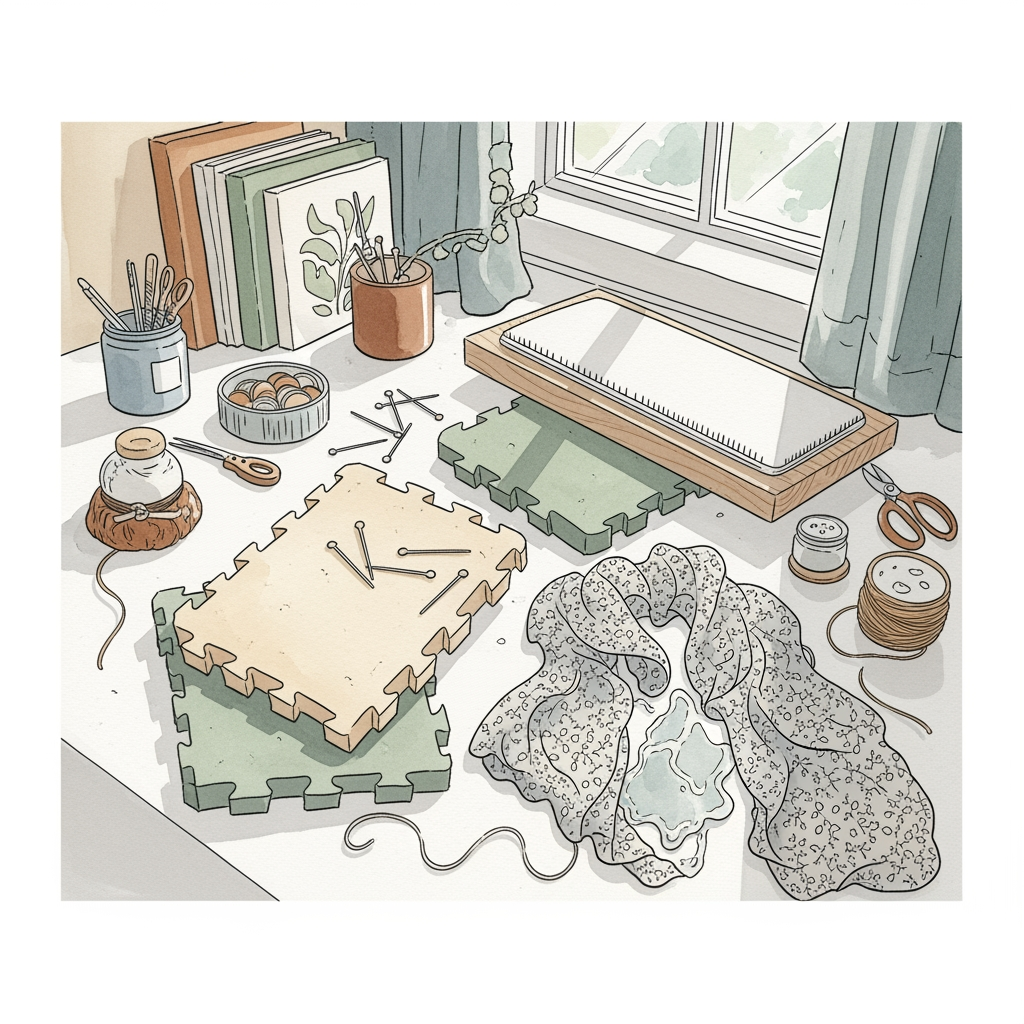
Finally, lay the piece out on a blocking mat, gently pinning it to the correct dimensions if necessary. Use rust-proof pins and ensure the piece is supported by the mat so it can dry evenly without stretching out of shape.
Essential Tips for Storing Your Delicate Woolens
Storage is where most knitters lose their projects to moths or misshapen shoulders. Never hang your heavy wool sweaters on hangers, as the weight will cause the shoulders to stretch and the neckline to sag over time.
Instead, fold your knits neatly and store them in breathable containers, such as cotton bags or acid-free boxes. Avoid plastic bins, which can trap moisture and create a breeding ground for mildew or pests.
If you are storing items for the off-season, make sure they are freshly washed and completely dry. Moths are attracted to the oils and skin cells left behind on worn garments, so a clean sweater is a protected sweater.
Caring for your hand-knits is a labor of love that extends the life of your hard work. By choosing the right wash and practicing thoughtful blocking and storage, you ensure your pieces remain soft, vibrant, and ready to wear for years. Remember that fiber arts are a journey, and taking care of your materials is the best way to honor the time you’ve spent creating. Happy knitting, and may your stitches always stay soft and your sweaters perfectly blocked.