
6 Best Liquid Detergents For Hand Washing Delicate Knits
Keep your favorite sweaters soft and clean with our guide to the 6 best liquid detergents for hand washing delicate knits. Find the perfect wash for your gear.
Hand-knitted garments represent hours of meticulous labor, tension management, and structural planning. Treating a bespoke wool sweater or a delicate lace shawl with the wrong detergent can irreversibly felt the fibers or destroy a carefully crafted stitch pattern. Selecting the right wash is not just about cleanliness; it is about preserving the drape and longevity of the fiber. The following guide explores the best liquid detergents designed to maintain the integrity of handcrafted textiles.
Eucalan No Rinse Wash: Best for Natural Fibers


Eucalan is a staple in the knitting community for a reason: it contains lanolin, a natural oil found in sheep’s wool that keeps fibers supple and conditioned. This wash is particularly effective for high-twist yarns that might otherwise become brittle after several washes.
Because it is a no-rinse formula, it eliminates the need to agitate the garment under a faucet. Excessive movement is the primary cause of felting in protein-based fibers, so minimizing handling preserves the original gauge of the project.
For those working with wool or alpaca, the lanolin content acts as a natural conditioner. It helps the yarn retain its loft and prevents the static buildup often seen in dryer climates.
Soak Wash: Best Modern No-Rinse Detergent
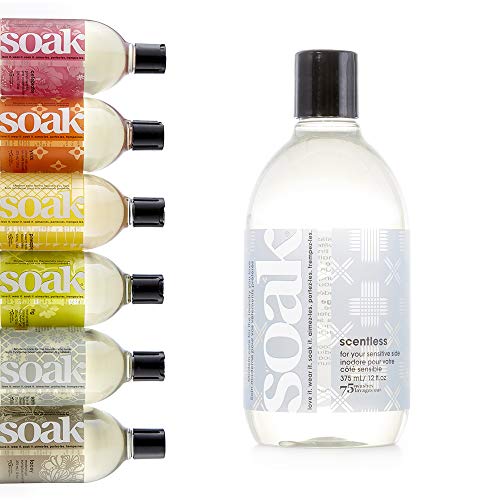
Soak wash leans into the contemporary knitter’s desire for efficiency and convenience. It is engineered to pull dirt and oils away from fibers and hold them in suspension, meaning the soapy water simply drains away without requiring a rinsing cycle.
This product is highly versatile, performing just as well on synthetic blends and cotton as it does on wool. It is an excellent choice if a project involves colorwork, as the formula is designed to prevent dye bleed between contrasting yarn plies.
The light, often botanical scents are a draw, but for those with sensitivities, the unscented version is the gold standard. It provides a neutral base that does not compete with the natural scent of the wool.
The Laundress Wool Shampoo: A Luxury Splurge

When an heirloom project calls for the highest level of care, premium detergents offer specialized enzymatic formulas. This wool shampoo is crafted to remove heavy oils and perspiration while maintaining the pH balance of delicate animal fibers.
While the price point is higher, the concentration means only a small amount is needed per basin. It is an investment in the longevity of high-end fibers like cashmere, mohair, or silk blends.
It is particularly useful for items that see heavy use, such as wool socks or gloves. The formula is potent enough to lift trapped dirt from deep within the twist of the yarn without stripping the natural oils that protect the fiber.
Woolite Delicates: Best Budget-Friendly Option

Woolite remains the most accessible detergent for knitters who need a reliable, widely available solution. It is formulated to be gentle on fabrics that might otherwise be damaged by the harsh surfactants found in standard laundry liquids.
While it lacks the specific lanolin conditioning found in specialized knitting washes, it effectively cleanses without aggressive chemicals. It is a solid choice for “workhorse” wools and acrylic blends where high-end conditioning is less of a priority.
It is essential to note that this is a rinsing formula. When using it, ensure all suds are removed to prevent residue from weighing down the stitches or attracting dust over time.
KnitIQ No Rinse Wash: Top Choice for Blocking
KnitIQ is specifically designed with the blocking process in mind. It balances effective cleaning with a formulation that helps “relax” the stitches, making them more receptive to shaping during the wet-blocking stage.
For lace knitters, this is a significant advantage. The way the wash interacts with the fiber allows for crisp, defined stitch edges once the pins are removed and the garment is dry.
It also works well with fibers that tend to be a bit stiff or scratchy. By gently softening the yarn, it improves the tactile experience of wearing the finished piece against the skin.
Twister Sisters Care: Best from a Small Brand
Small-batch products often prioritize the chemistry of fiber health over mass-market appeal. Twister Sisters Care offers a specialized approach that respects the artisanal nature of hand-knitting.
The brand focuses on preventing the “fuzzing” or pilling that can occur on the surface of fibers like merino or alpaca. By smoothing the microscopic scales of the wool, it keeps the garment looking fresh through multiple seasons of wear.
Supporting smaller makers often results in a deeper understanding of fiber needs. The formula is consistent, effective, and free from the heavy fragrances that can sometimes be found in generic brands.
Why You Can’t Use Regular Laundry Detergent
Standard laundry detergents are formulated to handle heavy soil and stains on durable fabrics like denim or cotton towels. They contain enzymes like protease, which are designed to break down protein-based stains—essentially, they are programmed to “eat” the very protein that makes up wool, silk, and alpaca.
These detergents also often have a high pH level, which causes the scales on a wool fiber to stand up and interlock. This is the mechanical definition of felting; once those scales lock together, the garment shrinks and loses its stitch definition forever.
Furthermore, standard detergents often include optical brighteners. These chemicals coat the fiber to reflect light, which can create a dull, waxy texture on hand-knit items and fundamentally alter the look of a beautiful, hand-dyed yarn.
Rinse vs. No-Rinse: Which Formula is Best?
No-rinse formulas are generally superior for delicate knits because they minimize the risk of mechanical damage. Every time a hand-knit garment is moved, squeezed, or agitated under a stream of water, the risk of stretching or felting increases.
Rinsing requires multiple cycles of filling and draining the basin. With a no-rinse formula, the knitter needs only to submerge the item, let it soak, and then gently press the water out before rolling it in a towel.
However, rinse-required detergents can be useful for items that have been heavily soiled. The extra water changes allow for a more thorough flushing of dirt, provided the knitter handles the garment with extreme caution during the transition between basins.
How to Hand Wash Knits Without Damaging Them
Never lift a heavy, wet garment directly out of the water. The weight of the water can cause the stitches to stretch beyond their intended shape, leading to a permanent increase in size or “sagging.”
Instead, use a basin to support the weight of the garment as it is lifted. Gently squeeze the suds out of the fabric without wringing or twisting, as wringing puts immense tension on the yarn and can snap the ply of a delicate thread.
For drying, lay the garment flat on a clean, absorbent towel and roll the towel up like a sleeping bag to absorb the excess moisture. Finally, move the garment to a blocking mat or a flat surface, shaping it to the dimensions specified in the pattern before letting it air dry away from direct heat or sunlight.
Caring for Different Fibers: Wool vs. Plant
The cleaning requirements for wool versus plant-based fibers like cotton, linen, or bamboo are vastly different. Wool is an animal hair and relies on natural oils; it needs to be washed less frequently and handled with minimal agitation to prevent felting.
Plant fibers are essentially cellulose. They do not felt, but they can stretch significantly when wet and are prone to losing their shape.
- Wool/Animal Fiber: Requires pH-neutral detergents, lanolin-based conditioners, and gentle, cool water.
- Plant/Cellulose: Can handle slightly warmer water and more vigorous soaking, but requires strict flat-drying to prevent sagging.
- Superwash Wool: While treated to be machine washable, it is still a protein fiber. It benefits from the same gentle, no-rinse care as untreated wool to maintain its elasticity over the long term.
Investing in a high-quality liquid detergent is the final, vital step in the knitting process. By matching the soap to the fiber and minimizing handling during the wash, the effort put into every purl and knit remains visible for years to come. Regardless of the specific choice made from this list, consistent, gentle care will ensure that every hand-knit garment becomes a lasting piece of one’s wardrobe.