6 Yarn Winders For Bulk Skeins To Simplify Stashing
Struggling with messy yarn? Discover our top 6 yarn winders for bulk skeins to simplify your stashing process. Upgrade your craft room and shop the best picks here.
Transitioning from hanks to cakes is a pivotal moment for any knitter seeking to organize a stash or speed up the winding process. While hand-winding provides a meditative start to a project, high-volume crafters require tools that can handle large skeins without compromising the integrity of the yarn. The right winder transforms a tangled mess into a neat, center-pull cake that rests perfectly on a tabletop. Selecting the appropriate hardware ensures that expensive fibers are protected from tension-related stretching or accidental knotting.
Stanwood 10-Ounce Winder: Best For Large Skeins


The Stanwood 10-ounce winder is widely recognized for its robust capacity and consistent performance. Designed for those who frequent indie dyers or purchase full-pound hanks, this winder handles significant yardage without forcing the user to stop and start repeatedly.
Its heavy-duty gears allow for a smooth, steady rotation that maintains even tension throughout the winding process. Because it manages 10 ounces of fiber with ease, it effectively prevents the yarn from slipping off the base of the cone during high-speed operations.
If you regularly work with heavy-weight wools or large batches of lace weight, this model is a top-tier choice. It eliminates the frustration of mid-skein pile-ups and provides a reliable center-pull cake every time.
Lacis Jumbo Yarn Ball Winder: A Sturdy Workhorse

The Lacis Jumbo winder is built for longevity, prioritizing structural integrity over lightweight portability. Its substantial frame and metal components provide the stability needed to wind slippery fibers like silk or bamboo blends without the unit walking across the table.
This model features a larger diameter core, which creates a substantial center hole. This design is particularly beneficial for those who like to store their yarn cakes on a spindle or pegboard for easy access during complex colorwork projects.
While it lacks the portability of smaller plastic units, its mechanical strength is unmatched for frequent use. It is a smart investment for the knitter who demands a tool that will not buckle under the weight of oversized yarn cakes.
Nancy’s Knit Knacks Winder: The Heirloom Choice
Nancy’s Knit Knacks products are frequently viewed as the gold standard for long-term durability. These winders utilize high-quality materials and precise engineering, often outlasting cheaper plastic alternatives by a decade or more.
The design focuses on ergonomic operation, reducing the wrist strain often associated with winding multiple skeins in a single sitting. For those who find standard hand-cranks difficult due to joint sensitivity or repetitive motion issues, the smooth internal mechanics here provide a clear advantage.
This is a premium piece of equipment that justifies its price through sheer longevity. It is the ideal choice for the dedicated fiber artist who views their equipment as a lifelong companion rather than a disposable convenience.
Lammy Yarns Ball Winder XL: A Solid Euro Option

The Lammy Yarns XL winder offers a streamlined, efficient design that is popular across European craft circles. It is exceptionally well-balanced, minimizing the vibrations that can cause cheaper plastic models to rattle or slide during use.
This winder excels at producing tightly wound, uniform cakes that remain stable while being pulled from the center. It is specifically designed to handle the varied diameters of European yarn brands, from fingering weight sock yarns to lofty, chunky-weight rovings.
If you are looking for a mid-range, high-performance tool, this unit balances cost and quality effectively. It is a dependable option that fills the gap between hobbyist-grade plastic winders and expensive, professional-grade machinery.
U-nitt Large Metal Winder: A Stanwood Alternative
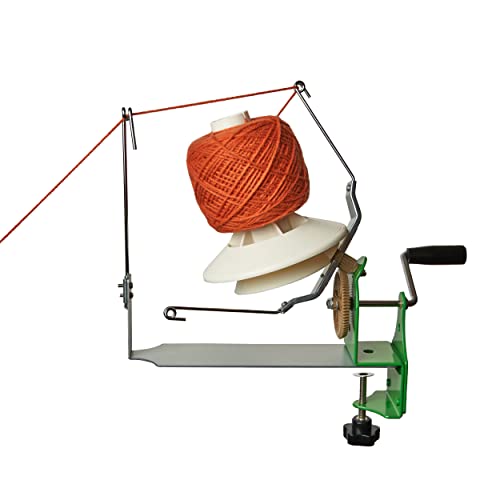
The U-nitt metal winder acts as a direct challenger to the Stanwood model, offering a similarly durable build with a slightly different aesthetic profile. Its metal construction ensures that the internal gears do not strip, a common failure point in entry-level plastic units.
The clamping mechanism is designed to fit onto a wide variety of table thicknesses, making it highly versatile for small crafting spaces. It maintains constant tension even when moving quickly, which is critical for preventing the uneven yarn distribution that can ruin a cake’s stability.
Choosing between this and other metal winders often comes down to availability and current pricing. It is a reliable, utilitarian piece of equipment that performs its task without unnecessary frills or complications.
KnitPicks Ball Winder: Ideal For Smaller Stashes
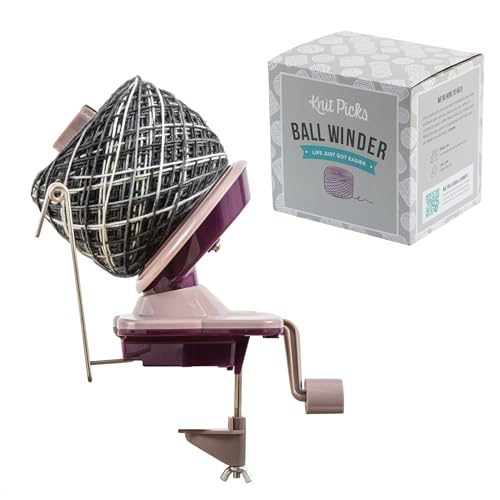
The KnitPicks ball winder is the definitive entry-level choice for beginners or those who only knit occasionally. It is compact, affordable, and perfectly capable of handling standard 50-to-100 gram hanks of yarn.
While it may struggle with very large or extremely heavy yarns, it is perfectly adequate for standard sock yarn or worsted-weight wool. It is a great starting point for knitters who are just learning the benefits of winding their own supplies before moving up to larger, specialized equipment.
If you have a modest stash and limited table space, this winder provides the necessary functionality without cluttering your room. It is a practical, honest tool that understands its role in the hobbyist’s arsenal.
Hand-Crank vs. Electric: Which Winder Is For You?
Hand-crank winders provide complete control over the winding speed, which is essential when dealing with delicate or hand-dyed yarns that may have uneven twists. The physical feedback allows the knitter to slow down instantly if a snag is detected in the hank.
Electric winders, by contrast, offer speed and efficiency for high-volume makers who need to prep yarn for large-scale projects like blankets or sweaters. However, they lack the immediate tactile sensitivity of a manual crank, which can sometimes lead to over-stretched fibers if the tension is not monitored closely.
Choose a hand-crank if you prioritize control and fiber safety. Opt for an electric unit only if your production volume necessitates rapid throughput and you have the ability to supervise the process constantly to catch potential tangles.
How To Pair Your Winder With The Right Yarn Swift
A winder is only as effective as the swift feeding it. An umbrella swift, which collapses and expands, is the most versatile option for holding different sized hanks taut while they spin.
Ensure the swift is positioned at an appropriate distance from the winder to maintain a gentle, consistent angle for the yarn. If the swift is too close, the yarn will feed at an angle that creates inconsistent cake density; too far, and the yarn is prone to drooping and tangling.
Always check that the swift spins freely without resistance. A sticky swift will cause the winder to tug on the yarn, potentially stretching delicate wools or breaking fragile fibers before they reach the cake.
Tips for Winding Slippery or Textured Novelty Yarns
Slippery fibers, such as silk, rayon, or certain superwash wools, have a tendency to slide off the cake base. If this occurs, wind the yarn at a slower, more deliberate pace to allow the fibers to “bite” into the layers below.
Textured novelty yarns, especially those with sequins or thick-and-thin slubs, require manual intervention. Always guide the yarn through your fingers before it reaches the winder to manually smooth out obstructions and prevent the winder’s tension arm from snagging.
Avoid winding highly elastic yarns, such as those with a high percentage of nylon or Spandex, under high tension. These fibers should be wound loosely so they can relax after the process, preventing the finished cake from losing its shape or weakening the yarn’s core.
Winder Maintenance To Keep It Running For Years
Regular maintenance is the key to preventing the “crunchy” feeling that develops in worn-out plastic gears. Keep the winder free of yarn debris and dust, which can clog the internal mechanisms and cause the unit to seize up.
Occasional lubrication with a light, sewing-machine-grade oil on the metal gears or moving pivots will significantly extend the life of the machine. Do not over-oil, as excess lubricant can attract dust and eventually transfer to your yarn.
Periodically inspect the tension arm for burrs or sharp edges that could fray delicate plies. If the plastic begins to show wear, a light sanding with very fine-grit paper can often restore a smooth surface and prevent future snagging.
Investing in a high-quality winder is the best way to safeguard the time and money spent on building a beautiful fiber stash. By choosing a model that matches your volume and yarn preferences, you ensure that every project begins with a smooth, stress-free experience. Properly cared for, these tools will support your knitting journey for years to come.