6 Best Silk Scarves For Botanical Printing To Try
Discover the 6 best silk scarves for botanical printing. We analyze fabric weights and weaves to help you achieve vibrant, professional-grade plant imprints.
Botanical printing on silk is the natural evolution for any fiber artist who loves the organic feel of working with protein fibers. Just as choosing the right yarn weight determines the drape of a sweater, selecting the correct silk base dictates how clearly your leaf prints will transfer. This guide breaks down the best silk substrates to ensure your eco-printing projects are as successful as your favorite knitting patterns.
Dharma Trading Co. Habotai Silk: Best Overall Choice


Habotai silk is the industry standard for a reason, much like how a reliable 100% Peruvian Highland wool is the go-to for a classic, sturdy sweater. It is lightweight, consistent, and possesses a smooth surface that takes natural dyes with incredible clarity.
When you are first starting out, you want a canvas that doesn’t fight back. Habotai has a plain weave that is forgiving, meaning you don’t have to worry about complex textures interfering with the delicate veins of a fern or maple leaf.
The tradeoff here is that it is quite thin, similar to a lace-weight silk-mohair blend. If you are heavy-handed during the bundling process, it can tear, so treat it with the same care you would when blocking a delicate openwork shawl.
Mulberry Silk Charmeuse: For A Luxurious Texture

Charmeuse is the silk equivalent of a high-end, plied cashmere yarn; it is all about the drape and the hand-feel. Because it has a satin weave, one side is exceptionally lustrous, providing a high-contrast background for your botanical prints.
However, printing on charmeuse requires a bit more finesse than printing on matte fabrics. The slick surface can sometimes cause your leaves to shift during the steaming process, so ensure your bundle is wrapped tightly and secured with plenty of pressure.
Think of this like knitting with a very slippery silk-blend yarn; you need to keep your tension consistent to avoid dropped stitches or uneven fabric. It is a premium choice for when you want a finished piece that feels like a family heirloom.
Silk Crepe de Chine: Ideal For Botanical Prints
Crepe de Chine is a favorite among textile artists because of its slightly pebbled, matte surface. Much like a wool yarn with a bit of "tooth" or grip, this texture helps hold the botanical matter in place during the steaming process.
This fabric is incredibly durable and resists the fraying that often plagues thinner silks. If you are planning on doing a lot of handling, folding, and re-steaming, this is the workhorse you want in your stash.
The matte finish also makes the prints appear more "integrated" into the fabric rather than sitting on top of it. It offers a sophisticated, professional look that stands up well to repeated wear and light washing.
Raw Silk Noil Scarves: Best For Rustic Aesthetics

Raw silk noil has a nubby, textured appearance that mimics the look of handspun wool or linen. It is the perfect choice if you prefer an earthy, organic aesthetic over the high-shine finish of traditional silk.
Because it is made from short fiber remnants, it is highly absorbent. This means your botanical prints will look soft and diffused, similar to how dyes behave on a rustic, unmercerized cotton yarn.
Don’t expect crisp, laser-sharp leaf outlines here; instead, embrace the "painterly" quality of the prints. It is a forgiving fabric that hides minor imperfections, making it a great choice for those who are still learning the mechanics of leaf placement.
Silk Chiffon Scarves: For A Sheer Ethereal Finish
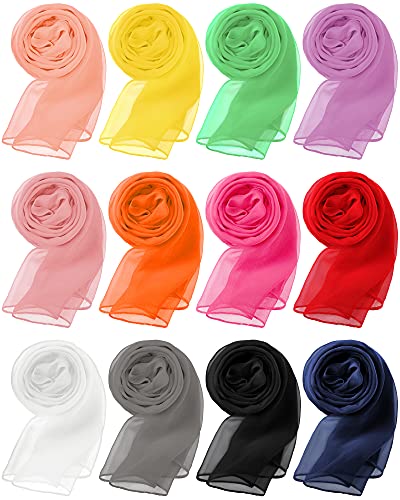
Chiffon is the ultimate "lace weight" of the silk world—it is delicate, transparent, and requires a steady hand. Printing on chiffon is a master-level project because the fabric is so fine that you must be careful not to let the dye bleed through too aggressively.
You will often find that chiffon prints look best when layered or gathered. Just as you might double up a strand of lace-weight yarn to get more body, the folds of a chiffon scarf create depth that makes the botanical prints look almost three-dimensional.
Be warned: this fabric is fragile. Use gentle, non-aggressive leaves and avoid over-steaming, as the heat can weaken the fibers if they are already stressed by the weight of the botanical matter.
Silk Satin Scarves: Best For Vibrant Color Depth

Satin is the most dramatic option for eco-printing, offering a reflective surface that makes colors pop. If you are working with high-tannin leaves like eucalyptus or oak, the contrast against the sheen of the satin is unmatched.
The challenge with satin is its tendency to show every single wrinkle or fold. Like working with a solid-color, high-twist yarn that highlights every imperfection in your knitting, you must ensure your bundles are perfectly smooth to get a clean print.
This is a high-reward fabric for those who have mastered their mordanting process. When done correctly, the result is a vibrant, professional-grade scarf that looks like it came straight from a high-end boutique.
Understanding Silk Fiber Content for Eco Printing
Not all silk is created equal, and understanding the fiber content is as crucial as knowing the difference between superwash and non-superwash wool. Most botanical printing is done on "prepared for dyeing" (PFD) silk, which is free of the oils and finishes used in commercial manufacturing.
If you buy a silk scarf from a general craft store, it likely has a finish that will repel your mordants and natural dyes. Always check that your silk is 100% natural and untreated; otherwise, your prints will wash out the moment you rinse them.
Think of this as the "swatch" step of your project. If you don’t strip the finish or ensure the fiber is clean, you are essentially knitting a sweater with a yarn that hasn’t been properly scoured—the results will be disappointing.
Essential Mordants for Botanical Silk Printing
Mordants are the chemical bridge between your silk fibers and the botanical pigments. Without them, your prints will be fleeting, much like using a fugitive dye that fades after the first wash.
The most common mordants for silk are alum (aluminum potassium sulfate) and iron (ferrous sulfate). Alum brightens the colors, while iron acts as a "saddener," shifting your yellows and greens into deep, moody greys and blacks.
Think of mordanting as the "setting" phase of a knitting project, similar to blocking. Just as you wouldn’t skip blocking a delicate lace shawl, never skip the mordant bath if you want your botanical prints to last for years.
How to Prepare Silk Scarves for Natural Dyeing
Preparation is the foundation of any successful fiber project. Before you even think about placing a leaf, your silk must be scoured to remove any impurities. This involves a gentle wash with a pH-neutral soap to ensure the fibers are ready to accept the mordant.
After scouring, you move to the mordant bath. You want to simmer the silk gently—never boil it—to ensure the mordant penetrates the fiber deeply without damaging its structural integrity.
Treat your silk like a delicate hand-dyed yarn. Keep the temperature steady, avoid agitation, and let it cool slowly. If you shock the silk with sudden temperature changes, you risk felting or weakening the fibers.
Tips for Achieving Crisp Botanical Leaf Prints
The secret to a crisp print lies in the tension of your bundle. You need to create a "sandwich" where the leaf is pressed firmly against the silk, then wrapped tightly with a barrier fabric to prevent the dye from bleeding into unwanted areas.
Use a wooden dowel or a pipe to wrap your bundle, securing it with cotton string wound tightly. This pressure is the equivalent of maintaining even tension while knitting stranded colorwork; if your tension is loose, the pattern (or in this case, the leaf print) will be blurry.
Finally, be patient with the steaming time. A good rule of thumb is at least 60 to 90 minutes of steady steam, allowing the plant pigments to fully transfer into the mordanted protein fibers of the silk.
Botanical printing is a beautiful marriage of patience and nature, much like the slow, rhythmic process of knitting a complex pattern. By choosing the right silk base and respecting the chemistry of your mordants, you can create wearable art that captures the fleeting beauty of the seasons. Don’t be afraid to experiment with different leaf types and fabrics, as every project is a chance to refine your craft and deepen your understanding of fiber. Happy printing, and may your bundles be as tight as your best stockinette stitch!