7 Best Reference Books For Fiber Blending To Own
Master fiber blending with these 7 essential guides. Learn expert techniques, color theory, and fiber properties to elevate your spinning and weaving projects.
Mastering the art of fiber blending transforms you from a consumer of yarn into a creator of textiles. When you understand how to marry different wools, silks, and synthetics, you gain total control over your project’s drape, warmth, and durability. These seven reference books serve as the foundational library for any spinner or knitter looking to elevate their craft. Investing in these resources will save you countless hours of trial and error at the spinning wheel or blending board.
The Fleece and Fiber Sourcebook by Deborah Robson


This book is essentially the encyclopedia of the fiber world. It covers an exhaustive range of breeds, detailing the specific characteristics of their fleeces from the crimp to the handle.
For a knitter, this is vital because it explains why your favorite sweater yarn behaves the way it does. If you are struggling to find a yarn that holds a cable without sagging, this book will teach you which breeds provide the necessary elasticity.
It is a dense read, but it is indispensable for understanding the "why" behind fiber behavior. Use it to cross-reference the raw fleece you buy with the finished yarn you intend to spin.
The Intentional Spinner by Shannon Okey and Judith

Spinning with a specific end-product in mind is the mark of an advanced maker. This book shifts the focus from just making yarn to making yarn that actually suits your knitting patterns.
If you are planning a lace shawl, you need a high-twist, smooth yarn that highlights stitch definition. This guide teaches you how to blend fibers specifically to achieve that structural integrity.
The authors emphasize that intentionality starts at the blending stage. By choosing your fiber components carefully, you eliminate the need to "fix" your yarn with aggressive blocking later.
Respect the Spindle by Abby Franquemont for Spinners

Abby Franquemont’s approach is refreshing because it strips away the intimidation factor of spinning. While it focuses on the tool, the insights into fiber preparation are top-tier for beginners.
If you are using a drop spindle, your fiber preparation must be impeccable to avoid constant breakage. This book teaches you how to blend and prep fibers so they draft smoothly, which is a game-changer for your rhythm.
Don’t let the "beginner" label fool you; the techniques for managing fiber staple length are universal. Mastering these basics ensures that your handspun yarn remains consistent from the first ounce to the last.
Spin to Knit by Shannon Okey: A Blending Essential
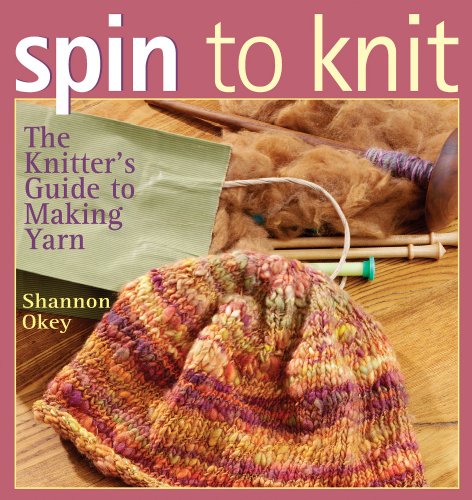
This book bridges the gap between the spinning wheel and the knitting needles. It is written for the knitter who wants to know exactly how their hand-blended fiber will look once it’s worked into a garment.
The authors provide practical "recipes" for blends that work well for specific projects. For example, if you want a durable sock yarn, they explain the importance of blending wool with nylon or mohair for strength.
It is a highly practical manual that prevents the common mistake of spinning beautiful yarn that doesn’t actually fit a pattern. Use it to plan your next sweater project from the fiber stage up.
Handspinning Rare Wools by Deborah Robson and Staff

Working with rare breeds is a privilege, but it requires a deeper understanding of fiber properties. This book provides a masterclass in handling fibers that don’t behave like the standard Merino you find in big-box stores.
Rare wools often have unique crimp patterns or handle that can be tricky to blend. This resource helps you identify which fibers will play nicely together without matting or pilling.
If you are looking to create a truly heirloom-quality garment, this is your go-to guide. It encourages you to respect the unique characteristics of the fiber rather than forcing it into a generic mold.
The Ashford Book of Spinning by Anne Field Guide

This is a classic for a reason, acting as a reliable mentor for the technical side of the craft. It covers the mechanics of blending and spinning in a way that is easy to digest for any skill level.
If you are just starting to experiment with blending boards or hand cards, this book provides the best visual aids. It demystifies the process of creating consistent batts, which is the foundation of a uniform yarn.
The bottom line is that this book offers a solid, no-nonsense foundation. It’s perfect for those days when you just need a quick refresher on how to achieve a specific blend ratio.
Fiber Arts Design Book: Blending and Color Theory
Blending isn’t just about texture; it’s about the way colors interact when they are spun together. This book focuses on the aesthetic side of fiber arts, which is often overlooked by technical manuals.
When you blend two different colored fibers, you create a heathered effect that adds depth to your knitting. This guide teaches you how to use color wheels to create harmonious blends that don’t turn into "mud" when plied.
Understanding color theory will change the way you shop for fiber. You will stop looking for pre-dyed yarn and start looking for raw materials that you can blend into your own custom palette.
How to Choose the Best Fiber Blending Reference
Choosing the right book depends entirely on your current goal as a maker. If you are a beginner, prioritize books that explain the mechanics of fiber preparation and tool use.
If you are an advanced spinner, look for books that focus on breed-specific properties and design theory. You want a reference that challenges your current skill set rather than just repeating what you already know.
- For Beginners: Focus on Respect the Spindle and The Ashford Book of Spinning.
- For Intermediate/Advanced: Invest in The Fleece and Fiber Sourcebook and The Intentional Spinner.
- For Design Enthusiasts: Prioritize the Fiber Arts Design Book.
Understanding Fiber Staple Length and Crimp Types
Staple length is the average length of the fiber locks, and it dictates how your yarn will hold together. Short staples require more twist to keep the yarn from pulling apart, while long staples can be spun with less twist.
Crimp is the natural wave in the fiber, which provides elasticity and "loft" to your knitting. High-crimp wools result in bouncy, warm yarns, while low-crimp fibers create smooth, drapey fabrics.
- High Crimp: Best for sweaters, hats, and items that need "memory."
- Low Crimp: Best for lace, shawls, and items that need drape.
- Short Staple: Requires careful carding to ensure it drafts consistently.
Tips for Mastering Hand Carding and Blending Wool
Hand carding is a rhythmic, meditative process that requires patience. Always start with small amounts of fiber; overloading your cards will lead to uneven, lumpy batts that are difficult to spin.
Experiment with "rolags" versus "batts" to see which drafting style suits your wheel. If you are blending different colors, pass the fiber through the cards multiple times to ensure a thorough, even mix.
Lastly, keep your tools clean. Residual oils and debris from previous blends can contaminate your new, pristine wool. A well-maintained set of carders is the secret to a professional-looking, consistent blend.
Building a library of fiber knowledge is a journey that pays dividends every time you sit down to spin or knit. By mastering the nuances of blending, you move beyond the constraints of commercial yarn and start creating textures entirely your own. Take your time with these resources, practice the techniques, and don’t be afraid to make a few "experimental" yarns along the way. Your hands and your needles will thank you for the extra effort.