7 Best Thread Snips For Intricate Trimming To Own
Discover the 7 best thread snips for precision trimming. Our guide evaluates top tools, highlighting sharpness, ergonomics, and durability for your projects.
Precision is the silent partner of every beautiful finished object, especially when you are weaving in ends on a complex lace shawl or trimming a stray bit of mohair. A dull blade can fray your yarn or, worse, nick your hard-earned stitches, turning a relaxing session into a rescue mission. Investing in a dedicated pair of snips is the single easiest way to elevate your finishing work from "homemade" to professional. Here are the tools that actually earn their keep in a seasoned maker’s notions bag.
Gingher 4-Inch Knife Edge Embroidery Snips


These are the gold standard for a reason, and they have been a staple in sewing kits for decades. The knife-edge grind is exceptionally sharp, allowing you to get right up against the fabric or your knitting without pulling or snagging the fibers.
If you are working with delicate silk or fine lace-weight yarns, these snips offer the clean cut you need to ensure your ends don’t unravel. The leverage on the 4-inch frame is perfect for controlled, small movements.
The trade-off is that they are carbon steel, which means they are susceptible to rust if you live in a humid climate or leave them near a damp blocking mat. Keep them dry and oil the pivot point occasionally, and they will likely outlive your current stash.
Havel’s Sewing Serrated Thread Snips

Serrated blades are a game-changer when you are working with slippery synthetics or high-twist superwash wools that tend to slide away from a smooth blade. The micro-serrations grip the yarn, preventing it from "walking" toward the tip of the scissors before the cut is made.
I find these particularly useful when trimming ends on stranded colorwork where you have multiple floats and tails to manage. You don’t have to worry about the yarn slipping; you get a precise cut on the first try, every single time.
They aren’t as "pretty" as some high-end boutique scissors, but they are workhorses. If your primary goal is efficiency and avoiding the frustration of repeated cutting attempts, these are the ones to reach for.
Fiskars 5-Inch Micro-Tip Needlework Scissors

Fiskars are ubiquitous for a reason: they are reliable, accessible, and ergonomically sound. The micro-tip is thin enough to reach into tight spots, like inside a sleeve or between two cables, to snip a loose end without disturbing the surrounding stitches.
These are an excellent "first pair" for a new knitter who is still building their toolkit. They handle everything from bulky wool to laceweight cotton with consistent ease, and they don’t require the high-maintenance care of premium forged steel.
However, keep in mind that these are mass-produced. While they are sharp out of the box, they don’t hold an edge as long as the professional-grade options on this list. Treat them as a reliable everyday tool rather than a lifelong heirloom.
Kai 7100 Professional Series Thread Snips

Kai scissors are legendary in the garment sewing world, and their thread snips bring that same level of engineering to the knitting table. The stainless steel used here is incredibly high quality, resulting in a blade that feels effortless to close.
When you are doing a high-volume project, like finishing a sweater with dozens of ends, the light tension of the Kai snips reduces hand fatigue. You aren’t fighting the tool; the blades glide through the yarn like it’s barely there.
These are an investment piece. If you only knit once a year, you might find them overkill, but for a daily maker, the difference in tactile experience is significant. They are sharp, balanced, and remarkably durable.
Dritz Precision Needlework Thread Snips

These snips are designed for the "get it done" knitter who values utility over aesthetics. They are compact, lightweight, and feature a spring-action design that makes them very easy to operate with just your thumb and forefinger.
They are perfect for tossing into a small project bag for knitting on the go. Because they are so small, you can tuck them into a needle case or a notions tin without adding any meaningful bulk.
The only downside is the spring mechanism, which can occasionally feel a bit stiff when brand new. Give them a little time to break in, and they will become the most convenient tool in your arsenal.
LDH Scissors Midnight Edition Thread Snips
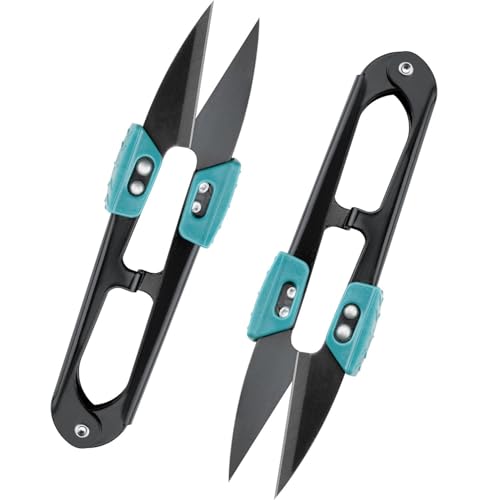
These are arguably the most beautiful tools on this list, featuring a sleek, matte black finish that looks stunning in any flat-lay photo. Beyond the aesthetics, the quality of the steel is top-tier, offering a smooth, crisp cut that is deeply satisfying.
The Midnight Edition snips are incredibly sharp, making them ideal for trimming mohair or angora fibers that often get "chewed" by lesser scissors. You want a clean cut on these delicate fibers to prevent matting at the tail.
Because they are a premium product, be mindful of where you store them. Don’t let them rattle around loose in a bag with your metal knitting needles, or you will quickly dull those beautiful, sharp points.
Merchant & Mills Wide Bow Embroidery Snips
There is something inherently comfortable about the wide bow design, which allows you to slip your fingers through for better control. If you have any issues with grip strength or hand discomfort, these offer a much more ergonomic hold than standard snips.
These are crafted with a traditional, rustic aesthetic that feels like a nod to the history of the craft. They are functional, sturdy, and have a "weight" to them that communicates quality.
They are not as "pointy" as some of the other micro-tip options, so they might not be the best choice for surgery-level precision inside a tight cable. However, for general finishing work, they are a joy to use.
How to Choose the Best Snips for Your Projects
Selecting the right snip comes down to the yarn you use most often. If you work primarily with slippery fibers like bamboo or silk, prioritize serrated blades to prevent the yarn from sliding.
If you are an intricate lace knitter, prioritize a fine, needle-like point. You need to be able to navigate the negative space of your lace patterns without snagging the yarn overs or the delicate yarn transitions.
Finally, consider your hand health. If you knit for hours on end, look for tools with spring-action or ergonomic bows to minimize the strain on your joints. Your hands are your most important knitting tool; don’t force them to work with an uncomfortable instrument.
Essential Maintenance Tips for Sharp Blades
Never, under any circumstances, use your embroidery snips to cut anything other than yarn or thread. Using them on paper, cardboard, or plastic will dull the blades almost instantly, ruining their ability to provide that clean, precise cut.
Keep your snips clean by wiping them down with a soft, dry cloth after every project to remove any dust or fiber lint. If you notice them getting sticky, a tiny drop of sewing machine oil at the pivot point will keep the action smooth.
If your blades do become dull, do not attempt to sharpen them yourself unless you are trained in tool maintenance. Send them to a professional sharpener who understands the specific grind of embroidery shears; otherwise, you risk ruining the temper of the steel.
Safety and Storage for Precision Cutting Tools
Always store your snips with a protective cover or in a dedicated sheath. Not only does this protect the sharp points from damage, but it also prevents you from accidentally nicking your fingers when reaching into your project bag.
If you are traveling, remember that most snips are small enough to pass TSA regulations, but it is always safer to keep them in your checked luggage if possible. Always check local guidelines before heading to a knitting retreat or workshop.
Finally, treat your snips with the same respect you give your favorite needles. A sharp, well-maintained tool is a joy to use and a sign of a knitter who truly values the craft.
Choosing the right snips is about finding the balance between the precision you need and the comfort your hands deserve. Whether you opt for the classic reliability of Gingher or the modern aesthetic of LDH, a dedicated pair of scissors will transform your finishing process. Take care of your blades, and they will ensure your beautiful stitches stay exactly where they belong. Happy knitting, and may your ends always be perfectly trimmed.