6 Best Sewing Needles For Knit Assembly To Try
Choosing the right needle is vital for knit assembly. Explore our top six picks that ensure seamless finishes and prevent fabric damage on your next project.
Finishing your hand-knitted garment is the final, crucial step that transforms a collection of pieces into a professional-looking heirloom. Many knitters spend hours perfecting their stitch gauge, only to rush the assembly process with the wrong tools. Choosing the right needle for seaming is just as important as selecting the right yarn for your pattern. This guide explores the best needles on the market to ensure your seams are as beautiful and durable as the fabric itself.
Clover Chibi Bent-Tip Tapestry Needle Set


These needles are a staple in my notions bag for a reason. The signature bent tip allows you to slide under stitches without piercing the yarn fibers, which is essential for maintaining the integrity of your seam.
The set comes in a convenient, sturdy case that prevents them from disappearing into the depths of your project bag. Because they are made of a smooth, polished metal, they glide through most wool and acrylic blends without snagging.
If you are working on a mattress stitch seam, the bent tip acts as a guide to pick up the horizontal bars between stitches. It effectively eliminates the "poking" motion that often leads to split yarn or uneven tension.
Bohin France Size 18/22/24 Tapestry Needles

Bohin needles are widely regarded as the gold standard for durability and tip precision. They feature a high-quality nickel-plated finish that feels slick in the hand, making them ideal for high-friction seaming tasks.
The range of sizes allows you to match the needle thickness to the weight of your yarn perfectly. For instance, use the size 18 for bulky, heavy-weight sweaters, and reserve the 24 for delicate fingering-weight lace projects.
One thing to keep in mind is that these are rigid needles. While they are incredibly strong, they lack the flexibility of some plastic alternatives, so be sure to choose the size that matches your yarn’s weight to avoid stretching your stitches.
Dritz Extra Large Eye Finishing Needles

Sometimes, the struggle isn’t the seam itself, but the annoyance of threading a thick, fuzzy mohair or a multi-ply wool yarn. These needles address that common frustration with their generous, elongated eyes.
Because the eye is so large, you can easily thread them even when your eyes are tired after a long night of knitting. They are particularly useful for weavers who need to hide long, bulky ends on the inside of a garment.
While they are excellent for threading, they can be a bit bulky for fine-gauge work. I recommend keeping these specifically for finishing heavy-weight cardigans or blankets where the seam allowance is generous enough to accommodate the needle’s thickness.
ChiaoGoo Stainless Steel Finishing Needles
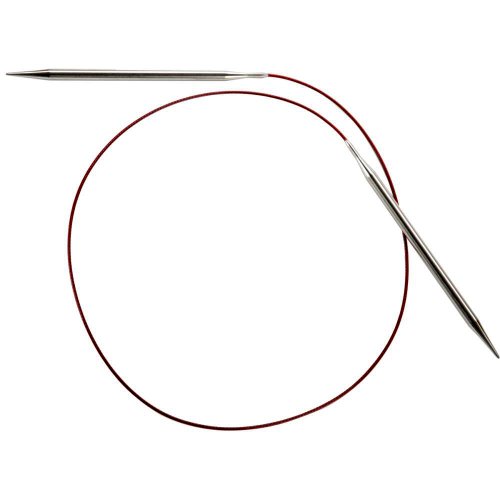
If you appreciate the feel of stainless steel in your knitting needles, you will love these for seaming. They are incredibly sturdy, meaning they won’t bend or warp even after years of heavy use.
The finish is exceptionally smooth, which is a significant advantage when working with sticky fibers like mohair or angora. These fibers tend to grab onto plastic or wooden needles, but they slide right off the polished steel.
The set usually includes a variety of sizes, which is helpful if you frequently switch between different yarn weights. Just be mindful that they are quite rigid, so they may not be the best choice if you are working on a very delicate, lightweight knit that requires a gentle touch.
Tulip Hiroshima Tapestry Needles Grade 1
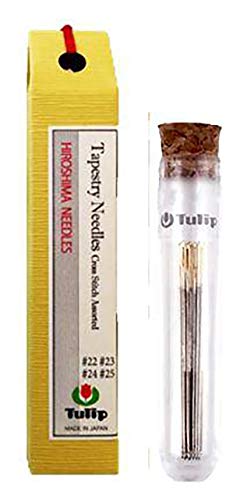
These needles are a luxury item for the discerning knitter. The tip is polished to a point that is sharp enough to navigate tight spaces but blunt enough to avoid splitting your yarn.
The quality of the metal is superior, and they feel balanced in the hand. For those who find standard needles too heavy or awkward, the ergonomic design of these needles can make a noticeable difference in comfort during long finishing sessions.
They are an investment, but they last a lifetime if cared for properly. If you are finishing a complex colorwork project where every stitch placement matters, these needles offer the precision you need to keep your lines clean.
Cocoknits Leather Point Protectors and Needles

This set is a departure from the traditional metal needle, offering a softer approach to finishing. The needles are designed to be user-friendly and are particularly well-suited for those who struggle with the rigidity of standard tapestry needles.
The leather point protectors are a thoughtful addition that prevents your work from sliding off the needles when you aren’t using them. It’s a great way to keep your stitches secure while you are in the middle of a complex assembly.
Because these needles are slightly more flexible, they are forgiving on your hands. If you suffer from joint pain or arthritis, the tactile grip and slight give of these needles can make the process of seaming much less fatiguing.
Why Bent-Tip Needles Improve Seaming Precision
The bent tip is not just a gimmick; it is a mechanical advantage for the knitter. By angling the tip, you can easily hook the yarn without having to maneuver your entire hand in an awkward position.
This design is particularly beneficial for mattress stitch, where you are working on the surface of the fabric. It allows you to scoop up the bars of your stitches with a fluid, rhythmic motion that mimics the way you knit.
When you use a straight needle, you often have to lift the fabric off your lap to get the right angle. A bent-tip needle lets the tool do the work, so your fabric can stay flat on the table, leading to more consistent tension.
Choosing the Right Gauge for Your Yarn Weight
Matching your needle to your yarn weight is the secret to a seam that is invisible yet strong. If your needle is too thick, it will stretch the stitches and create gaps; if it is too thin, it will be difficult to pull the yarn through.
- Fingering Weight: Use a size 24 or 26 needle.
- DK Weight: A size 22 is generally ideal.
- Worsted/Aran Weight: Aim for a size 18 or 20.
- Bulky/Super Bulky: Use a large-eye finishing needle or a size 16.
Always perform a small test seam on a swatch before you commit to the main garment. If you notice your seam looks "gappy," drop down a needle size, even if the yarn weight suggests otherwise.
Essential Finishing Techniques for Clean Seams
A clean seam is all about consistency and patience. The most common mistake is pulling your seaming yarn too tight, which causes the fabric to pucker and lose its drape.
When working a mattress stitch, always ensure you are picking up the same bar on each side of the seam. If you skip a bar or pick up two, the seam will become uneven and twist as the garment hangs.
Blocking your pieces before you sew them is also non-negotiable. If your pieces aren’t the right size or shape before you start, no amount of careful seaming will make them look professional.
How to Properly Hide Ends in Intricate Knits
Hiding ends is a craft in itself, especially in lace or colorwork where there is no "wrong side" to hide behind. The best approach is to weave your ends into the vertical path of the stitch, following the "V" shape of the knit.
Avoid pulling your yarn across the back of the work, as this can create unsightly bumps. Instead, weave the tail up or down through the back loops of the stitches for at least an inch to ensure it stays secure.
For slippery fibers like silk or superwash wool, you may need to weave the end in both directions. This "locking" technique prevents the end from working its way out over time, especially after the garment has been washed.
Mastering the art of assembly is what separates a homemade project from a professional-quality garment. By selecting the right needle for your specific yarn and project, you can ensure that your hard work stands the test of time. Don’t be afraid to experiment with different types of needles until you find the one that feels like an extension of your own hand. Happy seaming, and remember that every stitch counts.