6 Best Command Hooks For Temporary Yarn Displays
Organize your yarn stash easily with these 6 top-rated command hooks. Learn which durable, damage-free options best support your creative display needs today.
Transforming your yarn stash into a visual display is one of the most rewarding ways to organize a craft space. Whether you are showcasing hand-dyed indie skeins or keeping project-ready yarn within arm’s reach, temporary mounting solutions are a lifesaver for renters and those who love to rearrange their creative zones. With two decades of experience behind the needles, I have found that choosing the right adhesive hook is the difference between a curated studio and a pile of tangled fiber on the floor.
Command Clear Decor Hooks for Minimalist Displays


When you want the yarn to be the star of the show, these clear hooks are your best friend. They disappear against the wall, allowing your hand-dyed gradients or vibrant solid colors to pop without visual clutter.
I prefer these for displaying single, precious skeins that act as "yarn art." Because they are small and unobtrusive, they don’t distract from the intricate twist or the subtle sheen of a luxury silk-merino blend.
Keep in mind that these hooks are designed for lighter loads. If you try to hang a heavy, moisture-laden wool sweater or a massive 200-gram cake of yarn, you will likely find them on the floor by morning.
Command Large Utility Hooks for Heavy Yarn Skeins
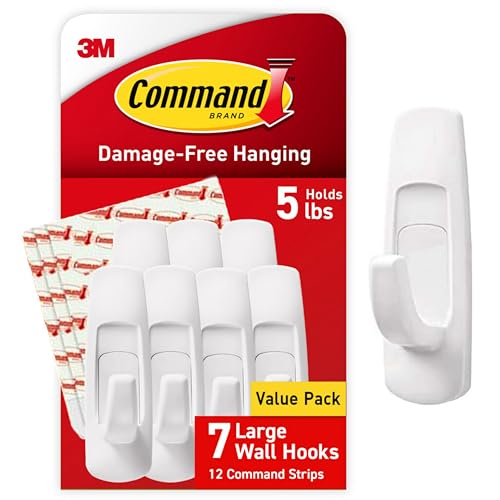
For the serious stash-builder, these large utility hooks are the workhorses of the yarn room. They are sturdy enough to hold multiple skeins of worsted weight wool or even a heavy cotton blend without buckling.
I use these when I need to keep my current "in-progress" projects accessible. Hanging a skein by its label or a loose loop allows the fiber to breathe, which is vital if you live in a climate where natural fibers need air circulation to prevent mildew.
The trade-off here is aesthetics; these hooks are utilitarian and bulky. They aren’t meant to be invisible, so use them in areas where the functionality of having your stash visible outweighs the need for a clean, minimalist look.
Command Small Wire Hooks for Organizing Yarn Swatches
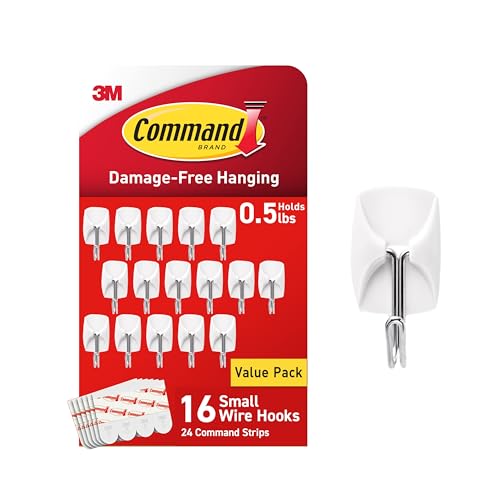
Every knitter knows the struggle of keeping track of gauge swatches once the project is finished. Small wire hooks are perfect for hanging these 4×4 inch test squares to keep your stitch patterns organized and referenceable.

I recommend labeling your swatches with a small tag before hanging them on these hooks. It’s a simple way to track needle size, fiber content, and the date of the project, turning your wall into a functional library of your knitting history.
Because the wire is thin, it won’t distort the fabric of your swatch. This is crucial if you are testing a delicate lace pattern or a complex cable, as you want the stitch definition to remain exactly as it was when you blocked it.
Command Brushed Nickel Hooks for Studio Aesthetics
If your knitting space doubles as a home office or living area, brushed nickel hooks offer a touch of sophistication. They elevate the look of your yarn wall from "craft room" to "design studio."
These hooks are excellent for displaying high-end fibers like cashmere or alpaca. The metallic finish pairs beautifully with the soft, organic textures of natural animal fibers, creating a professional-looking display that feels intentional rather than cluttered.
Be aware that these hooks are often heavier than their plastic counterparts. Ensure you are applying them to a smooth, clean surface to maximize the adhesive bond, as the weight of the hook itself can sometimes compromise the strip if the wall is textured.
Command Damage-Free Picture Hanging Strips for Art

Sometimes, the best way to display a finished project—like a framed lace shawl—isn’t a hook at all. Picture hanging strips allow you to mount finished pieces flat against the wall, showcasing the drape and stitch detail perfectly.
This is a fantastic solution for displaying heirloom pieces that you don’t wear often. By mounting them flat, you avoid the structural stress that comes from hanging a heavy knitted garment on a single point, which can cause the shoulders or neck to stretch out over time.
Make sure your finished piece has been properly blocked and dried before mounting. If there is any residual moisture in the fiber, the adhesive strips may lose their grip, and you run the risk of the piece sagging or falling.
Command Bath Hooks for Humidity-Resistant Storage

Knitting studios are often located in basements or spare rooms where humidity can fluctuate. Bath-rated hooks are engineered to withstand these shifts, making them the most reliable choice for long-term yarn storage.
If you are storing wool—which is highly hygroscopic and absorbs moisture from the air—these hooks provide a secure base that won’t fail when the seasons change. It’s a small investment that protects your stash from the dreaded "damp yarn" smell.
Always check the weight rating on the package, as these are often smaller than the heavy-duty utility hooks. They are best suited for single skeins or lightweight fingering weight yarns rather than bulky, oversized wool cakes.
How to Safely Mount Yarn Displays on Painted Walls
The secret to a successful yarn wall is preparation. Before you stick anything to your wall, clean the surface with isopropyl alcohol to remove dust and oils, which are the primary reasons adhesive hooks fail.
If your walls are painted with a high-gloss finish, the adhesive will hold much better than on flat or matte paint. If you have matte paint, consider a small, discreet test patch to ensure the adhesive won’t peel the paint off when you eventually remove it.
Never rush the "curing" process. The instructions usually recommend waiting an hour before hanging weight, but I always wait a full 24 hours to ensure the bond is rock solid before loading it with my favorite hand-dyed yarns.
Best Practices for Weight Distribution on Hooks
Weight distribution is the difference between a tidy display and a yarn explosion. Avoid overloading a single hook; instead, distribute your skeins across a wider area to keep the tension even across your wall surface.
When hanging skeins, try to balance the weight so the hook isn’t pulling away from the wall at an angle. If the hook is tilted, the adhesive strip is being peeled off rather than held in place, which is a recipe for disaster.
If you are hanging a heavy project, use multiple hooks to support the garment’s weight. Think of it like a clothesline; the more points of contact you have, the less stress is placed on any single adhesive bond.
Preventing Yarn Distortion During Long-Term Storage
Yarn is a living fiber, and gravity is its enemy. If you hang a skein by a single thread for months, that specific section of the yarn will stretch and thin, which can ruin your gauge when you finally go to use it.
To prevent this, rotate your yarn stash every few months. Take the skeins off the hooks, give them a gentle shake, and re-hang them from a different point to ensure the tension is distributed evenly throughout the twist.
Avoid hanging yarn in direct sunlight, regardless of the hook type. UV rays can fade natural dyes and degrade the integrity of the fiber, making it brittle and prone to snapping during the knitting process.
Essential Tips for Removing Hooks Without Damage
The most common mistake knitters make is pulling the hook straight off the wall. Always pull the adhesive tab slowly and steadily, straight down against the wall, to release the tension without ripping the paint or drywall.
If the tab is stuck, a hair dryer on a low, warm setting can help soften the adhesive. Just be careful not to apply too much heat, as this can damage the paint finish or warp the plastic hook if you intend to reuse it.
If you do end up with a bit of sticky residue, a gentle rub with a microfiber cloth and a drop of eucalyptus oil usually does the trick. Patience is key here; rushing the removal process is the fastest way to lose your security deposit.
Creating a yarn display is a balance of aesthetics, physics, and fiber care. By choosing the right hook for your specific space and yarn weight, you can turn your stash into a source of daily inspiration. Remember that the best display is one that keeps your yarn safe, organized, and ready for your next cast-on. Happy knitting, and may your walls be as beautiful as your finished projects.