7 Best Yarn Dispensers For Tangle Free Knitting
Tired of yarn knots? Explore our top 7 yarn dispensers for tangle-free knitting. Discover tools that ensure smooth tension and effortless crafting sessions.
Nothing ruins the rhythm of a complex lace project faster than a yarn ball that rolls across the floor or tangles into a hopeless knot. As someone who has spent two decades at the needles, I know that your tools are just as important as your tension. A good yarn dispenser isn’t just a luxury; it’s the secret to maintaining consistent gauge and preventing the fatigue that comes from fighting your materials. Here are the tools that will keep your yarn flowing smoothly from cast-on to bind-off.
Yarn Valet Portable Yarn Dispenser: Best Overall


The Yarn Valet is a game-changer for those of us who knit on the go. Its compact, tension-regulating design keeps your yarn from jumping off the ball, which is a common annoyance when working with slick, tightly twisted superwash wools.
Because it is portable, it fits perfectly in a project bag, making it ideal for knitting group meetings or long commutes. It doesn’t require a flat surface, meaning you can knit comfortably in an armchair or even a park bench without sacrificing control.
The trade-off here is capacity; it struggles with jumbo-sized skeins. However, for standard fingering or worsted weight projects, it provides the most consistent delivery of any portable tool I’ve used.
Stanwood Needlecraft Large Metal Yarn Ball Winder

If you buy your yarn in hanks—the twisted loops that must be wound before use—you absolutely need a sturdy winder. The Stanwood is the gold standard for durability, featuring heavy-duty gears that don’t skip or grind under pressure.
When you are winding a delicate hand-dyed silk blend, you need a tool that won’t snag the fibers. The Stanwood handles high-volume winding without stretching the yarn, which is crucial for maintaining the integrity of your fiber’s natural elasticity.
While it is an investment, it saves you from the tedious, uneven tension of hand-winding. Just ensure your table edge is sturdy enough to handle the clamp, as this unit has some serious weight to it.
Kohm Wood Yarn Bowl With Detachable Spindle

For those who prefer a more aesthetic, stationary setup, a wooden bowl with a spindle is a classic choice. The Kohm bowl is beautifully crafted, but the real benefit is the vertical spindle that holds your cake of yarn steady.
Using a spindle prevents the "yarn collapse" that often happens when a center-pull cake gets down to its final few yards. It keeps the yarn feeding from the outside, which is generally safer for fibers prone to tangling or splitting.
The wood finish is smooth enough that it won’t snag delicate mohair or angora fibers. Just be careful with the spindle alignment; if you drop it, the wood can chip, potentially creating a rough spot that could catch on your yarn.
Dear Handmade Life Yarn Spindle Stand For Cakes
This stand is designed specifically for those who love the convenience of center-pull cakes but hate when the center collapses. It keeps the cake upright and allows it to rotate freely as you pull, ensuring a smooth, snag-free experience.
It is particularly useful when working with multiple strands for colorwork or holding two strands together for a thicker gauge. By keeping the cakes separated on individual spindles, you eliminate the risk of the yarns twisting around each other.
The minimalist design is a win for small workspaces. It doesn’t take up much room on a side table, leaving more space for your pattern charts and notions.
Cox Creation Wooden Yarn Butler With Bearings

The "yarn butler" is a favorite among knitters who use heavy, large-scale skeins. The Cox Creation model features ball bearings, which allow the wood to spin with almost zero resistance.
If you are a fast knitter, you need a dispenser that keeps up with your speed without creating drag. This butler is so responsive that it actually prevents the yarn from stretching, which is vital when working with inelastic fibers like linen or cotton.
Because it sits on a base rather than clamping to a table, it is easy to move around. It is a beautiful, functional piece of furniture that feels like a permanent upgrade to your knitting station.
Yarn Tree Ceramic Yarn Holder With Spiral Slot

Ceramic holders are excellent because they are heavy and stable, meaning they won’t slide around as you work. The spiral slot allows you to feed the yarn through while keeping the ball contained inside the bowl.
This is the best option if you have pets or children who like to "help" with your knitting. It keeps the ball securely tucked away, preventing it from rolling into corners or getting covered in dust and debris.
The smooth ceramic surface is ideal for all fiber types, from rustic wool to synthetic blends. Just remember that it is breakable; place it on a stable surface where it won’t be knocked off by a stray elbow.
KnitPicks Yarn Ball Winder For Tangle-Free Use
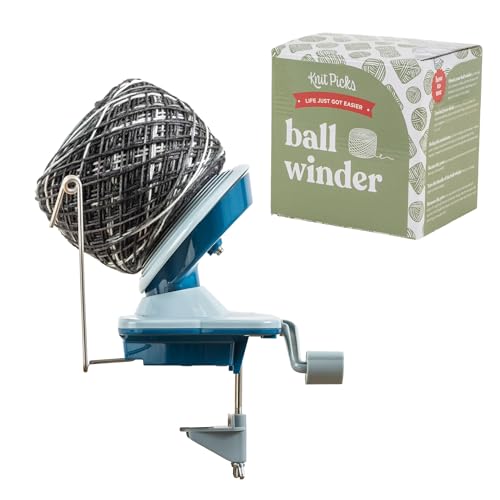
The KnitPicks winder is the go-to for many beginners because it is accessible and gets the job done. It creates a neat, center-pull cake that fits perfectly into most yarn bowls or onto spindles.
While it isn’t as heavy-duty as the Stanwood, it is perfectly adequate for the occasional project. It is a great entry point for someone who is just starting to transition from hanks to cakes and wants to see the benefit of organized yarn.
Be mindful of the tension when winding; if you wind too tightly, you will stretch the yarn, which can lead to gauge issues later. Always wind with a light, even touch to preserve the yarn’s natural loft.
Why Yarn Dispensers Are Essential For Knitters
A dispenser is about more than just convenience; it is about maintaining your tension. When your yarn is dragging or tangling, you instinctively pull harder, which can lead to uneven, tight stitches that ruin the drape of a garment.
Beyond tension, these tools protect your materials. Constant handling of a loose ball of yarn can transfer oils from your hands, cause pilling, or even lead to accidental splitting of the plies.
By using a dispenser, you are investing in the longevity of your finished project. It allows you to focus entirely on your stitch pattern rather than fighting your supplies.
How To Choose The Best Dispenser For Your Space
First, assess your environment; if you have a dedicated craft room, a stationary butler or ceramic bowl is perfect. If you are a "knit-anywhere" person, prioritize the portable Yarn Valet or a collapsible spindle.
Consider the weight of your projects. If you frequently work with bulky, heavy wools, you need a dispenser with a heavy base or a secure clamp to prevent it from tipping over.
Finally, think about your fiber preferences. If you work primarily with delicate, slippery yarns like silk or bamboo, choose a tool with a very smooth, snag-free surface to prevent fraying.
Maintenance Tips For Your Yarn Dispenser Tools
Wooden dispensers should be wiped down occasionally with a soft cloth to remove dust. If the wood feels dry, a tiny bit of mineral oil will keep it supple and prevent it from splintering.
For mechanical winders, keep the gears clear of stray yarn fibers, which can get caught and cause the mechanism to seize. A quick blast of canned air or a soft brush can keep the gears moving smoothly.
Ceramic bowls are the easiest to maintain, but check the spiral slot for any small chips. If you find a rough edge, a light sanding with fine-grit sandpaper will keep your yarn safe from snags.
Finding the right yarn dispenser is a personal journey that depends on your unique knitting style and the fibers you love most. Whether you opt for the stability of a ceramic bowl or the mobility of a portable valet, the goal is always the same: to remove friction from your process. Once you stop wrestling with your yarn, you’ll find that your knitting becomes faster, more consistent, and infinitely more enjoyable. Happy knitting, and may your yarn always flow as freely as your creativity.