7 Best Lumbar Cushions For Extended Sewing To Try
Stop back pain while you create. Discover our 7 best lumbar cushions for extended sewing and improve your posture today. Click here to find your perfect fit!
Long hours spent hunched over a pair of circular needles or navigating a complex cable chart can quickly turn a relaxing hobby into a source of chronic back pain. Lumbar support is often the missing ingredient in a knitter’s workstation, bridging the gap between an ordinary chair and an ergonomic studio setup. Selecting the right cushion transforms posture during those marathon sessions of stranded colorwork. Consider this guide a essential step toward protecting your body so the craft can be enjoyed for years to come.
Everlasting Comfort: Best Overall Support
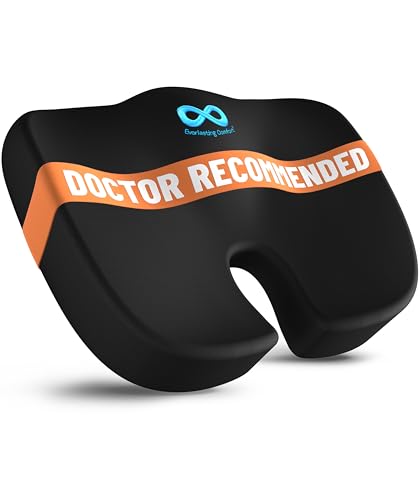

This cushion is a standout for knitters who find themselves losing track of time while working on large-scale projects like heavy wool sweaters. Its memory foam core is engineered to provide consistent support without bottoming out under the weight of long sessions.
The design features a contoured shape that encourages a neutral spine, which is vital when peering closely at dark-colored yarn or tight lace stitches. By maintaining the natural curve of the lower back, it prevents the slumped posture that often follows an hour of intense concentration.
The primary trade-off is the thickness, which may push a knitter slightly forward in chairs with shallow seats. If your current setup leaves little room for movement, verify that the added depth won’t compromise your leg positioning.
Cushion Lab Deep Relief: Top Ergonomic Pick

The Cushion Lab approach focuses on deep, targeted contouring that mimics the spine’s natural alignment. For those who knit with high-tension fibers like linen or hemp, this cushion helps mitigate the tendency to lean into the work when fighting the lack of elasticity in the yarn.
It is particularly effective at preventing the “c-shape” slouch that develops when working on complex top-down raglan construction. The extra-dense foam offers a firmer feel, ensuring the support remains static even when the knitter shifts weight to reach for a stitch marker or cable needle.
Be mindful that the aggressive contouring is designed for a specific seated position. It performs best in chairs where the backrest is relatively flat and lacks significant existing lumbar protrusion.
ComfiLife Lumbar Pillow: Best for Firmness

When working with heavy, complex projects that require significant manual labor, a soft pillow often fails to provide the necessary resistance. The ComfiLife option provides a rigid, supportive structure that pushes back against the body’s weight.
This firmness is a boon for knitters who suffer from fatigue in the mid-back while working on oversized blankets or heavy worsted-weight throws. It acts as a structural anchor, keeping the torso upright and reducing the strain on shoulders and necks during repetitive motion.
While the firm density is excellent for stability, it may feel unforgiving during shorter, casual knitting sessions. It is a tool for endurance, ideal for the knitter who plans to spend an entire afternoon tackling a multi-skein project.
Tempur-Pedic Lumbar: Premium Comfort Choice

The proprietary material found in Tempur-Pedic cushions is renowned for its ability to adapt to body heat and pressure. For a knitter, this translates to a customized fit that subtly shifts as one moves to adjust their tension or reposition a circular cable.
Because the material reacts to warmth, it maintains its integrity better than standard polyurethane foams that might soften excessively in a sunlit craft room. This provides a consistent “cradle” effect that helps reduce localized pressure points during long, static periods of knitting.
However, the premium price point reflects the specialized material rather than a radical change in ergonomics. Consider this an investment in material longevity if you knit professionally or for several hours every single day.
LoveHome Memory Foam: Ideal Budget-Friendly

For the knitter who is just beginning to assemble their ergonomic toolkit, this cushion offers an excellent balance of functionality and affordability. It provides a standard, reliable contour that improves almost any basic kitchen or office chair.
The dual-strap system is a practical feature that prevents the cushion from sliding down during those moments of shifting for better lighting. It is a solid choice for someone who alternates between knitting, spinning, or desk work, as it is easy to transport between different stations.
Understand that budget materials may lose their spring over time with daily heavy-duty use. It serves as a perfect entry point for those needing immediate relief without committing to a high-end price tag.
Samsonite Travel Pillow: Most Versatile Option
If your knitting life involves frequent travel to guilds, retreats, or long train rides, a bulky home cushion is rarely practical. This option is designed with a smaller profile that makes it portable without sacrificing too much support.
While it lacks the heavy-duty density of a dedicated office cushion, it provides enough lumbar lift to keep the back aligned during sessions in unconventional seating. It is the perfect tool for when you are forced to knit on a sofa or in a cramped travel chair.
Do not expect the same level of orthopedic correction as a larger, fixed-back cushion. Use this primarily for its mobility and convenience during short-term or travel-based knitting excursions.
Purple Back Cushion: Best for Pressure Relief
The grid-based structure of the Purple cushion creates a unique sensation of weightlessness that is highly effective for pain management. By distributing pressure across a wider surface area, it prevents the stiffness that often sets in during long rows of plain stockinette.
Knitters who deal with sensitive spots in the lower back will appreciate how the grid allows for airflow. This is a critical feature for anyone knitting with heat-trapping fibers like mohair or thick wool in a room without optimal ventilation.
Keep in mind that the unique texture and aesthetic of the grid may require an adjustment period. It is less about rigid postural correction and more about relieving pressure and keeping the body cool.
How to Pick the Right Cushion for Your Chair
Before purchasing, assess the chair you use for your longest projects. If your chair already has a significant lumbar curve, a thin, flexible cushion is preferable to avoid over-extending your spine.
Consider your personal gauge and physical habits. If your knitting style involves leaning far forward to observe delicate lace, look for a cushion with a slim profile that won’t force you into an awkward, over-arched posture.
Check the strap mechanism against your chair’s back width. A strap that is too short will cause the cushion to sit incorrectly, negating the ergonomic benefits and potentially increasing discomfort over time.
Proper Cushion Placement for Better Posture
Correct placement is located just above the pelvis, filling the gap between the lumbar spine and the chair back. If the cushion is placed too high, it will force the shoulders forward, creating tension that migrates to the neck while you work.
Always sit as far back in the chair as possible before positioning the cushion. This ensures that the base of your spine is supported, providing a stable foundation from which you can knit comfortably for hours.
Periodically readjust the height as your body shifts during the day. Even a well-placed cushion can lose its efficacy if the knitter slides down the seat during a long project, moving the support into the mid-back.
Memory Foam vs. Gel: Which Is Right for You?
Memory foam is the industry standard for contouring and stability. It is ideal for knitters who need firm support to maintain a consistent sitting position throughout a complicated colorwork chart.
Gel-infused options or grid structures are superior for heat dissipation and immediate pressure relief. If you tend to get warm while knitting with high-loft wools, a gel or grid cushion will prevent the “hot seat” effect that often leads to frequent, unnecessary fidgeting.
There is no objectively better material; it comes down to whether your priority is structural stability or localized pressure relief. Test your sensitivity to heat and your need for rigid support before deciding which technology aligns with your specific knitting habits.
Choosing a lumbar cushion is a decisive step toward preserving your health and stamina in the craft. By matching your ergonomic needs to your specific knitting style and workspace, you ensure that the only fatigue you experience comes from a completed project, not a sore back.