6 Best Winding Workstations for Ergonomic Comfort
Optimize your workspace with our top six ergonomic workstations. Discover designs that boost comfort, improve posture, and enhance productivity all day long.
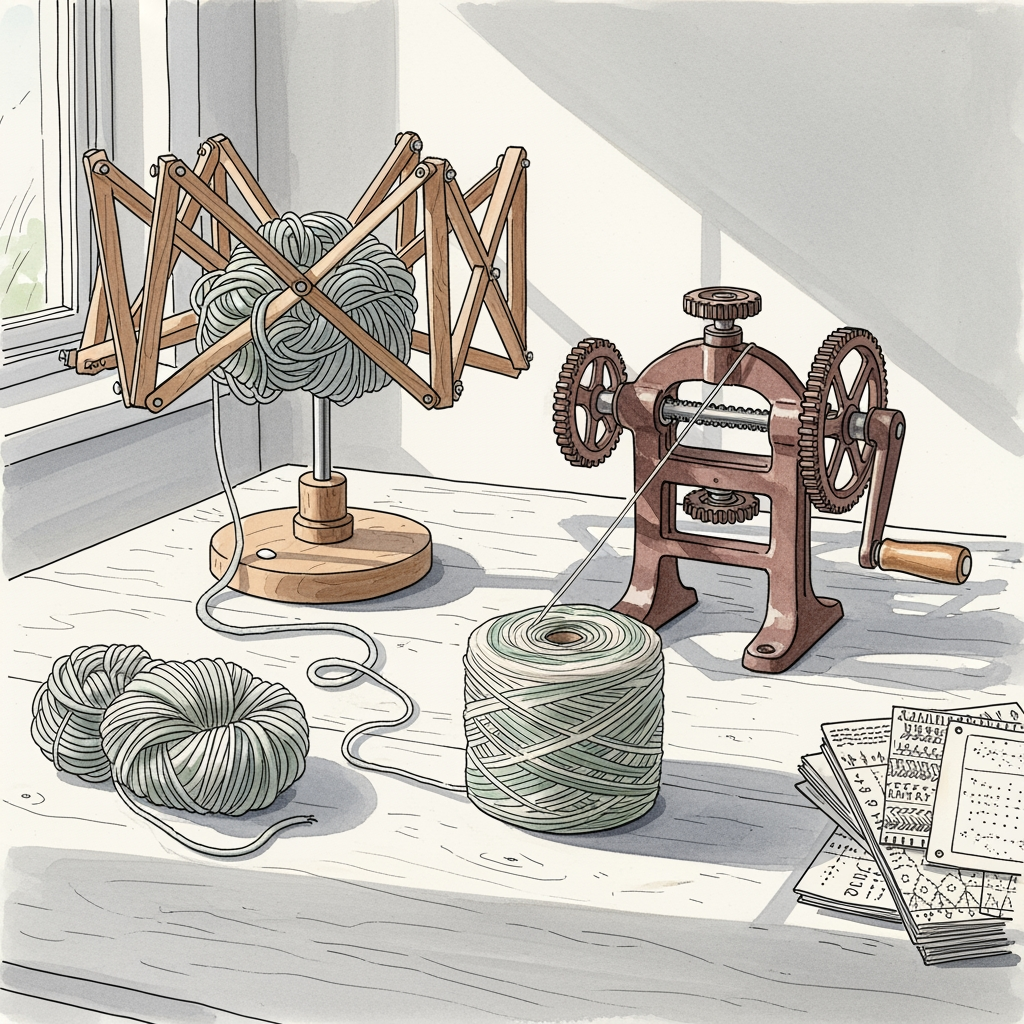
Transforming a tangled hank of yarn into a neat, center-pull cake is one of the most satisfying rituals in a knitter’s day. However, the wrong equipment can turn this meditative process into a frustrating struggle with tension and mechanical failure. Choosing the right winder is about finding a balance between physical ease and the structural integrity of your yarn. Here are the top workstations to ensure your fiber preparation is as smooth as your final stitch.
Stanwood Needlecraft Large Metal Ball Winder


This is the workhorse of the serious stash-builder’s studio. Its heavy-duty metal gears provide a level of durability that plastic alternatives simply cannot match, especially when you are winding large, 400-gram hanks of bulky wool.
The primary advantage here is the consistent tension control provided by the metal construction. Unlike lighter models that might wobble or skip under the weight of a heavy cake, the Stanwood stays grounded. It is an investment, but one that prevents the dreaded "yarn barf" that happens when a cake collapses mid-project.
If you frequently work with heavy-weight yarns or large-yardage hanks, the metal gears are worth the premium. You won’t find yourself constantly stopping to realign the spindle or tighten loose screws.
Knit Picks Yarn Winder: Best Budget Option
For the casual knitter or those just starting to build their own library of hanks, this winder is a reliable entry point. It is lightweight, portable, and gets the job done without requiring a significant financial commitment.
Because it is made of plastic, it is best suited for lighter fingering or DK weight yarns. If you try to force a thick, lofty alpaca yarn through this, you might notice the gears struggling or the base shifting on your table. It’s a tool designed for occasional use rather than daily production.
The bottom line is simple: it’s perfect for the knitter who buys one or two hanks at a time. Just be mindful of your winding speed, as pushing a budget winder too fast often leads to uneven cakes that tangle later.
Strauch Jumbo Ball Winder: Best Professional
When you are winding multiple hanks of lace-weight mohair or luxury silk, you need precision that doesn’t compromise the fiber’s loft. The Strauch is widely considered the gold standard for high-volume, professional-grade winding.
The sheer size of the cakes this machine produces is its defining feature. You can wind massive quantities of yarn into a single, stable structure, which is a lifesaver when you are working on a large sweater project and want to avoid constant color changes or knotting.
While the price tag is steep, the mechanical longevity is unmatched. If you are a prolific knitter who finishes several sweaters a year, this unit will pay for itself in saved time and frustration-free knitting sessions.
Lacis Yarn Ball Winder: Best Manual Choice
Sometimes, you want total control over the tension, and that is where a manual winder shines. The Lacis model allows you to pace your winding based on the specific elasticity of the fiber you are handling.
Manual winders are excellent for delicate, hand-dyed yarns that might snap if pulled too aggressively by an electric motor. By feeling the tension in your hands, you can adjust the speed to ensure that the yarn isn’t being stretched beyond its natural state.
This is the best choice for the knitter who values a tactile connection to their process. It’s also quieter than electric models, making it the perfect companion for a late-night winding session while the rest of the house sleeps.
Nancy’s Knit Knacks Heavy Duty Ball Winder

This winder is engineered for those who treat their yarn like a precious resource. It features a robust design that handles everything from fine lace to thick, rustic wools with equal grace.
The standout feature is the stability of the winding arm, which prevents the yarn from slipping off the top of the cake. This is a common issue with cheaper winders that can lead to a messy, tangled disaster.
If you are someone who keeps your yarn in center-pull cakes for long-term storage, this winder is an excellent choice. It creates a firm, uniform cake that won’t lose its shape or tension over months of sitting on a shelf.
ChiaoGoo Yarn Winder: Best Compact Design

Space is often at a premium in a knitter’s home, and the ChiaoGoo winder understands that. It is sleek, efficient, and designed to tuck away easily into a project bag or a small drawer when not in use.

Don’t let the compact size fool you; it is surprisingly sturdy for its footprint. It is ideal for the knitter who attends workshops or knitting circles and needs to bring their tools along without lugging around heavy equipment.
It is a fantastic "secondary" winder for quick tasks or small-yardage projects. While it might not be the choice for winding a 500-yard sweater quantity, it excels at handling those final few ounces of leftover yarn.
Ergonomic Setup Tips for Your Winding Station
Ergonomics isn’t just for your knitting needles; it applies to your prep work too. Always set your winder at a height where your shoulders can remain relaxed and your elbows are at a comfortable 90-degree angle.
- Elevate your work: Use a sturdy table that doesn’t shake, and ensure the winder is positioned so you aren’t hunching over.
- Maintain visibility: Ensure you have bright, natural light so you can spot any knots or imperfections in the yarn before they get wound into the center of the cake.
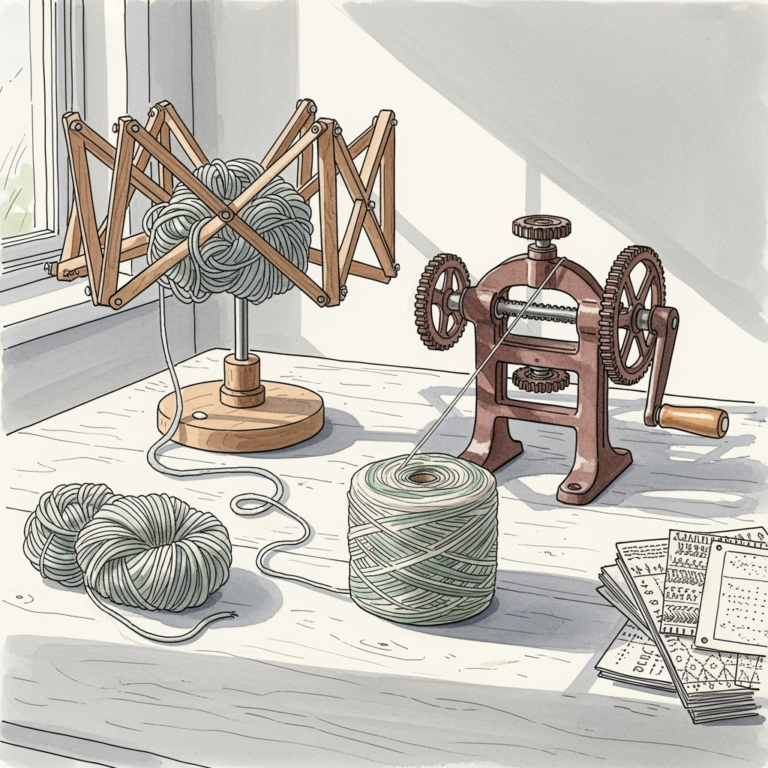
- Create a flow: Place your swift (the tool that holds the hank) at an optimal distance to maintain a gentle, consistent angle of entry into the winder.
Taking these steps prevents the repetitive strain that can occur during long winding sessions. Your hands and back will thank you when you finally pick up your needles to start the actual knitting.
Why Table Stability Matters for Yarn Winding
A winder is only as good as the surface it is clamped to. If your table wobbles, your tension will fluctuate, resulting in a cake that is loose in some areas and overly tight in others.
When a cake is wound unevenly, the yarn can snag or snap as you pull from the center. This is especially dangerous for delicate fibers like single-ply wool or fragile silk blends.
Always use a heavy, solid surface. If your table is too thin for your winder’s clamp, place a small piece of wood or a thick book between the clamp and the table to distribute the pressure and create a rock-solid base.
Maintaining Your Winder for Smoother Tension
A little bit of maintenance goes a long way in extending the life of your winder. Periodically check for stray fibers or dust that might have worked their way into the gears, as these can cause friction and uneven winding.
A tiny drop of light machine oil on the moving parts can make a world of difference in how smoothly the spindle rotates. Always wipe away any excess oil so it doesn’t transfer to your yarn, especially if you are working with light-colored, absorbent fibers.
Treat your winder like a sewing machine or a pair of high-quality scissors. A clean, well-lubricated tool will always produce a better result than one that is neglected.
Common Winding Mistakes and How to Avoid Them
The biggest mistake knitters make is winding too fast. High-speed winding creates friction, which can stretch out elastic fibers like superwash wool or nylon-blend sock yarn, leading to gauge issues later.
Another common error is failing to use a swift. Trying to wind from a loose pile on the floor or a chair back creates uneven tension and almost guarantees a tangle.
- Slow down: Let the winder do the work; don’t force it.
- Check your yarn: Always inspect the yarn for knots or breaks before you start.
- Remove the cake: Don’t leave your yarn in a cake for years; wind it only when you are ready to use it to keep the fiber’s memory fresh.
Investing in a quality winder is one of the most practical steps you can take to elevate your knitting practice. By choosing the right tool for your specific fiber needs and maintaining your workstation properly, you ensure that every project starts with a clean, stress-free foundation. Take the time to set up your space, respect the tension of your yarn, and enjoy the meditative rhythm of the winding process. Happy knitting!