7 Best Garment Bags For Wool Storage To Keep Moths Away
Protect your woolens with our top 7 garment bag picks. Discover breathable, moth-proof solutions designed to preserve your favorite knits for years to come.
We’ve all spent hundreds of hours hand-knitting a sweater, only to pull it out of the closet months later to find those heartbreaking, tiny moth holes. Protecting your hard-earned work requires more than just tossing a garment in a plastic bin; it requires breathable, secure storage. As someone who has spent decades curating a yarn stash and finished garment collection, I know that the right bag is the difference between a heirloom and a rag. Here are my top picks to keep your woolens safe, sound, and ready to wear.
Container Store Cedar-Lined Garment Bag: Best Overall


When you have invested weeks into a complex cabled sweater, you need a storage solution that feels as premium as your yarn. The cedar lining in this bag acts as a natural, aromatic deterrent for moths without the chemical smell of old-fashioned mothballs.
The construction is robust enough to hold the weight of a heavy, wool-rich Aran sweater without sagging. Because it combines a breathable fabric exterior with an active repellant, it offers the best balance of safety and longevity for your favorite knits.
If you are storing a collection of hand-knits that you rotate seasonally, this is the gold standard. It’s a bit of an investment, but compared to the cost of high-end wool, it’s cheap insurance.
Whitmor Breathable Hanging Garment Bag: Best Value
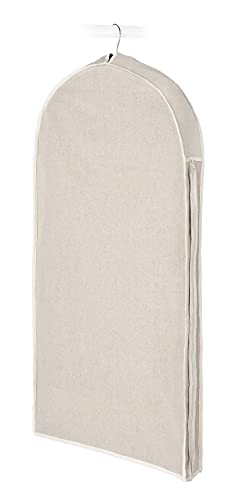
Sometimes you need to store a large volume of sweaters without breaking the bank. This bag is a workhorse that provides essential protection against dust and insects while remaining perfectly affordable.
The key here is the "breathable" aspect, which prevents moisture from getting trapped near your fibers. If you’ve ever pulled a sweater out of a plastic bag and smelled a faint hint of mildew, you know exactly why airflow is non-negotiable for protein fibers like wool and alpaca.
While the material is thinner than premium options, it does the job perfectly for items you wear regularly. It’s an ideal choice for the knitter who wants to organize a large closet on a budget.
Household Essentials Cedar-Fresh Bag: Best Protection

This bag stands out because it incorporates cedar panels directly into the design, maximizing the natural volatile oils that repel pests. For those who live in older homes or areas prone to moth activity, this extra layer of defense is invaluable.
The design is focused on creating a sealed but breathable environment that keeps your garments fresh. I always recommend this for items that won’t be touched for several months, such as heavy winter cardigans or lace-weight shawls that only come out for special occasions.
Just remember that cedar loses its scent over time. You can lightly sand the wood inserts to refresh the aroma, ensuring your wool stays protected year after year.
StorageWorks Cotton Canvas Garment Bag: Best Breathable

Natural fibers like cotton canvas are the best friends of wool. Unlike synthetic materials, cotton allows your hand-knits to "breathe," which is crucial for maintaining the loft and elasticity of your stitches.
If you have a sweater that is particularly fuzzy or delicate, this bag provides a soft, non-abrasive environment. It won’t snag on your yarn ends or pull at your gauge, which is a common problem with cheaper, rigid plastic alternatives.
I prefer this for long-term storage of high-quality wools, as it prevents the fibers from becoming compressed. It’s a simple, effective way to ensure your sweater looks just as good in the spring as it did when you cast off.
Misslo Heavy Duty Clear Garment Bag: Best Visibility

If you have a large library of knitwear, digging through opaque bags to find that one specific merino cardigan is a nightmare. This clear bag solves that problem while still providing the necessary protection from dust and pests.
The "heavy-duty" aspect is important because it won’t tear when you’re maneuvering it around your closet. It keeps your garments visible so you are more likely to wear them, which is actually the best way to prevent moth damage.
Moths love undisturbed, dark corners. By making your knitwear easy to see and access, you’re naturally encouraging the airflow and handling that keeps pests away.
Richards Homewares Breathable Bag: Best for Long Coats

Knitted coats or long, duster-style cardigans require extra length and structure. This bag is designed to accommodate longer garments without bunching them at the bottom, which is essential for maintaining the shape of your work.
The breathable material is excellent for long-term storage, ensuring that the hem of your coat doesn’t become damp or musty. It’s a specialized tool for those oversized projects that simply don’t fit in standard-sized storage solutions.
Always ensure your long knits are folded or hung carefully to avoid stretching the shoulders. A good bag is only as effective as the way you pack the garment inside it.
SpaceAid Hanging Garment Bag Set: Best Multi-Pack
For the knitter who is finally organizing their entire collection, a multi-pack is the most practical route. This set allows you to standardize your storage, which makes for a much neater and more manageable closet.
Having a set of matching bags makes it easier to track what is stored where. It also ensures that every single item in your collection has the same level of protection, rather than leaving some vulnerable while others are safe.
These are reliable, breathable, and easy to use. It’s a great way to commit to better fiber care without having to hunt down individual storage solutions for every piece you’ve ever knitted.
Why Breathable Fabrics Are Essential for Wool Care
Wool is a protein fiber that needs to breathe to maintain its natural resilience and moisture-wicking properties. When you seal wool in non-breathable plastic, you trap humidity, which creates a breeding ground for mold and mildew.
- Moisture Control: Breathable bags prevent condensation that can rot delicate fibers.
- Airflow: Proper circulation keeps natural oils in the wool from becoming rancid or stale.
- Pest Deterrence: Moths are attracted to stagnant, humid environments; airflow helps keep them away.
Always avoid airtight plastic bins for long-term storage. Your wool needs to exist in an environment that mimics the natural, airy conditions the sheep experienced in the pasture.
How to Properly Clean Sweaters Before Long Storage
Never, ever store a sweater that hasn’t been laundered. Even if you think it’s clean, microscopic traces of skin oils, food, or perfume are like a five-course dinner for moth larvae.
- Wash gently: Use a wool-specific wash that doesn’t require rinsing to avoid over-handling the garment.
- Dry flat: Always dry your sweaters on a flat surface to prevent the weight of the water from stretching the fabric out of shape.
- Inspect thoroughly: Check every inch of the sweater under good light for existing moth damage or loose ends that need weaving in.
- Complete drying: Ensure the garment is 100% dry; even a tiny amount of moisture can cause significant damage over a long winter.
Taking these steps before the garment goes into the bag is the most important part of the process. A clean sweater is a protected sweater.
Expert Tips for Preventing Moth Damage in Your Closet
The best defense against moths is a combination of good storage and regular maintenance. Moths hate being disturbed, so moving your garments around and wearing them frequently is your first line of defense.
- Frequent Rotation: Wear your hand-knits often; moths prefer garments that sit untouched for months.
- Scented Deterrents: Use lavender, cedar, or rosemary sachets inside your bags to repel insects naturally.
- Deep Cleaning: Vacuum your closet floor and shelves regularly to remove dust and hair, which provide food for moth larvae.
- Freeze It: If you suspect an infestation, place the garment in a sealed bag and freeze it for 48 hours to kill any eggs or larvae.
Don’t rely on just one method. Combine breathable storage with natural repellants and a regular cleaning schedule to keep your hand-knits safe for a lifetime.
Protecting your hand-knits is a labor of love that pays off every time you pull on a favorite sweater. By choosing breathable bags and following a strict cleaning routine, you ensure your work stays beautiful for years to come. Remember that your closet is not just a storage space, but a library of your knitting journey. Treat your garments with care, and they will keep you warm for decades.