6 Humidity Control Packs For Long Term Storage
Protect your valuables from moisture damage with our top 6 humidity control packs for long-term storage. Read our expert guide and choose the best protection today.
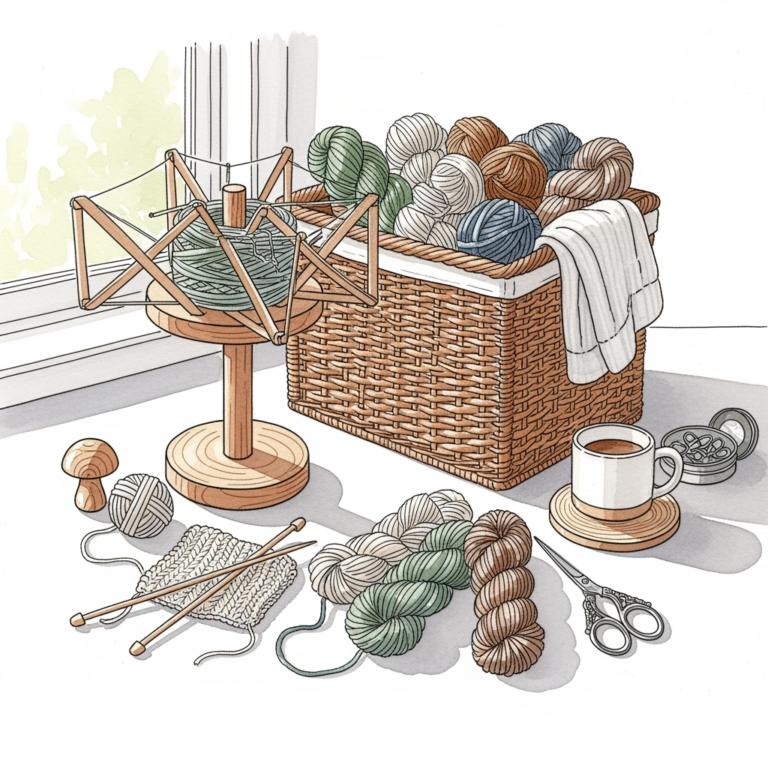
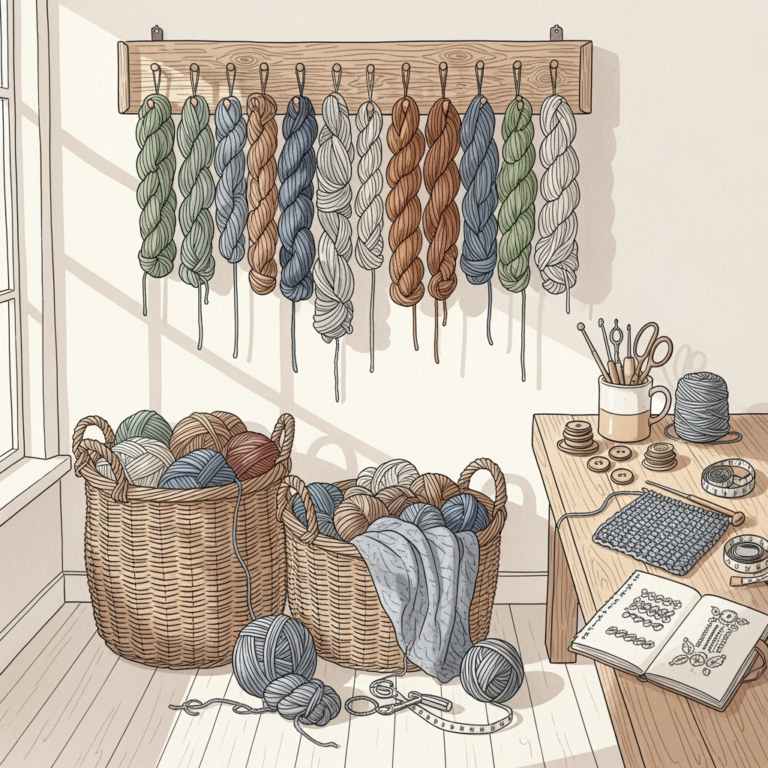
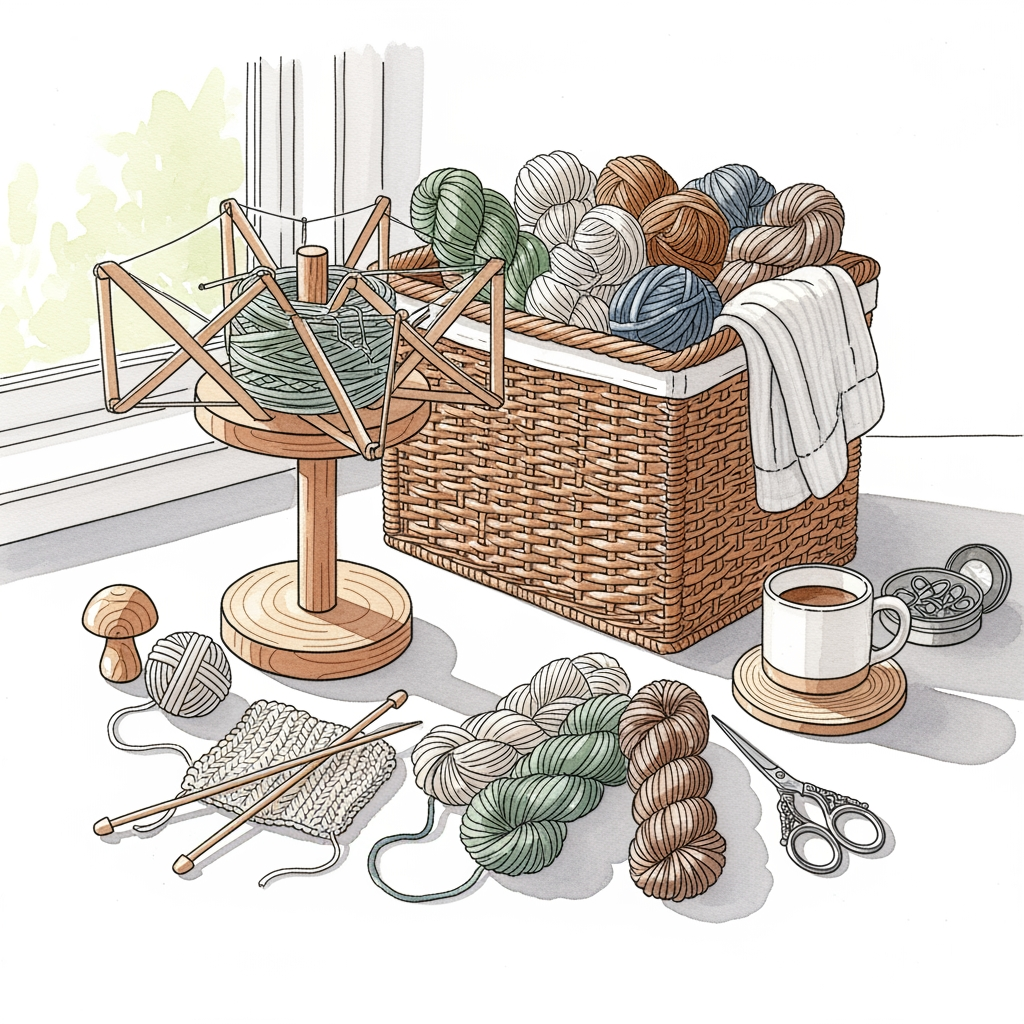
A sprawling yarn stash is the pride of any dedicated fiber artist, but improper storage can turn a collection of precious wool into a breeding ground for mildew or brittle fibers. Controlling the environment within your storage bins is the most effective way to ensure your hand-dyed merino or delicate silk remains in pristine condition for years. Humidity control packs offer a “set it and forget it” solution to stabilize the moisture levels surrounding your yarn. Choosing the right method depends on your storage volume, the local climate, and the specific composition of your fiber collection.
Boveda 62% RH: The Gold Standard for Stash Care


Boveda packs are widely considered the benchmark because they utilize a patented salt-and-water solution to create a precise two-way moisture exchange. When the ambient humidity inside your yarn bin is too high, the pack absorbs excess moisture; if it gets too dry, it releases moisture to keep the fibers supple.
This reliability is crucial for long-term storage of protein fibers like wool and alpaca, which can become brittle if exposed to extremely dry air. If you are storing heirloom-quality yarn for a future lace project, maintaining this consistent environment prevents the fibers from losing their natural elasticity and sheen.
These packs are best suited for smaller, airtight containers rather than large, drafty storage closets. For a standard 10-liter bin packed with skeins, two large Boveda packs will provide excellent stability without the risk of over-saturation.
Integra Boost 55%: Ideal for Delicate Fibers
Integra Boost packs function similarly to Boveda but operate at a slightly lower relative humidity of 55%. This lower threshold is often preferred for those living in naturally damp climates where the primary goal is to prevent mold spores from taking hold in yarn fibers.
Delicate fibers like silk or mohair blends can sometimes lose their “life” or become tacky if stored in environments that are too humid. By choosing the 55% option, you ensure the yarn stays protected from moisture-induced degradation while remaining soft and ready for the needles.
Keep in mind that these packs are strictly for maintenance, not for reviving severely damaged yarn. If your yarn has already developed a musty smell, wash it with a gentle wool wash and let it dry completely before sealing it away with a fresh pack.
Wisedry Reusable Packs: The Eco-Friendly Choice
Wisedry packs utilize silica gel beads that effectively trap moisture within a sealed container to keep the humidity level low. Unlike two-way control packs that adjust moisture up and down, these are strictly desiccants designed to pull humidity out of the air.
This makes them the superior choice for high-humidity climates where the primary threat to yarn is condensation and mildew. Since silica gel is highly efficient, these packs are excellent for long-term archival storage of synthetic blends or robust wools that do not require constant hydration to maintain their physical properties.
The main advantage here is sustainability, as these can be recharged in an oven or microwave once they reach capacity. Always place these in a mesh bag or a dedicated corner of your bin so the silica dust never comes into contact with the delicate plies of your yarn.
Dry & Dry Indicating Packs: Know When to Recharge
Dry & Dry packs take the guesswork out of maintenance by including an indicating agent that changes color when the pack is saturated. For a knitter with a massive stash stored in multiple tubs, the ability to see at a glance which containers need attention is a significant time-saver.
These are best deployed in containers holding yarns with high moisture sensitivity, such as hand-painted luxury bases that might bleed if exposed to fluctuating dampness. Being able to visualize the status of your moisture control system provides peace of mind that your investment is secure.
Avoid the temptation to ignore the color change, as a saturated pack will eventually stop protecting your fibers. Once the color shifts from orange to green, remove the pack immediately and move to the recharge phase to ensure your yarn stays dry and protected.
Everlong Desiccant Boxes: For Your Whole Closet

Everlong boxes are designed for larger volumes, making them perfect for those who dedicate an entire closet or a large shelving unit to their fiber stash. Instead of placing small packs between individual cakes of yarn, a box handles the moisture load for a significantly larger cubic footage.
If your knitting space is in a basement or a garage, moisture intrusion is a constant concern. These larger units are robust enough to create a safe zone that protects entire stacks of storage bins simultaneously.
Ensure that the closet or bin remains reasonably airtight for these to be effective, as a constant influx of outside air will exhaust the desiccant prematurely. Regularly check the indicator window on the box to ensure it is still actively drawing moisture away from your fiber collection.
Cedar Fresh Sachets: A Natural Fiber Protector

Cedar wood acts as a natural humidity regulator while simultaneously providing a mild, pleasant scent that acts as a mild deterrent for pests. While not a precision humidity control device, cedar is a time-honored tradition in the fiber arts for a reason.
Cedar works best when paired with airtight storage to concentrate the wood’s natural oils around the yarn. It is an excellent secondary measure to include alongside a desiccant pack for added protection against the moths that frequently target animal-fiber stashes.
Be cautious, as the scent of cedar can sometimes linger on wool, especially high-absorbency fibers like raw alpaca or soft merino. Always place the cedar sachet in a small cotton muslin bag to ensure the wood does not directly touch the yarn and potentially leave residue or oils.
Why Humidity Matters for Your Precious Yarn Stash
- Elasticity: Fiber that is too dry loses its spring, making it prone to snapping while winding or knitting.
- Mildew Prevention: Excess moisture encourages mold growth, which creates irreversible damage and odor.
- Pest Attraction: Insects like moths are attracted to moist, dark, and warm environments; controlling humidity reduces the appeal of your stash.
- Dye Stability: Fluctuating humidity can sometimes cause instability in certain natural dyes, potentially leading to dullness over time.
Ideal Humidity Levels for Wool, Cotton, and Silk
Generally, a relative humidity range of 50% to 60% is the “sweet spot” for most common fibers. Animal fibers like wool and silk are hygroscopic, meaning they naturally absorb and release moisture from the air to maintain a balance with their environment. If the air is too dry, the fiber loses its internal moisture and becomes brittle, which can negatively impact the drape of your finished sweater or shawl.
Cotton and other plant-based fibers are less sensitive to minor fluctuations but are highly susceptible to mildew if the humidity consistently exceeds 65%. Keeping your stash within the 50-60% range protects the structural integrity of the yarn without providing the environment necessary for mold or fungal growth.
2-Way Control vs. Desiccants: Which Do You Need?
The choice between a two-way control pack and a desiccant depends entirely on your local climate and your storage method. Use a two-way control pack (like Boveda) if you live in a moderate, dry, or fluctuating climate where you want to keep the yarn from becoming too brittle.
Use a desiccant (like Wisedry) if you live in a tropical or high-humidity coastal region where the primary danger to your yarn is moisture accumulation. A two-way pack will struggle to handle excessive moisture in a damp environment, while a desiccant will work harder to keep your bin bone-dry.
How to Recharge Your Reusable Desiccant Packs
Recharging is a straightforward process that restores the moisture-absorbing capacity of silica-based packs. Most reusable packets can be placed in an oven set to a low temperature—usually between 200°F and 250°F—for a few hours until the indicating beads return to their original color.
Alternatively, some manufacturers provide instructions for microwave recharging, which is much faster but requires strict adherence to timing to prevent melting the packaging material. Always allow the packs to cool completely before placing them back into your storage bins to prevent the residual heat from affecting your yarn.
Proper maintenance of your humidity control system is the final step in protecting your fiber investment. By regularly checking your packs and storage environment, you ensure that your yarn remains in prime condition until the exact moment you are ready to cast on.