7 Best Moth Repellents For Long Term Storage To Use
Protect your fabrics with these 7 top-rated moth repellents. This guide explores effective, long-term storage solutions to keep your clothes safe from pests.
Nothing breaks a knitter’s heart quite like pulling a hand-knit sweater out of storage only to find those telltale, tiny holes. Protecting your stash and finished objects requires a layered defense strategy that goes beyond simple folding. Whether you are safeguarding precious hand-dyed wool or a collection of vintage lace, the right repellent makes all the difference. Here are the most effective tools to keep your hard work safe from hungry pests.
CedarFresh Cedar Blocks: The Best Natural Option
Cedar is a classic for a reason, offering a clean, woody scent that naturally repels pests without the chemical residue of traditional mothballs. These blocks are ideal for tucking into drawers filled with wool socks or lightweight fingering-weight shawls.
The secret to cedar’s effectiveness is its aromatic oil. Over time, the scent fades, which is why I always recommend lightly sanding the blocks with fine-grit sandpaper every few months to "recharge" the wood.
Be mindful that cedar oils can occasionally leave marks on delicate fibers. Always wrap your blocks in a bit of tissue paper or a scrap of cotton muslin before placing them directly against your hand-knits to prevent oil transfer.
Enoz Moth Ball Packets: High-Potency Protection


When you are storing high-value items like hand-spun cashmere or heirloom wool blankets, sometimes you need the heavy-duty power of naphthalene or paradichlorobenzene. These packets are designed to create a vapor barrier inside a sealed container, effectively killing larvae and eggs.
Because these chemicals are potent, they must be used in strictly airtight environments. If you use them in a loose bin, the gas escapes, leaving your fibers vulnerable and your home smelling like a chemistry lab.
Always keep these away from direct contact with your yarn. The chemicals can degrade certain synthetic fibers or alter the hand-feel of delicate protein fibers if they are allowed to touch the fabric directly.
Household Essentials Cedar Balls: Closet Staples

These small, spherical cedar balls are perfect for distributing throughout a deep storage bin. Because they are compact, you can tuck them into the corners of bins or between layers of bulky sweaters where larger blocks might not fit.
I find these particularly useful for organizing stash yarn. When you are stacking skeins of worsted weight wool, these balls provide consistent, non-staining protection that doesn’t obstruct the way your yarn sits in the bin.
Remember that these are a preventative measure, not a cure. If you have an active infestation, these will not be enough to stop the damage, so ensure your items are clean before they go into storage.
Dr. Killigan’s Premium Moth Traps: Monitoring Tool

Think of these traps as your early warning system. They use pheromones to attract male moths, which helps you understand if you have a problem before the larvae start snacking on your favorite mohair blend.
Placement is everything; put these in your closet or near your storage area, but not directly inside the bin. You want to lure the pests away from your garments, not invite them into the same space as your yarn.
If you see a moth on a trap, don’t panic, but do act. It’s an indicator that you need to pull your stored items out, inspect them for damage, and potentially re-wash or freeze them to eliminate any hidden eggs.
MothPrevention Moth Decoys: The Proactive Choice
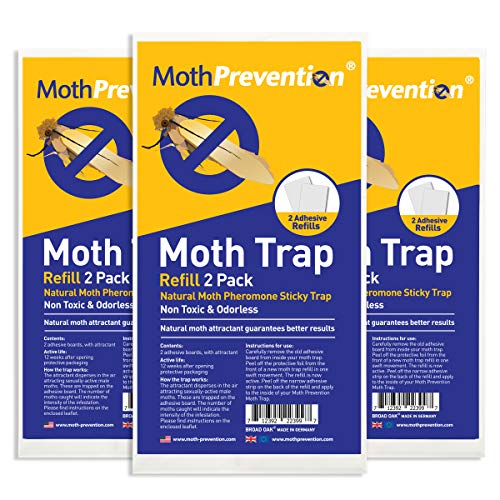
These decoys are a clever, non-toxic way to disrupt the breeding cycle of clothes moths. By mimicking the presence of other moths, they discourage pests from laying eggs in your storage area.
They are an excellent choice for knitters who are sensitive to the strong odors of cedar or chemical mothballs. They provide a "set it and forget it" solution that works well in closets or walk-in storage rooms.
Since they rely on visual and pheromone-based disruption, keep them in areas with good airflow. They are most effective when they aren’t buried under a mountain of heavy wool blankets.
LavinScent Lavender Sachets: Natural Deterrents

Lavender has been used for centuries to freshen linens and keep pests at bay. While it is a milder repellent than cedar or chemicals, it provides a lovely, calming scent that makes opening your storage bins a delight.
I suggest using these in combination with other methods. Use them for items that you wear frequently, as the scent is pleasant and won’t linger in an unpleasant way on your clothes like naphthalene might.
Be sure to buy high-quality, dried lavender sachets and replace them annually. If the scent is gone, the repellent properties are likely gone, too.
Whitmor Cedar Hanging Rings: For Garment Storage

If you store your finished sweaters on hangers rather than folded in bins, these cedar rings are indispensable. They slip easily over the neck of any standard hanger, providing a concentrated zone of protection right where the garment is most exposed.
They are perfect for heavy wool coats or hand-knit cardigans that you want to keep in rotation. Because they hang, they don’t take up any extra drawer space.
Just like the blocks, remember to sand them down once a season. It’s a small bit of maintenance that ensures your favorite hand-knit cardigan stays hole-free for years to come.
How to Properly Clean Textiles Before Long Storage
Moths are attracted to the proteins in wool, but they are even more attracted to the trace amounts of skin cells, oils, and food particles left on garments. Never store a sweater you have worn, even once, without washing it first.
- Follow the fiber care label: Hand wash in cool water with a gentle wool wash.
- Dry completely: Moisture is the enemy; ensure your knits are bone-dry before sealing them away.
- Avoid fabric softeners: They can leave a residue that moths may actually find appealing.
If you are dealing with a delicate item that cannot be washed, consider placing it in the freezer for 48-72 hours. This is a highly effective way to kill any eggs or larvae that might be hiding in the fiber structure.
Essential Tips for Airtight Storage Containers
The best repellent in the world won’t save your yarn if your storage container has gaps. Moths are incredibly small and can squeeze through surprisingly tight spaces to reach a food source.
- Choose plastic over cardboard: Cardboard boxes can harbor eggs in their seams and are not airtight.
- Use locking lids: Look for bins with rubber gaskets that create a true seal.
- Label your bins: Knowing what is inside prevents you from opening them unnecessarily and breaking the seal.
If you are using vacuum-seal bags, be very careful. While they save space, they can crush the loft of your yarn or delicate stitch patterns, making it difficult to "re-bloom" the wool when you finally take it out.
Understanding the Lifecycle of Clothes Moths
The damage to your knitting is caused by the larvae, not the adult moths you see fluttering around the light. These larvae need protein to grow, which makes your wool, silk, and angora their primary targets.
The lifecycle can be as short as a few months or as long as a year, depending on the temperature and humidity of your home. They thrive in dark, undisturbed, and slightly humid environments—exactly the conditions found in most closets.
By keeping your storage area cool and dry, you make it a less hospitable environment for them to thrive. Regular rotation and inspection of your stash are the most effective ways to stay ahead of these persistent pests.
Protecting your hand-knits is a labor of love that pays off every time you reach for a sweater in the middle of winter. By combining proper cleaning, airtight storage, and the right repellents, you can ensure your hard work remains pristine. Stay vigilant, keep your stash clean, and enjoy your beautiful creations for years to come.