7 Best Breathable Bags For Long-term Storage
Protect your belongings from moisture and mold. We explore the 7 best breathable storage bags designed to keep items fresh and safe during long-term storage.
After spending decades curating a stash of hand-dyed wools and heirloom-quality lace projects, I’ve learned that how you store your work is just as important as the gauge you choose. Airflow is the secret weapon against the dreaded felted-together mess or the subtle, musty scent of stagnant closets. Choosing the right vessel ensures your fibers remain vibrant and structurally sound for years to come. These seven options prioritize the breathability that natural fibers desperately need to survive long-term storage.
Container Store Cotton Zippered Storage Bags


Cotton is the gold standard for long-term textile storage because it allows fibers to "breathe" while keeping dust at bay. These bags are particularly excellent for those of you hoarding precious skeins of hand-spun wool or finished sweaters that aren’t currently in rotation.
The soft, natural weave prevents the moisture buildup that often occurs in plastic bins. If you’ve ever opened a plastic tub only to find your alpaca yarn feeling slightly damp or smelling like trapped air, you’ll immediately appreciate the difference here.
While these bags are fantastic for organization, they aren’t airtight, which means they won’t stop a determined moth. Use these for your "safe" stash—the items you’ve already treated or stored in a clean, cedar-protected environment.
Whitmor Breathable Garment Cover Set
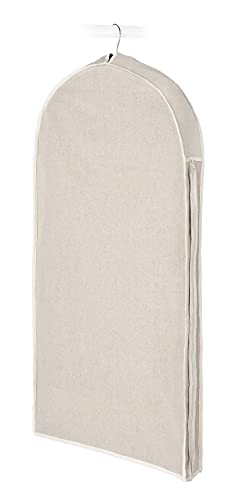
When you have a long, intricate lace shawl or a heavy cabled coat that shouldn’t be folded for months on end, these garment covers are a lifesaver. Hanging your knits helps maintain their shape, though you must be careful about gravity’s pull on heavier garments.
The thin, breathable fabric allows air circulation while acting as a physical barrier against dust bunnies and debris. Because they are transparent, you can easily identify which project is inside without unzipping the bag and exposing your fibers to the open air.
Be mindful that hanging knits can cause them to grow or distort over time. If your garment is heavy, I suggest draping it over the hanger bar rather than using the shoulders to avoid those unsightly "hanger bumps" at the top of your sleeves.
Household Essentials Cedar-Lined Storage Bag

Cedar is a classic, time-tested deterrent for pests that love to feast on protein fibers like wool, silk, and cashmere. These bags combine the structural benefits of a breathable fabric with the natural, aromatic protection of cedar panels.
The scent is lovely, but it’s the natural oils in the wood that do the heavy lifting. Over time, the smell will fade, so remember to lightly sand the cedar panels once a year to refresh the scent and keep the protection active.
Don’t let the cedar touch your delicate white fibers directly, as the natural oils can occasionally leave a faint residue. Place a thin layer of acid-free tissue paper between the wood and your yarn to ensure total peace of mind.
StorageWorks Breathable Fabric Storage Bin

These bins are the workhorses of the knitting room, perfect for stacking multiple folded projects or organizing your stash by fiber content. I love using these to separate my superwash yarns from my non-superwash wools, as it makes finding the right yarn for a quick project much easier.
The fabric construction is sturdy enough to hold its shape, yet porous enough to prevent the "suffocation" of natural fibers. This is critical if you live in a humid climate where trapped moisture can lead to mildew on organic materials.
Because these are open-topped or have simple lids, they are best kept on shelves inside a closet. They provide excellent airflow, but they aren’t the best choice if you are storing your stash in a dusty attic or a drafty basement.
Richards Homewares Breathable Sweater Bag

If you have a collection of hand-knit sweaters that you only pull out during the deepest winter months, these bags are a perfect fit. They are sized specifically for folded garments, keeping them neat and protected from the friction of other items in your closet.
The material is lightweight and provides just enough protection to keep your handiwork pristine. It’s a simple, no-nonsense solution that keeps your sweaters from getting snagged on other clothing items or hangers.
The trade-off here is the lack of rigidity; these bags won’t protect your sweaters from being crushed if you stack heavy items on top of them. Keep these on the top of your stack, or use them as a single layer on a closet shelf.
MaidMAX Large Breathable Fabric Organizers

These organizers are incredibly versatile, offering a clear window to see exactly what you’ve stored inside. For the knitter with a large stash of leftover yarn from various projects, these are a dream for keeping things sorted by color or weight.
The fabric is highly breathable, which is essential for ensuring your yarn doesn’t develop that stale, "old attic" smell. I find these particularly useful for storing finished accessories like hats, mittens, and cowls that are waiting for the next gift-giving season.
Always ensure your yarn is completely dry before placing it inside. Even a tiny bit of residual moisture from a damp blocking session can lead to trouble, so let your finished knits air-dry for at least 48 hours before tucking them away.
Budding Joy Breathable Clothing Storage
This option offers a balance of durability and airflow, making it a great choice for long-term storage of heavy blankets or large afghans. When you spend months working on a complex pattern, you want a storage solution that feels secure and substantial.
The reinforced handles are a nice touch, especially when you need to move a heavy container of yarn from one side of the room to the other. It’s a practical, utilitarian choice that doesn’t sacrifice the health of your fibers.
Like many fabric-based storage solutions, these shouldn’t be placed directly on the floor. Keeping your stash elevated on a shelf or rack is the best way to ensure air continues to circulate underneath the bag, preventing any potential moisture issues.
Why Breathable Storage Matters for Natural Fibers
Natural fibers like wool, alpaca, and silk are organic materials that need to "breathe" to maintain their structural integrity. When you seal these fibers in airtight plastic, you create a micro-environment that can trap humidity, leading to mold or mildew.
Furthermore, natural fibers are sensitive to temperature fluctuations. Breathable storage allows your yarn to acclimate gradually to the environment, preventing the stress that rapid expansion and contraction can cause to the fiber’s cuticle.
Think of your yarn stash like a living collection. By choosing breathable storage, you are respecting the nature of the fiber and ensuring that your hard work remains as lofty and soft as the day you cast off.
How to Properly Clean Textiles Before Storing
Never store a project that hasn’t been laundered, even if you think it’s clean. Tiny traces of skin oils, food particles, or even the natural sweat from your hands can attract pests and discolor your yarn over time.
- Hand wash gently: Use a wool-specific wash that is pH neutral.
- Rinse thoroughly: Ensure all soap residue is gone, as it can attract dust and pests.
- Dry completely: Use a fan or a well-ventilated area to ensure the center of the garment is bone-dry.
Always check your project for any loose ends or snags before putting it away. It’s much easier to weave in an end or fix a small dropped stitch now than it is to discover a structural issue after six months in storage.
Essential Tips for Preventing Moth Infestations
Moths are the sworn enemy of every knitter, and they are particularly attracted to dirty or stored wool. The most important rule is to keep your storage area clean, dark, and cool, as moths thrive in warm, undisturbed environments.
- Rotate your stash: Periodically take your items out, shake them, and inspect them for any signs of damage.
- Use natural repellents: Lavender sachets or cedar blocks are effective, but they must be replenished regularly.
- Seal the room: If you have a dedicated closet, consider weather-stripping the door to keep pests out.
If you suspect you have an infestation, place the affected items in a sealed plastic bag and put them in the freezer for at least 72 hours. This extreme temperature shift will kill eggs and larvae without damaging the delicate fibers of your knitting.
Storing your hand-knits correctly is the final step in the creative process, ensuring your work lasts for generations. By prioritizing airflow and cleanliness, you protect your investment of time and expensive materials from the elements. Treat your stash with care, and it will remain a source of inspiration for years to come. Happy knitting, and may your shelves always be full of beautiful, well-preserved fiber.