7 Best Garment Bags for Moth Prevention to Use
Protect your wardrobe with our top 7 garment bags. Discover breathable, moth-resistant options designed to keep your clothes safe, clean, and pest-free.
There is nothing more heartbreaking than pulling your favorite hand-knit sweater out of storage only to find tiny, moth-eaten holes in the center of the yoke. Over my two decades of knitting, I’ve learned that protecting your fiber investment is just as important as choosing the right yarn for a project. The right storage solution isn’t just about keeping dust off your knits; it’s about creating a fortress against pests. Here are the best garment bags I’ve found to keep your heirloom pieces safe and ready to wear.
Whitmor Breathable Garment Bags: Best Overall Pick
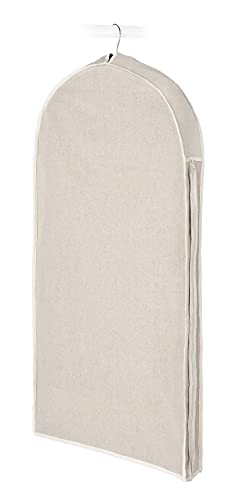

These bags are a staple in my closet because they balance airflow with protection. When you spend forty hours hand-knitting a complex cable sweater, you need a bag that allows the fibers to "breathe" while keeping the environment sealed enough to deter moths.
The fabric is lightweight, which makes it easy to see what’s inside without unzipping every single bag. This is a huge time-saver when you have a large collection of hand-knits and need to find that specific wool cardigan for a chilly morning.
However, because the fabric is thin, it isn’t the most durable option for heavy-duty travel. Use these for your seasonal closet rotation where your knits can hang undisturbed and protected from dust and debris.
Household Essentials Cedar-Lined Storage Bags

Cedar is a classic, time-tested repellent that every knitter should utilize. These bags incorporate cedar panels directly into the design, providing a natural scent that moths absolutely despise.
If you are sensitive to synthetic chemical mothballs, this is your best path forward. The cedar provides a gentle, woody aroma that keeps your woolens smelling fresh rather than like a sterile laboratory.
The trade-off here is that the scent will eventually fade over time. You will need to lightly sand the cedar inserts every season to "re-activate" the oils, which is a small price to pay for natural protection.
StorageWorks Hanging Garment Bags for Knitwear
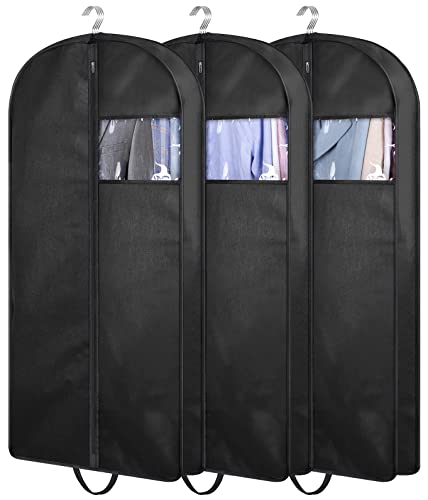
If your closet is packed tight, you need a bag that doesn’t add unnecessary bulk. These bags are specifically designed to hang vertically, which is crucial for preventing the shoulder distortion that can happen if you store heavy sweaters on hangers for too long.
I recommend these for your lighter-weight garments, like lace-weight shawls or fine merino tees. Because they are structured, they maintain their shape well and keep your garments from rubbing against other pieces in the closet.
Just be sure to fold your heavier sweaters over the hanger bar to prevent stretching. Even the best bag can’t stop gravity from pulling at a heavy, wet-blocked wool garment if it’s hung by the shoulders.
Misslo Breathable Fabric Bags for Wool Sweaters

These bags are excellent for knitters who prioritize softness and flexibility. They are made from a non-woven fabric that feels gentle against delicate fibers like cashmere or angora, which can sometimes snag on rougher synthetic storage materials.
They feature a full-length zipper, which makes it incredibly easy to get your garments in and out without stretching the neckline. This is vital for those of us who spend hours perfecting a bind-off; you don’t want to ruin your hard work during the storage process.
Keep in mind that these bags are not airtight. They are perfect for moth prevention when paired with a secondary repellent, but they won’t stop a determined moth if your closet is already infested.
Richards Homewares Heavy-Duty Mothproof Bags

When you are storing high-end fibers like alpaca or silk-blend yarns, you want a bit more security. These heavy-duty bags provide a tighter seal than standard breathable bags, offering a more robust barrier against pests.
They are built to last, which means you won’t be replacing them every year. If you have a collection of heirloom-quality sweaters that you only wear on special occasions, these provide the extra layer of protection they deserve.
Because they are less breathable than cotton or non-woven bags, be absolutely certain your knits are 100% clean and dry before storing them. Any residual moisture or skin oils will be trapped inside, which can lead to mildew.
Zober Garment Bags for Long-Term Fiber Storage
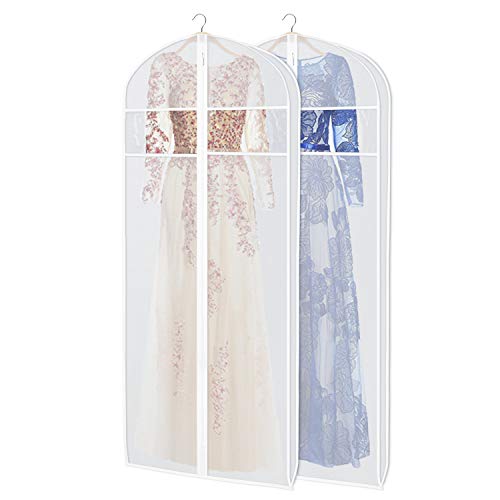
Long-term storage requires a different approach than just putting a sweater away for the summer. These bags offer a high-quality zipper and a sturdy construction that keeps your most precious projects safe for years.
I prefer these for storing finished projects that I’m not currently wearing but don’t want to sell or gift. They keep the fibers compressed enough to save space but loose enough to prevent the "crushing" effect that can ruin the loft of a beautiful wool yarn.
The clear window is a nice touch, allowing you to identify your projects without opening the bag. It’s a simple feature, but it keeps the internal environment undisturbed.
Onlyeasy Cotton Canvas Bags for Natural Fibers
If you prefer natural materials for your storage, cotton canvas is the gold standard. It is highly breathable, which is the most important factor in preventing the moisture buildup that attracts silverfish and moths.
These bags are sturdy and provide a great barrier against dust. Since they are made of natural fibers, they feel like a natural extension of the wool they are holding.
They do require a bit more maintenance as they are not as "slick" as synthetic bags. Make sure you check them periodically for any signs of dust accumulation, as natural fibers can sometimes attract more debris than plastic-based bags.
Why Breathable Fabrics Prevent Moth Infestations
Moths are attracted to dark, damp, and undisturbed environments. If you seal your wool in plastic, you trap moisture and humidity, which creates a breeding ground for pests.
Breathable fabrics allow for airflow, which keeps the environment dry. Moths generally avoid environments with good air circulation, making your knits much less appealing to them.
- Avoid plastic bins: They trap moisture and can lead to yellowing or mildew.
- Prioritize airflow: Natural fibers need to breathe to maintain their structure.
- Regular inspection: No bag is 100% mothproof, so check your items twice a year.
Essential Tips for Preparing Knits for Storage
Never, ever store a sweater that has been worn, even for an hour. Moths are attracted to the microscopic traces of skin cells, sweat, and perfume left behind on the fibers.
Always wash your knits according to the fiber content before storing them. If you’ve used a superwash wool, make sure it’s completely dry, as these fibers can hold more water than you realize.
- Clean first: Wash every item before it goes into a bag.
- Fold, don’t hang: Gravity is the enemy of a well-blocked sweater.
- Label everything: Use tags to note the fiber content and the last wash date.
Natural Moth Repellents to Use Inside Your Bags
While garment bags are your first line of defense, adding a repellent provides a secondary layer of security. Cedar chips or blocks are the most reliable, but you must refresh them regularly.
Dried lavender is another excellent option that smells wonderful and acts as a natural deterrent. I like to sew small sachets of dried lavender to tuck into the pockets of my sweaters before bagging them.
- Cedar: Best for long-term, woody protection.
- Lavender: Adds a pleasant scent and mild repellent properties.
- Cloves: A strong, spicy alternative if you dislike floral scents.
Protecting your hand-knits is a labor of love that ensures your hard work lasts for generations. By choosing the right garment bag and following a consistent cleaning routine, you can keep those pesky moths at bay for good. Remember, the best storage solution is one you actually use consistently, so pick the style that fits your closet and your lifestyle. Happy knitting, and may your stash remain forever hole-free.