7 Best Clay Calipers For Measuring Dimensions To Use
Find the perfect tool for your projects with our guide to the 7 best clay calipers for measuring dimensions. Read our expert reviews and shop your choice today.
Precision is the difference between a garment that fits perfectly and one that sits at the bottom of a project bag. Whether checking the diameter of a hand-spun yarn or verifying the exact size of a vintage button, a reliable set of calipers is an essential tool for the serious maker. Accurate measurements prevent the guesswork that often leads to mismatched gauge or hardware that doesn’t fit a finished buttonhole. Choosing the right tool depends on whether the priority is rugged durability or absolute, repeatable digital precision.
iGaging ABSOLUTE ORIGIN: Best Overall Value


The iGaging ABSOLUTE ORIGIN is a standout because it avoids the common digital frustration of “resetting to zero” every time the device is powered on. For knitters who frequently switch between measuring WPI (wraps per inch) and checking needle diameters, this feature saves significant time during a project’s setup phase.
Its construction is robust, offering a metal frame that resists the bending often found in cheaper alternatives. This rigidity is critical when pressing against fibrous materials like yarn, as it ensures the jaw pressure remains consistent across multiple measurements.
While it lacks the ultra-premium price tag of industrial-grade tools, it performs well above its cost bracket. It is the ideal middle-ground for the knitter who wants high-accuracy tools that won’t require a constant battery cycle or recalibration.
Mitutoyo 500-196-30: The Professional’s Pick

Mitutoyo is the gold standard in machine shops and engineering labs for a reason. These calipers provide a level of repeatability that is unmatched, making them the superior choice for high-stakes projects like precision-fitting hardware for hand-knitted bags or complex lace blocking frames.
The build quality is exceptional, featuring hardened stainless steel that withstands years of heavy use without developing “slop” in the sliding mechanism. When measuring delicate items like rare fiber samples or vintage knitting notions, the movement is smooth and free of the jerky resistance found in lesser tools.
The investment is higher, but the lifespan of this tool is measured in decades rather than months. If the priority is absolute, iron-clad consistency for every project, this is the final caliper that needs to be purchased.
Neiko 01407A Digital Caliper: Best Budget Buy
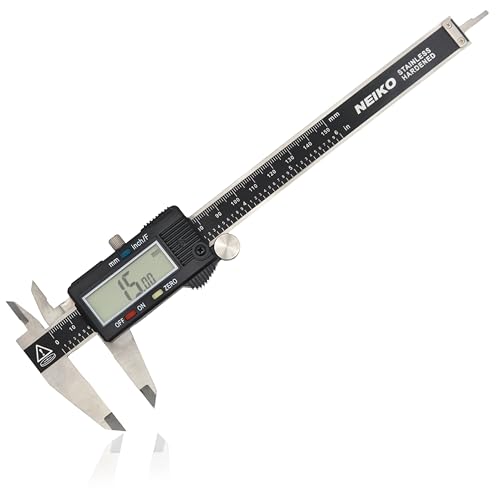
For the knitter who keeps a caliper strictly to confirm button sizes or verify the gauge of needles occasionally, the Neiko 01407A is a practical and economical solution. It provides clear, easy-to-read digital output that eliminates the need to squint at fine hash marks.
The stainless steel construction provides a satisfying heft, though it does not possess the same micro-precision as more expensive professional brands. It is perfectly adequate for measuring the diameter of a wooden button or checking the thickness of a circular needle cable.
Avoid using this tool for high-precision technical work where thousandths of an inch are critical. For standard knitting applications, however, it performs its duty reliably without breaking the bank.
General Tools Fractional Caliper: Top Analog Pick
Some makers prefer the visual intuition of an analog scale over the blinking numbers of a digital display. The General Tools Fractional Caliper displays measurements in common fractions, which aligns perfectly with how most knitting patterns and needle sizes are labeled.
Analog calipers are immune to the battery failures and electronic glitches that can plague cheaper digital models. They are always “on” and ready to use, which is a significant advantage when hands are covered in lint or wool fibers.
The trade-off is that these require a bit more practice to read accurately compared to a digital screen. For the traditionalist who values simplicity and reliability, this tool remains a staple in the craft room.
SE 6″ Plastic Caliper: Safest For Delicate Work
Plastic calipers occupy a niche role, particularly when working with soft or marring-prone materials. If there is any concern about scratching a polished resin button or compressing a delicate mohair yarn structure too heavily, the non-marring surface of a plastic caliper is the solution.
These tools are incredibly lightweight, making them easy to toss into a project bag without adding significant bulk. Because they are non-conductive and softer than metal, they won’t damage the finish on high-end custom knitting needles.
They are not as precise as their metal counterparts and should not be used for tasks requiring extreme mechanical accuracy. Use them for general sizing tasks where caution regarding material finish is the primary concern.
KEM-KSP Dial Caliper: For Old-School Precision
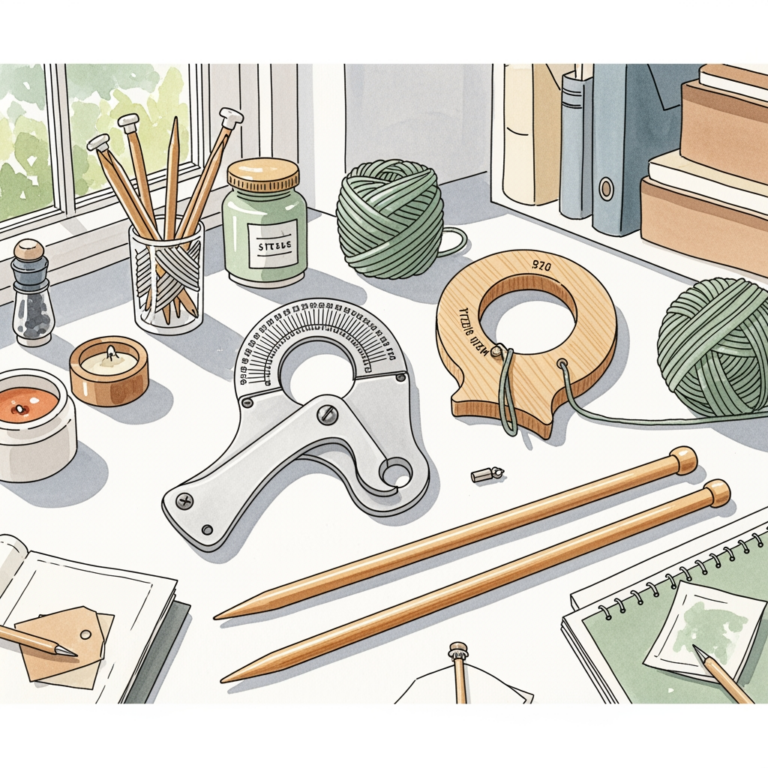
Dial calipers provide a tactile experience that many makers find superior to both digital and purely analog models. The large, clear dial allows for quick reading at a glance, which is helpful when you are in the middle of a marathon knitting session and need a fast measurement.
The rack-and-pinion movement inside a high-quality dial caliper is incredibly responsive. It allows the knitter to feel the exact moment the jaws make contact with the yarn or object, preventing the “over-tightening” that leads to inaccurate gauge readings.
Maintenance is key here, as the internal gears must be kept free of dust and fiber debris. With regular care, these tools offer a level of visual feedback that makes precise measuring almost intuitive.
Fowler Xtra-Value Caliper: A Solid Runner-Up
The Fowler Xtra-Value line provides a consistent, reliable experience for those who want a digital tool that isn’t at the very bottom of the quality tier. It bridges the gap between budget hobbyist tools and high-end professional equipment with surprising effectiveness.
The display is crisp and the sliding mechanism is adequately dampened, preventing the annoying drift common in the cheapest digital calipers. It is a workhorse tool that will handle daily tasks, such as measuring yarn wraps to determine weight, with ease.
It is highly recommended for the intermediate knitter who has outgrown basic measuring tapes but isn’t ready to invest in industrial-grade gear. It offers a great balance of feature set and long-term durability.
How to Choose the Right Caliper for Your Craft
Selecting the right tool starts with understanding the scale of the work. For measuring needle sizes or button diameters, a caliper with a 6-inch range is the standard. Anything larger is usually unnecessary and cumbersome for a knitting kit.
Consider the environment in which the tool will be used. A workshop with metal shavings requires a tool with an IP54 or higher rating to resist dust and moisture, whereas a clean, dedicated knitting corner can easily accommodate a standard, unprotected digital unit.
Look for tools that offer clear switching between inches and millimeters. Knitting patterns frequently use both measurement systems, and a tool that does the conversion automatically prevents frustrating manual calculations.
Digital vs. Dial Calipers: Which One Is for You?
Digital calipers provide the most straightforward, error-free readings. They are excellent for knitters who want a quick, “set-it-and-forget-it” measurement, particularly when dealing with small, non-standard needle sizes that don’t match traditional sizing charts.
Dial calipers, however, offer a level of mechanical feedback that digital models lack. They allow the user to see the measurement approaching the mark, which helps in identifying subtle variations in yarn thickness or tension across a strand.
If you struggle with eye fatigue or poor lighting, digital is the clear winner for its bright, legible numbers. If you value a tool that requires no batteries and has a timeless, mechanical appeal, the dial caliper will be the more rewarding purchase.
Using Calipers to Measure Yarn & Button Sizes
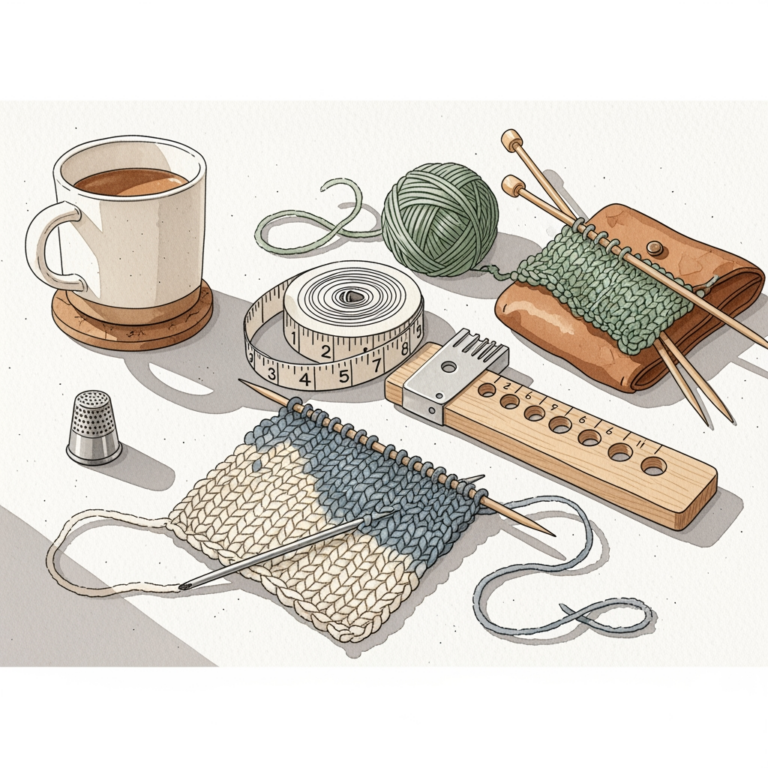
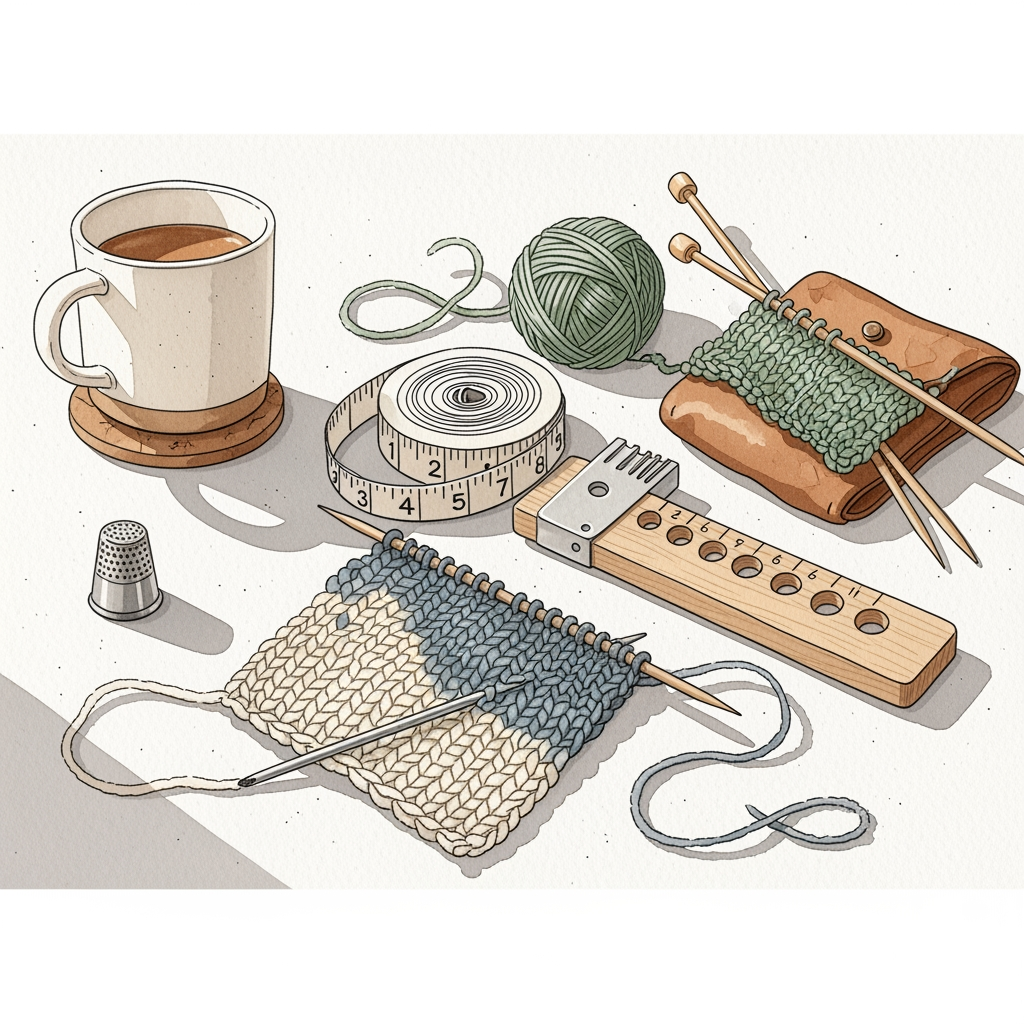
Measuring WPI (wraps per inch) is the most common use for calipers in the fiber arts. Wrap the yarn around the depth-rod or the body of the caliper jaws without compressing the fibers, then measure the width of the wraps to determine the appropriate weight of the yarn.
For buttonholes, use the external jaws to measure the diameter of the button, then add a tiny amount of “ease”—usually 1-2mm—to ensure the button slips through the knitted fabric without stretching the stitches. This level of planning prevents the dreaded gap-toothed buttonhole effect.
Always measure the thickest part of a textured or hand-spun yarn to get a true sense of the yarn’s weight. By accounting for the widest section, you ensure that the needle size chosen will accommodate the bulk of the yarn throughout the entire project.
A reliable caliper is more than just a measurement tool; it is a bridge between a design concept and a successful finished garment. By investing in the right equipment, you eliminate the uncertainty of sizing and ensure your hard work results in a professional-looking project. Keep your tool clean, protect the jaws from unnecessary impact, and you will have a faithful companion for your next decade of knitting.