6 Best T-pins For Blocking Delicate Wool To Use
Blocking delicate wool requires the right tools. Discover our top six T-pin picks to ensure your knits maintain their shape without snagging or rusting.
Blocking is the final, transformative step that turns a collection of stitches into a professional-looking garment. While many knitters obsess over needle materials, the humble T-pin is the unsung hero that dictates the final shape and drape of your woolens. Choosing the right pin ensures your delicate fibers remain pristine and your edges stay perfectly aligned. Here is my guide to selecting the best T-pins for your blocking arsenal.
Clover T-Pins: Best Overall for Delicate Wool


When you spend weeks on a lace shawl, you need a pin that won’t snag the delicate yarn fibers. Clover T-pins are renowned for their smooth, burr-free finish, which is essential when working with fragile singles or loosely plied wool.
These pins feature a consistent gauge that slides easily through blocking mats without leaving gaping holes. They strike the perfect balance between stiffness and flexibility, ensuring they hold their shape under the tension of a large, wet project.
If you are a frequent blocker, this is the gold standard for reliability. They are a staple in my own kit because they simply do the job without fuss.
Knitter’s Pride Stainless Steel T-Pin Set

Stainless steel is a non-negotiable feature for those of us who block lace projects that require long drying times. Knitter’s Pride offers a set that resists the oxidation that can occur when metal sits in damp wool for days.
These pins are slightly thinner than standard hardware-store varieties, making them ideal for delicate lace where you don’t want to distort the stitch count. The T-head is easy to grip, even if your hands are tired after a long knitting session.
Be aware that because they are thinner, they can bend if you try to force them into a very dense blocking board. Use them for their intended purpose—precision—and they will last a lifetime.
Dritz Extra-Long T-Pins for Thick Projects
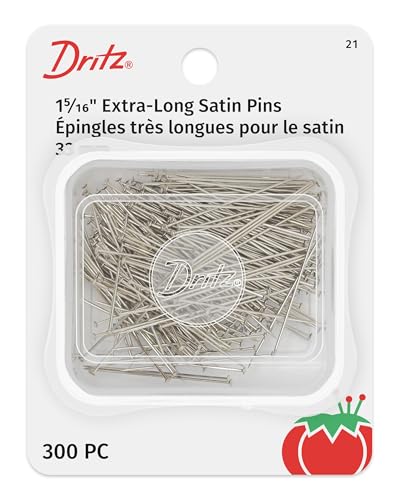
Sometimes, you aren’t blocking a delicate lace shawl, but a heavy, cabled wool sweater that requires serious anchoring. Dritz extra-long T-pins provide the reach needed to secure multiple layers of fabric.
Their increased length allows you to pin through thick seams or folded hems without the pin popping out. This is a lifesaver when you are trying to coax a stubborn, heavy wool into shape after a soak.
They are robust, but I advise caution: the extra length makes them prone to bending if you aren’t careful with your angle of insertion. Keep these for your heavy-duty projects, not your fine lacework.
Singer Nickel-Plated T-Pins for Precision

Singer has been a household name in sewing for generations, and their nickel-plated T-pins are a solid, affordable choice for the knitter on a budget. The nickel plating provides a smooth surface that glides through most wools without resistance.
These pins are particularly useful for blocking smaller items like mittens or baby hats where you need to pin in tight, intricate curves. The heads are secure and don’t snap off, which is a common failure point in cheaper alternatives.
However, keep in mind that nickel plating can eventually wear down. If you notice any signs of the plating flaking off, retire those pins immediately to avoid potential snags on your fiber.
Susan Bates Rust-Resistant Blocking Pins
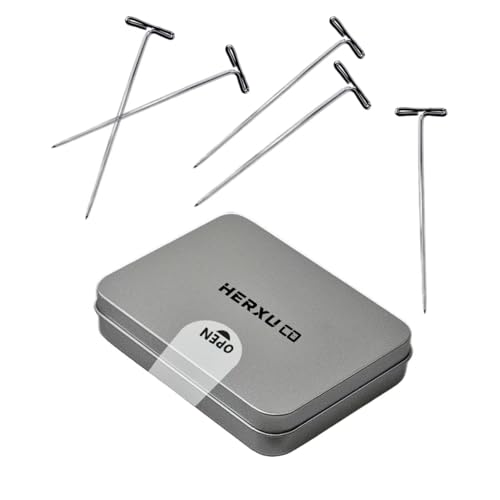
Susan Bates is a brand every knitter encounters early on, and their rust-resistant T-pins are a reliable workhorse. When you are blocking a large project, you often use dozens of pins; you need a set that is consistent and dependable.
These pins are designed specifically for the craft market, meaning they are less likely to have the sharp, jagged edges found on generic industrial pins. This is crucial for avoiding the accidental splitting of yarn plies.
They are a fantastic "middle-of-the-road" option. They offer enough quality for professional results without the premium price tag of boutique tools.
Bohin T-Pins: The Professional Choice

Bohin is a French manufacturer known for producing some of the highest-quality needles and pins in the world. Their T-pins are exceptionally smooth and remarkably resistant to bending, making them a favorite among professional finishers.
If you are blocking heirloom-quality wool or expensive hand-dyed yarns, these are the pins you want. They possess a level of finish quality that is immediately apparent the moment you touch them.
While they are an investment, the peace of mind they provide is worth it. You won’t find yourself worrying about rust or snags when you reach for a Bohin pin.
Why T-Pins Are Essential for Blocking Wool
Blocking is not just about getting your project wet and letting it dry; it is about setting the stitch structure. T-pins provide the necessary leverage to stretch your knitting to the exact measurements required by your pattern.
Without T-pins, your wool will likely shrink back or pucker, losing the intended drape. The "T" shape is vital because it allows you to exert force in a specific direction without the pin rotating or slipping out of the mat.
Think of T-pins as the skeleton for your project while it dries. They hold the garment in its ideal form until the wool fibers "remember" their new shape.
How to Prevent Rust Marks on Delicate Fibers
Rust is the enemy of every knitter, especially when working with light-colored or white wool. Even "rust-resistant" pins can eventually fail if left in a damp environment for too long.
- Dry thoroughly: Always ensure your pins are completely dry before putting them back into storage.
- Avoid over-soaking: Don’t leave your project sitting in water longer than necessary; the less time the pins spend in a saturated environment, the better.
- Test your pins: If you are unsure about a set of pins, place them on a damp white paper towel overnight to see if any discoloration appears.
If you ever find a spot of rust on a pin, discard it immediately. It is never worth the risk of ruining a project you spent hundreds of hours creating.
Proper Blocking Techniques for Wool Garments
When blocking, start by securing the corners of your garment first to establish the main dimensions. Then, work your way outward, pinning the edges at regular intervals to ensure a smooth, even line.
For lace, you want to pin out every point of the pattern to open up the yarn overs. For stockinette, focus on creating a straight, clean edge that won’t curl.
Remember that wool is elastic; don’t over-stretch it, or you will distort the stitch definition. Use just enough tension to smooth the fabric, and let the blocking process do the work.
Storing Your Blocking Tools for Longevity
Treat your T-pins like the precision tools they are. Storing them in a damp basement or near a humid laundry area is a recipe for disaster.
I recommend keeping your pins in a dedicated, airtight container or a small tin with a silica gel packet to absorb any residual moisture. Organizing them by size or type can also save you time during your next blocking session.
By taking care of your pins, you ensure they remain smooth and sharp for years to come. A well-maintained set of pins is one of the best investments you can make in your craft.
Investing in high-quality T-pins is one of the simplest ways to elevate the professional appearance of your finished handknits. By choosing pins that suit your specific project needs and maintaining them with care, you protect your hard work from snags and rust. Remember that the right tools are meant to serve your creativity, so select the ones that make your blocking process feel effortless. Happy knitting, and may your blocking sessions always lead to perfectly finished garments.