6 Best Wool Soak Basins for Delicate Garments
Protect your delicate knits with these 6 top-rated wool soak basins. Our guide evaluates durability, capacity, and design to ensure gentle, effective care.
Hand-washing a finished garment is the final, most nerve-wracking step of the knitting process. After spending dozens of hours perfecting your gauge and tension, you need a vessel that treats your fiber with the respect it deserves. Choosing the right basin ensures your wool stays supported, properly saturated, and safe from unnecessary agitation. Here are the best tools to help you master the art of the soak.
Eucalan Collapsible Wash Basin: Best Overall Pick


This basin is designed specifically with the fiber artist in mind, making it a reliable staple for any laundry room. Its collapsible nature means you can tuck it away between projects, keeping your workspace clutter-free.
The material is gentle enough that you never have to worry about snagging delicate lace or fine mohair fibers. Because it is purpose-built for wool care, it lacks the sharp plastic burrs often found in general-purpose kitchen tubs.
If you frequently wash heavy sweaters, the size is just right for full immersion without needing to use an excessive amount of water or wool wash. It is the gold standard for those who want a dedicated tool that prioritizes garment safety.
Sterilite 16-Quart Storage Bin: Best Budget Choice

Sometimes the best tool for the job is the simplest one you can find at a local big-box store. A basic storage bin is incredibly durable and provides a wide, flat surface that is perfect for soaking flat-knit panels.
Because these bins are inexpensive, you can easily justify owning a few different sizes for various project scales. They are lightweight, easy to carry to the sink, and built to withstand years of repetitive use.
Don’t let the "storage" label fool you; the smooth interior is perfectly safe for even the most delicate cashmere. Just ensure you wash it thoroughly before its first use to remove any factory residue.
Rubbermaid Roughneck Basin: Best for Large Knits

When you are blocking a massive, fingering-weight wool shawl that seems to grow exponentially once wet, you need volume. The Roughneck basin is deep and sturdy, providing enough room to ensure every fiber is fully submerged.
Its rigid construction is a significant advantage when you need to move a heavy, water-logged garment from the sink to your blocking station. You won’t have to worry about the sides buckling or spilling precious water on your floor.
While it takes up a bit more storage space, the peace of mind it provides for large-scale projects is worth the trade-off. For heavy sweaters or large blankets, this is the most secure option available.
OXO Good Grips Dish Tub: Best Ergonomic Design

Washing a garment can be a physical task, especially if you have joint pain or limited grip strength. The OXO tub features comfortable handles that make it much easier to lift and carry when filled with water.
The interior is designed with a slight slope, which helps when you are draining the water or trying to gently lift a heavy sweater. This subtle ergonomic advantage reduces the risk of accidentally stretching your knitwear during the transition to the blocking mat.
It is a slightly more premium option, but the build quality is immediately apparent. If you treat your knitting as a lifelong craft, investing in tools that protect your body is just as important as protecting the yarn.
Prepworks Collapsible Tub: Best Space Saver Pick
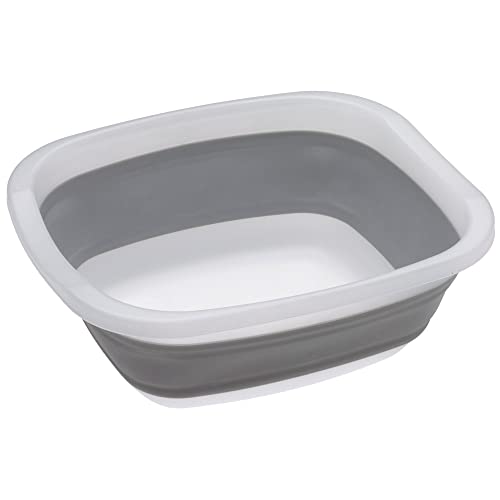
If your knitting space is also your living room or bedroom, you likely don’t have room for bulky plastic tubs. The Prepworks tub collapses down to a fraction of its size, making it ideal for apartment dwellers or those with limited storage.
Despite its ability to fold, it remains remarkably stable when expanded. It is particularly well-suited for smaller projects like socks, cowls, or baby garments that don’t require a massive volume of water.
The silicone sides are soft and pliable, which is a nice touch when you are gently squeezing the water out of your project. It is the perfect balance of convenience and functionality for the modern knitter.
Joseph Joseph Wash&Drain: Best for Small Projects
This basin features a built-in plug, which is a game-changer for those who find lifting heavy tubs of water difficult. You can simply place it in your sink, fill it, and drain it without ever having to move the weight.
The integrated strainer is an unexpected benefit, catching any loose fibers or stray bits of yarn before they clog your drain. It is compact, sleek, and designed to look good even when sitting out on your counter.
While it is on the smaller side, it is the ultimate tool for washing a single pair of socks or a small accessory. It turns a chore into a seamless, mess-free part of your knitting routine.
Why Proper Blocking Requires a Dedicated Basin
Blocking is not just about getting a garment wet; it is about relaxing the fibers so they can bloom and settle into their final shape. Using a kitchen sink or a bathtub can expose your wool to harsh residues or abrasive surfaces.
A dedicated basin ensures that you are working in a clean, neutral environment. You want to avoid any lingering dish soap or chemical cleaners that could strip the natural lanolin from your wool.
Furthermore, a basin allows you to control the depth of the water perfectly. You can ensure your garment is floating freely, which prevents the uneven saturation that leads to misshapen results.
How to Safely Soak Delicate Woolen Garments
Always start by filling your basin with lukewarm water before adding your wool wash. Never pour soap directly onto your knitting, as this can create concentrated spots that are difficult to rinse out.
Gently submerge your garment and press it down with your hands; avoid any scrubbing or wringing. Let it soak for about 15 to 20 minutes, allowing the fibers to absorb the moisture and the soap to lift any dirt or oils.
If you are working with non-superwash wool, keep movement to an absolute minimum to prevent accidental felting. The goal is a gentle, hands-off soak that respects the structural integrity of the yarn.
Essential Tips for Rinsing Hand-Knitted Items
Rinsing is the most overlooked step in the blocking process, yet it is vital for the long-term health of your garment. If soap residue remains in the fibers, it can attract dust and eventually degrade the yarn over time.
Use the same temperature water for rinsing as you did for soaking to avoid thermal shock. If you change the water temperature drastically, you risk causing the fibers to contract, which can alter the fit of your finished piece.
Be patient with the rinsing process. Gently press the water out of the garment against the side of your basin, refill with fresh water, and repeat until no bubbles appear.
Common Mistakes When Blocking Woolen Textiles
The most common error is agitating the garment too much while it is wet. Wool is at its most vulnerable state when saturated, and any friction can lead to unwanted pilling or felting.
Another frequent mistake is hanging a wet garment to dry. Always lay your items flat on a blocking mat or a clean towel, as the weight of the water will inevitably stretch the stitches out of proportion.
Finally, never skip the soak because you are in a rush. Taking the time to properly wash and block your project is the final act of love that transforms a collection of stitches into a finished heirloom.
Choosing the right basin is a small investment that pays off every time you finish a new project. By providing a safe, dedicated space for your wool to rest and recover, you ensure your hard work lasts for years to come. Take your time, handle your fibers with care, and enjoy the rewarding process of finishing your hand-knitted treasures.