6 Best Flexible Cable Connectors For Circular Projects
Discover the 6 best flexible cable connectors for circular projects. This guide evaluates top options to ensure reliable, durable, and seamless connectivity.
Finding the right cable for your circular knitting projects is often the difference between a meditative, rhythmic session and a frustrating battle with your yarn. When your cord kinks or snags at the join, your tension suffers and your joy in the craft quickly evaporates. Over my two decades behind the needles, I’ve learned that the "perfect" cable is a deeply personal choice based on your unique grip and knitting style. This guide breaks down the best options on the market to ensure your next project flows as smoothly as your yarn.
ChiaoGoo TWIST Red Lace Cables: Best for Precision


If you are a knitter who demands absolute reliability, the ChiaoGoo TWIST cables are likely already in your kit. These cables are engineered with a multi-strand steel core coated in nylon, which gives them a unique combination of strength and memory-free flexibility.
The standout feature here is the lack of coil memory; they stay relaxed the moment you take them out of the package. This is a game-changer when you are working on a complex lace shawl where the weight of the fabric can drag on the needles.
Because they are so sturdy, they are ideal for "magic loop" knitting, where you pull a large loop of cable through your stitches to work in the round on a smaller circumference. You won’t find yourself fighting the cable’s urge to curl back into a tight circle while you work.
KnitPicks Options Interchangeable Cables: Best Value

KnitPicks has long been the go-to for knitters who want a functional, reliable system without the premium price tag. Their purple cables are soft, pliable, and incredibly forgiving for those just starting their interchangeable needle journey.
While these cables are more flexible than their steel-core counterparts, they do have a bit of "memory," meaning they might retain a slight curve after being stored. A quick dip in warm water usually resets them perfectly, making them a great entry-level choice.
They are particularly well-suited for beginners who are still learning to manage their tension and might be prone to dropping needles. The gentle flex of the material is less intimidating than a rigid steel cable, allowing for a more natural hand position.
Lykke Interchangeable Cords: Best Aesthetic Choice

Lykke is synonymous with beauty, and their cords are no exception, often featuring a smooth, matte finish that complements their signature driftwood or copper needles. They are designed for the knitter who values the sensory experience of their tools as much as the final garment.
These cords are exceptionally smooth, allowing stitches to glide over the join with minimal resistance. If you are working with a sticky fiber like a high-twist wool or an alpaca blend, the low-friction surface of these cables prevents the yarn from hanging up.
However, they are slightly more rigid than the ChiaoGoo cables. If you are a "tight" knitter, you may find that the cord doesn’t bend quite as easily during intricate decreases, so consider your natural tension when choosing these for a project.
HiyaHiya Sharp Steel Interchangeable Cables: Best Flow
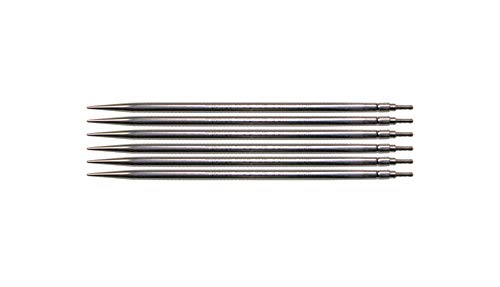
HiyaHiya is famous for their swivel technology, which allows the needle tip to rotate independently of the cable. If you have ever felt your wrist cramping from the constant twisting of a circular project, this feature is a revelation.
The swivel action prevents the cable from coiling up as you knit, which is a common issue when working on small-circumference items like sleeves or hats. It essentially eliminates the "fight" between the cable and the work.
These cables are thin and incredibly supple, making them a dream for lace weight projects. Just be aware that because they are so thin, they can be a bit more delicate; always use the provided tightening tool to ensure the join remains secure.
Addi Click SOS Lifeline Cords: Best for Security
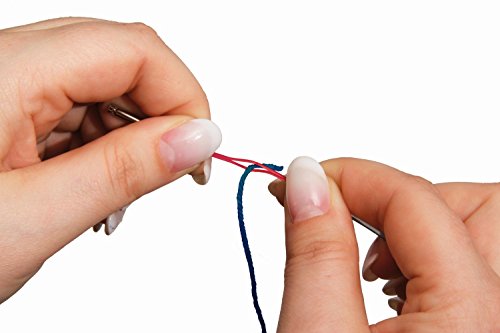
The Addi Click system is unique because it uses a spring-loaded "click" mechanism rather than a screw-in join. The SOS version adds a tiny hole in the cable near the join, allowing you to thread a lifeline through your stitches as you knit.
This is an absolute lifesaver for complex lace or cable patterns where a single dropped stitch could ruin hours of work. You can thread a piece of scrap yarn through the hole, and it will be carried through your work, effectively "saving" your progress every row.
While the "click" mechanism is incredibly fast, it does require a specific technique to engage. You must push and twist until you feel the lock, which ensures your needles won’t unscrew mid-project.
Seeknit Koshitsu Interchangeable Cables: Best Feel

Seeknit offers a traditional, natural feel that is hard to replicate with synthetic materials. Their Koshitsu cables are treated with a high-pressure process that makes the bamboo incredibly durable and smooth, providing a tactile warmth that many knitters prefer.
These cables are perfect for those who find metal needles too cold or slippery. The slight "grip" of the cable material helps keep your stitches in place, which is particularly helpful if you are working with slippery fibers like silk or bamboo yarn.
Because they are made from natural materials, they possess a unique flexibility that feels organic in the hands. They are not as "springy" as steel, but they offer a controlled, steady drape that feels very stable during long knitting sessions.
How to Choose the Right Cable Length for Projects
Choosing the right length is about matching the cable to the circumference of your project. A good rule of thumb is that the cable should be slightly shorter than the total circumference of your garment to ensure the stitches are held comfortably.
- 16-inch (40cm): Perfect for hats, cowls, and necklines.
- 24-inch (60cm): Ideal for sweaters, baby garments, and smaller shawls.
- 32-inch (80cm) to 40-inch (100cm): The standard for large shawls, blankets, and sweater bodies.
Always remember that if you are using the "magic loop" method, you should aim for a longer cable, usually 40 inches or more. This allows you to create two large loops, making it much easier to transition between needle tips without distorting your stitches.
Nylon vs. Steel: Understanding Cable Construction
The construction of your cable dictates how it behaves under tension. Nylon cables are generally softer and more flexible, which makes them comfortable to hold, but they can be prone to kinking if stored improperly for long periods.
Steel cables, conversely, are incredibly durable and resistant to kinking. They are the standard for lace knitters who need a cable that can handle the weight of a large project without stretching or losing its shape.
If you are a frequent traveler, steel-core cables are your best friend because they survive being shoved into a project bag better than nylon. However, if you prefer a cable that feels "invisible" and lightweight, a high-quality nylon cord will be less distracting.
Essential Tips for Maintaining Cable Connections
The most common point of failure in any interchangeable system is the join, where the cable meets the needle. Always use the tightening tool provided with your set; hand-tightening is rarely enough to prevent the needle from loosening over time.
Periodically check your connections while you are knitting. If you feel a slight snag, it is almost always because the needle has backed out a fraction of a turn, creating a tiny gap where the yarn can catch.
Finally, keep your cables clean. Oils from your hands can build up on the cable surface, making them sticky or causing them to attract dust. A quick wipe with a damp cloth and a drop of mild soap will keep them gliding smoothly for years.
Troubleshooting Common Interchangeable Cable Issues
If your cable is permanently kinked, don’t throw it away. A quick soak in a bowl of very warm (not boiling) water will soften the plastic, allowing you to straighten it out and let it cool in a relaxed, flat position.
If you are experiencing "snagging" at the join, check for two things: a loose connection or a burr on the needle. Sometimes a tiny bit of yarn fiber can get stuck in the join, which can be cleared with a soft brush or by unscrewing the cable and checking the threads.
Lastly, if your needles keep unscrewing, try a small rubber gripper (often sold for opening jars). Using this to get that final quarter-turn of leverage can make a world of difference in keeping your needles secure for the duration of the project.
Selecting the right cable is an investment in your own comfort and the longevity of your hand-knitted pieces. Whether you prioritize the swivel action of HiyaHiya or the security of the Addi SOS system, the best choice is the one that lets you forget your tools and focus entirely on the rhythm of the stitches. Take the time to experiment with different materials and lengths, and you will eventually build a collection that serves every project you can imagine. Happy knitting, and may your joins always stay smooth and secure.