6 Best Interchangeable Knitting Needles For Lace Projects
Find the 6 best interchangeable knitting needles for lace projects to ensure precision and comfort. Browse our top expert recommendations and upgrade your kit now.
Lace knitting demands precision, patience, and tools that act as an extension of the hands. When working with fine cobweb-weight yarns or intricate chart patterns, the wrong needle tip can lead to split plies and frustration. Choosing the right interchangeable set transforms a complex project from a chore into a seamless rhythm. This guide evaluates the top contenders to help match the hardware to the project.
ChiaoGoo Twist Red Lace: The Ultimate Top Pick


The ChiaoGoo Twist Red Lace set is widely considered the gold standard for lace knitters globally. These needles feature surgical-grade stainless steel with a satin finish that allows yarn to glide effortlessly without being overly slick.
The tips are impeccably tapered, striking a perfect balance between sharp enough to manipulate complex decreases and blunt enough to avoid piercing fingertips during long sessions. The cables are memory-free, meaning they stay flat and never coil up while working on large, heavy shawls.
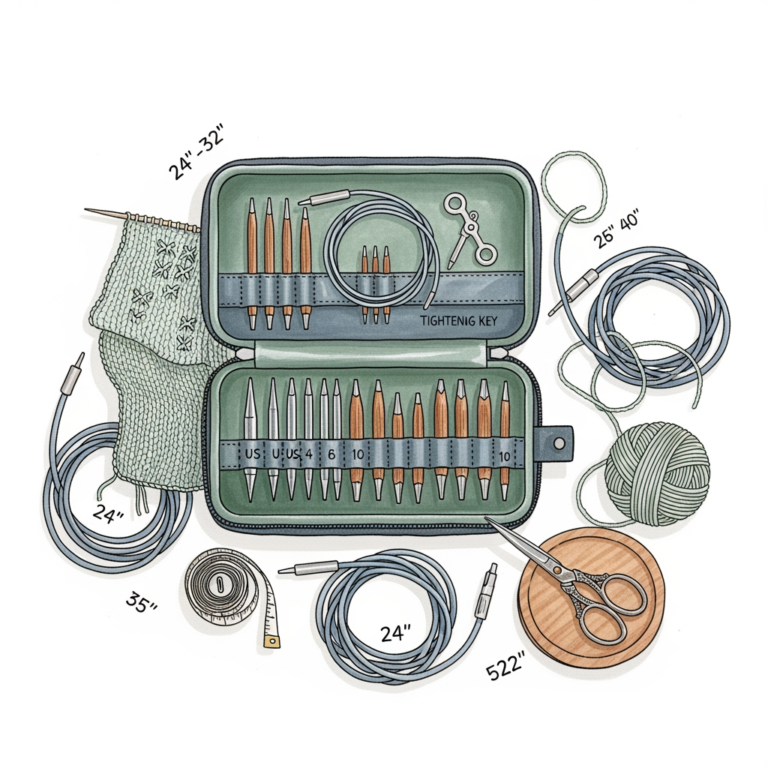
The join between the cable and the needle is arguably the smoothest in the industry, preventing snagged stitches. For those who frequently switch between projects, the secure, tool-tightened connection provides peace of mind that a cable will not unscrew mid-row.
HiyaHiya Sharps Set: For the Sharpest Points

HiyaHiya Sharps offer the most aggressive, needle-like points available in an interchangeable system. These are specifically designed for knitters who find standard tips struggle to pick up tight clusters of stitches in patterns like nupps or complex lace cables.
The tips are made of high-quality stainless steel, offering a smooth, fast knitting surface. Because the points are so refined, they are exceptionally effective at executing intricate maneuvers, though they require a bit of caution to avoid skin irritation if a knitter tends to push the needle with a finger.
The swivel cables are a notable feature, allowing the needle tip to rotate independently of the cord. This reduces wrist strain during long projects and prevents the cable from twisting during complex, circular lace work.
Addi Click Lace Set: Premium German Engineering
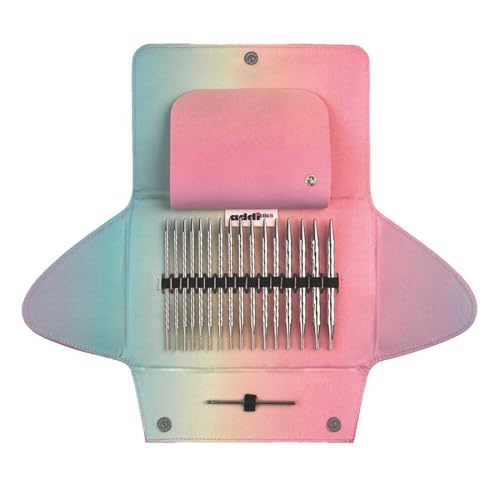
Addi is synonymous with durability and high-precision manufacturing. Their Click system is unique because it uses a spring-loaded locking mechanism rather than a screw-in thread, allowing for a fast, tool-free assembly.
The needles are plated with white bronze, which provides a bright, smooth finish that feels substantial in the hand. The tips are slightly longer and sharper than standard Addi needles, optimized for the precision required in lace motifs and eyelet work.
The system is remarkably robust, designed to last a lifetime with proper care. It is an excellent choice for knitters who dislike the need for tightening keys or who frequently change needle sizes mid-project.
Lykke Driftwood Set: The Best Wooden Option
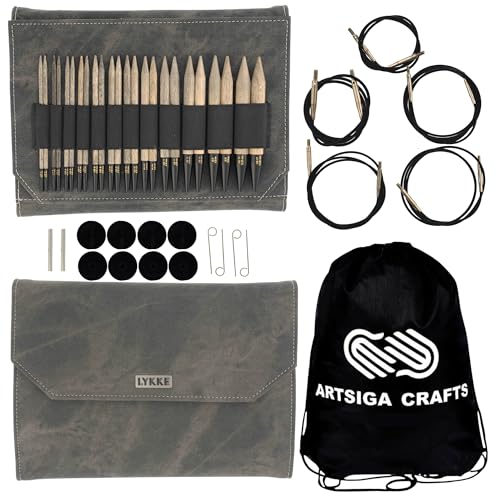
Not every lace knitter wants the speed of metal; some prefer the quiet, tactile warmth of wood. The Lykke Driftwood sets are crafted from polished birch, offering a beautiful aesthetic and a surface with enough grip to control slippery lace-weight yarns like silk or mohair.
The tips are surprisingly sharp for a wooden needle, holding up well under the tension of intricate lace patterns. Because they are made from dense, layered birch, they are significantly more durable than traditional bamboo or pine needles.
Wooden needles are inherently slower than metal, which can be an advantage when working with yarn that is prone to dropping stitches. If the project involves fine alpaca or smooth synthetic blends, the natural friction of the wood provides the necessary stability to keep stitches even.
Knitter’s Pride Karbonz: Most Durable Needles

Knitter’s Pride Karbonz are engineered for extreme strength and precision by combining carbon fiber shafts with brass tips. The carbon fiber makes them incredibly lightweight, reducing hand fatigue during long lace-knitting marathons.
The transition between the carbon fiber shaft and the metal tip is seamless, ensuring that stitches slide without catching. The brass tips are exceptionally sharp and polished to a high sheen, providing the precise point needed to navigate complex lace charts.
These needles are ideal for knitters who have a habit of breaking or bending needles during travel. While the material is rigid, it remains slightly warm to the touch, offering a unique middle ground between the feel of wood and the speed of metal.
KnitPicks Sunstruck: Best on a Tight Budget

KnitPicks Sunstruck needles offer a high-quality, entry-level option for those building their first interchangeable collection. Made from laminated birch, they feature a smooth, honey-toned finish that is gentle on the hands and easy on the eyes.
The sharp, tapered tips are well-suited for lace, making it easy to pull loops through multiple yarn-overs. While they may not have the same longevity or intricate finish as more premium brands, they perform reliably for the vast majority of lace projects.
They represent the most cost-effective way to acquire a full range of sizes and cable lengths. For a knitter just beginning to explore lace, this set provides a professional-grade experience without requiring a significant financial investment.
Metal vs. Wood: Which Is Best for Your Lace Yarn?
The choice between metal and wood often comes down to the fiber composition of the yarn. Slippery fibers like silk, bamboo, or superwash wool benefit from the subtle grip of wooden needles, which helps prevent stitches from sliding off accidentally.
Conversely, metal needles are superior for “sticky” fibers like high-moisture alpaca or wools with a lot of halo, such as mohair. The slick surface of the metal reduces friction, allowing the stitches to move along the needle shaft with minimal effort.
If a knitter finds their gauge is consistently too tight, switching to a slick metal needle can encourage a more relaxed, consistent tension. If the stitches feel loose or uneven, a wooden needle can help “grab” the yarn and provide better stitch definition.
The Point, Join, and Cable: What Really Matters
The most overlooked element of an interchangeable set is the connection point. A poorly designed join can snag delicate lace yarns, leading to fiber breakage or uneven stitch tension. Always look for a join that is flush with the needle barrel, ensuring the yarn moves across the transition without resistance.
The point of the needle must be sharp enough to enter the stitch cleanly but not so sharp that it splits the yarn fibers. A very sharp tip is essential for “k2tog” (knit two together) or “ssk” (slip, slip, knit) maneuvers where accuracy is paramount.
Finally, the cable flexibility determines how the project sits on the lap. A stiff cable can fight against the knitter, leading to distorted stitches near the needle. High-quality sets include cables that drape naturally, keeping the weight of the shawl supported and the needle tips in the correct position.
Why Cable Flexibility Is Key for Large Shawls
When knitting a large, crescent-shaped lace shawl, the project can accumulate a significant amount of weight as it grows. A stiff or “memory-heavy” cable will cause the weight of the fabric to pull on the needle tips, potentially warping the stitches or causing the knitter to develop a tighter gauge.
Flexible, memory-free cables allow the weight of the shawl to rest comfortably in the lap. This enables the knitter to work for longer periods without feeling the need to compensate for the drag of the needle.
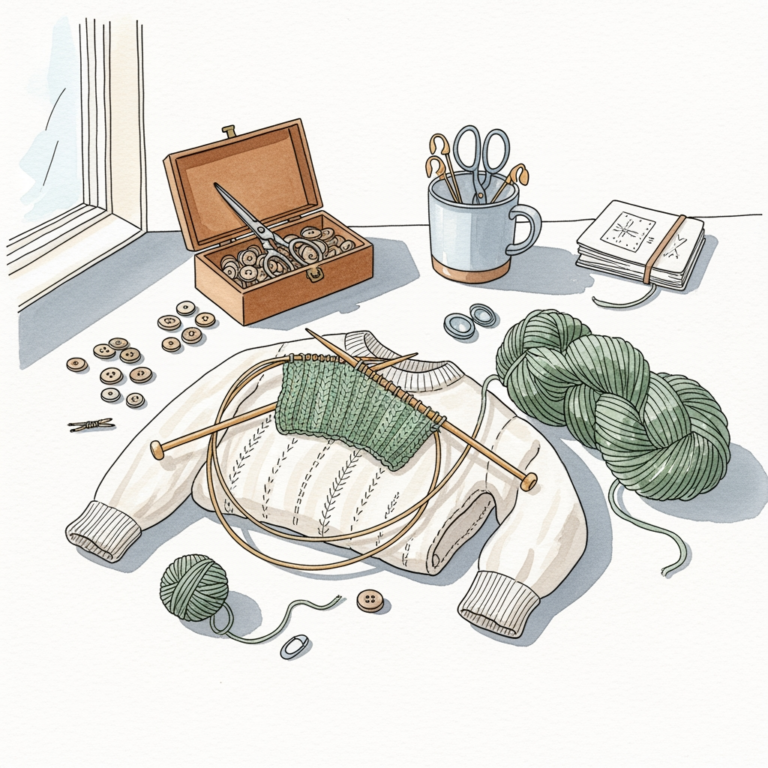
Always look for sets that offer a variety of cable lengths. Being able to use a longer cable as the shawl expands is crucial for ensuring the stitches are spread out enough to clearly see the pattern repeats, which reduces the likelihood of missing a yarn-over or a decrease.
Using Lifelines with Interchangeable Needles
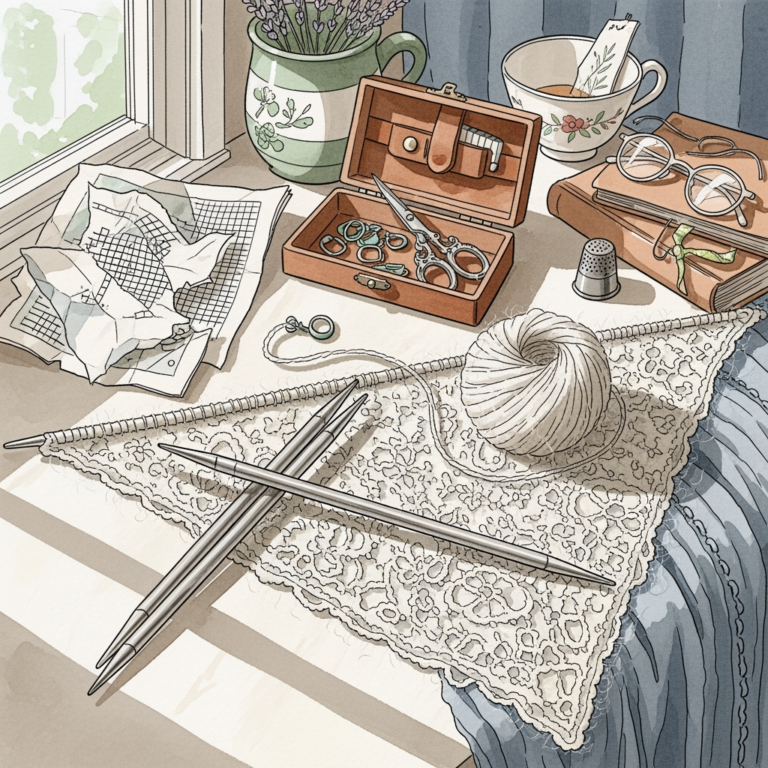
A lifeline is a piece of smooth, thin scrap yarn threaded through the active stitches of a row to “save” the work in case of a mistake. Some high-end interchangeable needles feature a small hole in the metal join specifically designed for inserting a lifeline.
If the needles do not have this hole, a lifeline can be inserted manually using a tapestry needle. Simply thread a contrasting, smooth string through the stitches on the needle, making sure to avoid crossing the working yarn.
Using a lifeline is an essential practice for complex lace knitting. It allows a knitter to confidently rip back to a stable point without the terror of losing a dozen hours of work. For advanced lace projects, the lifeline is not optional; it is an insurance policy.
Selecting the right interchangeable needle set is about aligning the tool’s physical properties with the demands of the specific yarn and the knitter’s own natural tension. While premium sets offer superior joins and materials, the most important factor remains the consistency of the stitches produced. By matching the sharpness, surface material, and cable flexibility to the requirements of the lace project, any knitter can achieve professional, clean results. Happy knitting.