6 Best Leather Project Totes For Heavy Items To Own
Discover the top 6 leather project totes built for heavy-duty use. Learn which durable, spacious designs best secure your gear for reliable, daily carrying.
Every knitter knows the heartbreak of a project bag that buckles under the weight of a heavy wool sweater or a massive stash of yarn. When you are working with multiple skeins of worsted weight yarn or a complex cabled project, your bag needs to be as sturdy as it is stylish. I have spent two decades hauling projects to retreats and local knit nights, and I know that the right leather tote is a literal lifesaver for your gear. Here are six reliable options that will keep your needles, notions, and WIPs safe and secure.
Madewell The Transport Tote: Best Overall Pick


The Transport Tote is a staple in the knitting community for a reason: it is essentially a bottomless pit that refuses to quit. Its wide, open-mouthed design makes it incredibly easy to reach in and grab a specific color of yarn without having to dump your entire project onto the floor.
The leather is sturdy enough to hold its shape, yet supple enough that it doesn’t feel like you are carrying a stiff box. I find the shoulder straps are the perfect length to clear a bulky hand-knitted sweater, which is a common oversight in bag design.
The trade-off here is the lack of internal organization, which can lead to your stitch markers migrating to the corners. I recommend pairing this with a dedicated notions pouch to keep your smaller tools from vanishing into the depths of your yarn cakes.
Cuyana Classic Leather Tote: Best for Durability

If you are the type of knitter who works exclusively with heavy, rustic wools or large-scale blankets, you need a bag that won’t show wear after a few months of abuse. The Cuyana Classic is built with a double-faced leather that feels remarkably thick and resilient.
It handles the sharp edges of metal circular needles and the occasional snag of a scissor tip much better than thinner, cheaper hides. The structure is clean and professional, making it an excellent choice for knitters who want to take their work into a formal office setting.
Because the leather is so dense, it does add a bit of baseline weight to your load before you even add your yarn. If you are already carrying a heavy project, be mindful that the bag itself isn’t a lightweight option.
Portland Leather Bucket Tote: Best Minimalist Bag

Sometimes you just need to carry a single project—perhaps a pair of socks or a lightweight lace shawl—and you don’t want a massive bag weighing you down. The Portland Leather Bucket Tote is my go-to for these smaller, portable projects.
The bucket shape is surprisingly deep, which keeps your yarn from rolling around or spilling out while you are on the move. Its minimalist aesthetic means it fits in perfectly at a coffee shop or a park bench without looking like a bulky piece of luggage.
The open top is a double-edged sword; while it provides quick access, it offers no protection from the elements. If you are knitting with delicate fibers like alpaca or mohair, be sure to keep your project inside a drawstring bag within the tote to prevent dust and debris from settling into the fibers.
Leatherology Belmont Tote: Best Customization

We all have different organizational needs, and the Belmont Tote allows you to tailor your bag to your specific knitting habits. The ability to add internal pockets or a zipper closure is a game changer for keeping your patterns and charts from getting crumpled.
I particularly appreciate the option to add a monogram, which is a lovely touch if you have spent weeks knitting a gift for someone and want your project bag to feel equally special. The leather is high-quality and holds up well to the daily grind of travel.
However, customization can lead to "feature creep" where you end up with a bag that is heavier than necessary. Stick to the essentials—like a dedicated pocket for your circular needle cases—to keep your load manageable.
Frye Melissa Shopper: Best Premium Leather Bag
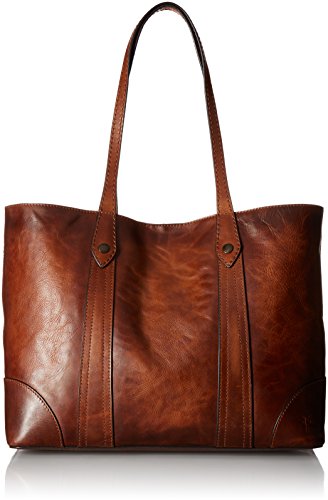
The Frye Melissa Shopper is an investment piece that ages beautifully, developing a rich patina that tells the story of every sweater you have finished. The leather is exceptionally soft and high-quality, which makes it a joy to handle even when you aren’t actively knitting.
The construction is robust enough to handle the weight of heavy-duty projects like cabled cardigans or dense, stranded colorwork. You aren’t just buying a bag; you are buying a companion that will likely last you a decade or more of constant use.
The primary drawback is the price and the maintenance; premium leather requires a bit more care to keep it supple. Do not let this bag sit in direct sunlight for hours at a time, as the leather can dry out and lose its beautiful, buttery feel.
Dagne Dover Vida Tote: Best Structured Organizer

If your knitting bag often turns into a chaotic mess of tangled yarn ends and loose needles, the Dagne Dover Vida is your solution. It features an incredible array of internal compartments that are perfect for separating your DPNs, interchangeable needle sets, and various yarn weights.
The structure is rigid, meaning the bag stands upright on its own, which is a massive help when you are trying to switch colors or manage a multi-strand project. You can see exactly where every tool is at a glance.
The trade-off for this level of organization is that the bag is quite stiff and heavy. It does not have the "slouch" of a traditional leather tote, so it can feel a bit more formal and less "cozy" than other options on this list.
Why Weight Capacity Matters for Knitting Projects
Knitting projects are deceptively heavy, especially when you are working with large quantities of natural fibers like wool or cotton. A single sweater can weigh over a pound, and when you factor in your needle case, extra skeins, and reference books, you are carrying a significant amount of weight.
If your bag’s straps or base aren’t reinforced, you risk the leather stretching or the stitching popping at the seams. I have seen too many beautiful bags ruined because the weight of a heavy project caused the bottom to sag or the handles to fray.
Always test your bag with your heaviest project before you commit to taking it on a long trip. If the straps dig into your shoulder, it is a sign that the bag’s weight distribution isn’t sufficient for the load you are carrying.
Assessing Leather Quality for Heavy Duty Usage
When shopping for a leather tote, look for "full-grain" or "top-grain" leather, as these are the most durable layers of the hide. Avoid "genuine leather," which is often a marketing term for lower-quality, bonded scraps that will tear under the weight of a heavy project.
Check the thickness of the leather at the stress points, specifically where the handles meet the body of the bag. These areas should be reinforced with extra stitching or rivets to ensure they don’t give way when you are hauling your latest masterpiece.
The smell and feel of the leather are also good indicators; high-quality leather should feel substantial and have a natural, earthy scent. If it smells like heavy chemicals or feels like plastic, it is likely a synthetic or low-grade material that won’t stand the test of time.
Essential Features for Knitting Tote Interiors
A great knitting tote needs more than just a big open space; it needs pockets that can accommodate the specific shapes of our tools. Look for long, narrow pockets that can hold your needle sets without them sliding to the bottom.
A secure, zippered pocket is non-negotiable for small items like stitch markers, cable needles, and tapestry needles. These tiny tools are notorious for disappearing into the abyss of a bag, and a dedicated home for them prevents a lot of frustration.
Consider a bag with a light-colored interior lining, which makes it significantly easier to find dark-colored yarns or small notions. If the interior is black, you will find yourself struggling to locate your scissors or a dropped stitch marker in low light.
How to Properly Care for Your Leather Tote Bag
Leather is a natural material, and just like wool, it needs to be treated with care to maintain its longevity. I recommend using a high-quality leather conditioner every few months to keep the hide from drying out and cracking.
If your bag gets wet—perhaps you got caught in the rain on your way to a knit night—let it air dry naturally away from heat sources. Never use a hair dryer or radiator to speed up the process, as this will cause the leather to become brittle and lose its shape.
Finally, keep your bag stored in a cool, dry place when it is not in use, preferably stuffed with tissue paper to help it maintain its structure. Treat your bag with the same respect you treat your hand-knitted garments, and it will serve you faithfully for years to come.
Investing in a high-quality leather tote is one of the most practical decisions you can make for your knitting practice. By choosing a bag that balances durability, organization, and personal style, you ensure that your projects are always ready to travel whenever inspiration strikes. Take the time to assess your specific needs, and you will find a companion that carries your yarn as beautifully as you knit it. Happy knitting, and may your yarn always remain tangle-free.