7 Best Wool Roving Gift Sets for Crafters to Explore
Discover the top 7 wool roving gift sets for crafters. This guide highlights essential kits to help you explore needle felting and spinning with ease.
Stepping into the world of wool roving is like opening a box of possibilities where texture, color, and structure collide. Whether you are a needle felter looking to sculpt tiny creatures or a spinner wanting to create custom art yarns, the quality of your fiber dictates your success. Finding the right palette or breed-specific set can be the difference between a frustrating tangle and a meditative creative session. Here are seven curated wool roving sets that offer the variety and quality needed to elevate your fiber craft.
Living Dreams 24 Color Merino Wool Roving Set
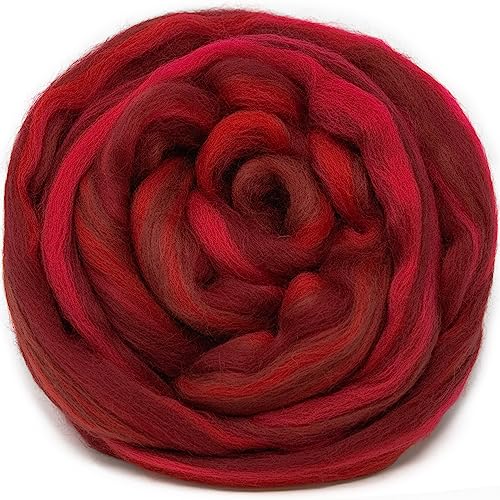

If you are a beginner looking to experiment with color without committing to large quantities, this set is a fantastic starting point. Merino is prized for its high crimp and soft handle, making it exceptionally easy to manipulate for small-scale needle felting projects.
The 24-color variety allows you to practice color theory or create intricate details on felted figures without needing to dye your own wool. Because these fibers are fine, they draft smoothly, which is a major advantage if you are just learning how to control fiber tension.
However, be aware that the fine nature of Merino means it can pill or fuzz more easily under heavy handling. If you are making a functional item like a decorative bowl, you may need to felt it quite firmly to ensure it holds its shape over time.
Ashford Corriedale Wool Roving Variety Pack
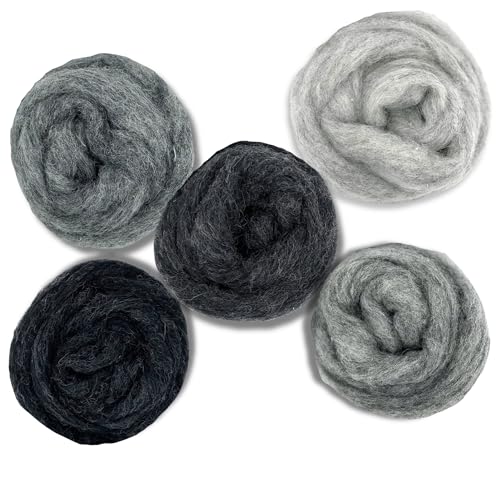
Ashford is a staple in the fiber world for a reason, and their Corriedale packs are the workhorse of the spinning and felting community. Corriedale is a medium-grade wool that strikes a perfect balance between softness and structural integrity.
Unlike the delicate Merino, Corriedale has a bit more "tooth," which helps the fibers lock together quickly during the felting process. This makes it an ideal choice for beginners who feel like their projects are taking forever to firm up.
For spinners, this wool is a dream because it is consistent and easy to draft. Whether you are aiming for a lofty woolen-spun yarn or a tighter worsted-spun thread, this fiber behaves predictably under the wheel.
World of Wool Felting Starter Roving Bundle

This bundle is designed specifically for those who want to dive deep into the technical side of felting. By providing a mix of breeds, it allows you to feel the physical difference between a long, lustrous fiber and a short, bouncy one.
Understanding these differences is crucial for advanced makers who want to choose the right fiber for the right outcome. For instance, if you want a piece with a high sheen, you will reach for a fiber like Bluefaced Leicester rather than a matte, crimpy wool.
This set is less about a specific color palette and more about fiber education. It is an investment in your own skill set, providing a tactile reference guide that stays on your workbench for years to come.
Hamanaka Wool Candy Roving Collection Kit

Hamanaka’s "Wool Candy" is a specialized product that feels almost like a boutique treat for needle felters. The fibers are pre-carded and organized in a way that makes them incredibly easy to pull and shape for delicate, small-scale work.
If you are interested in "needle painting"—the art of creating realistic portraits or landscapes with wool—this set is your best friend. The fibers are fine enough to blend seamlessly, allowing for subtle gradients that are difficult to achieve with coarser wools.
The tradeoff here is the price-to-volume ratio; you are paying for the convenience and the specific preparation of the fiber. This is not the set you buy for a large-scale project, but it is the one you reach for when the details really matter.
Woolpets Needle Felting Roving Starter Set
Woolpets has cultivated a reputation for providing exactly what a felter needs to get from a pile of fluff to a finished sculpture. Their roving is selected for its ability to felt rapidly, which is a massive relief for those working on intricate, multi-part projects.
The set includes a thoughtful range of earth tones and neutrals, which are often the hardest colors to source when you are building a stash. Having a reliable supply of grays, browns, and creams is essential for creating animals or realistic figures.
One thing to keep in mind is that this wool is very "grippy." While this makes it great for building structure, it can be slightly harder to smooth out the surface once the core is formed. Keep a little extra top-coat fiber handy if you want a polished finish.
Grey Fox Felting Merino Roving Color Palette

When you reach a level where color blending becomes an obsession, you need a high-quality Merino that doesn’t clump or nep (form tiny knots). Grey Fox offers a curated palette that feels intentional and sophisticated, moving away from the "primary color" kits found in craft stores.
The fibers in these palettes are consistent in length, which is vital for achieving even results in your projects. If you are doing wet felting, you will find that these fibers migrate and interlock with a satisfying, uniform density.
Do not be afraid to mix these with other fibers to change their characteristics. Adding a touch of silk or mohair to this Merino can introduce a lovely shimmer and help you achieve a more professional, high-end look for your finished pieces.
Dimensions Needle Felting Wool Roving Assortment

This is a classic "project-ready" assortment that is often found in local craft stores, making it a convenient choice for last-minute inspiration. It provides a decent variety of colors and textures that are suitable for general-purpose felting and crafting.
While it may not have the breed-specific pedigree of other options on this list, it is perfectly functional for beginners practicing their technique. If you are just learning how to use a felting needle, this is a low-pressure way to get started.
Don’t expect the same level of fiber alignment or softness you would get from a boutique supplier. However, for ornaments, kids’ crafts, or quick gifts, the convenience of this assortment is hard to beat.
Understanding Micron Counts in Wool Roving
The "micron" count refers to the diameter of the individual wool fiber, and it is the most important number on any label. A lower micron count (like 18-21) means the wool is very fine, soft, and suitable for items worn against the skin or delicate sculptural details.
A higher micron count (above 26) indicates a coarser fiber, which is much more durable and better suited for heavy-duty items like bags, rugs, or structural armatures. If you choose a low-micron wool for a structural project, it may pill or tear under stress.
Always look for this number if you are buying online. If it isn’t listed, the seller may be hiding the fact that the wool is very coarse or inconsistent in quality.
How to Choose the Right Fiber for Your Project
Start by asking yourself what the project needs to do: does it need to hold a rigid shape, or does it need to drape? For sculptural work, look for a "medium" wool like Corriedale that has enough crimp to lock together firmly.
If you are spinning, consider the "staple length"—the length of the individual fiber. Longer fibers are generally easier to spin for beginners because they have more surface area to grip onto each other, resulting in a stronger, less-hairy yarn.
Finally, consider the finish. If you want a matte, rustic look, stick with natural wools. If you want a bit of luxury, look for blends that include silk, bamboo, or alpaca, which will add shine and drape to your finished piece.
Essential Tools for Working With Wool Roving
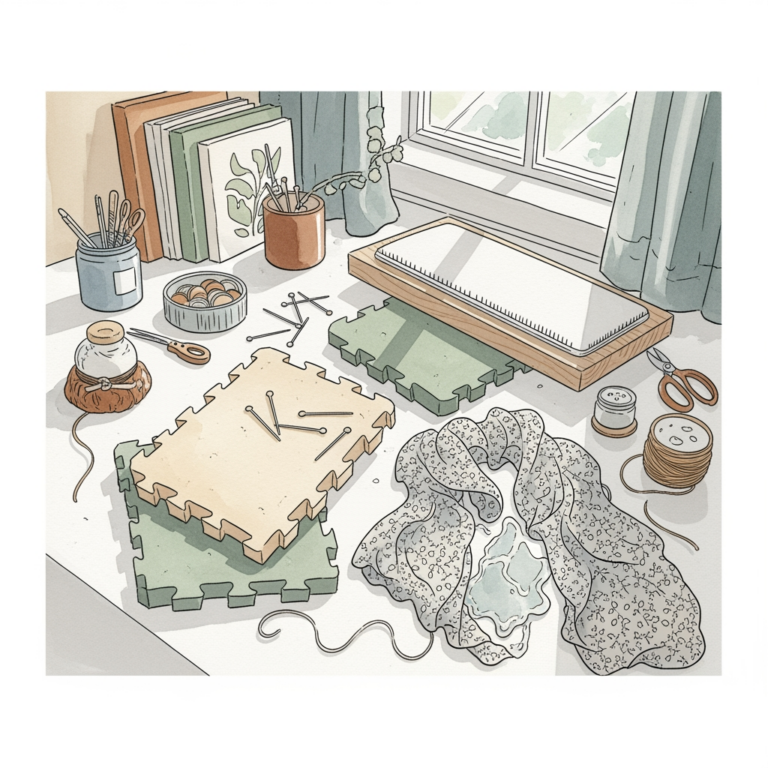
You cannot work with roving effectively without a few core tools, starting with a high-density foam pad or a brush mat for felting. These protect your needles and ensure that your fiber doesn’t get stuck to your work surface.
For needles, start with a variety pack of gauges: 36 gauge for fast, initial shaping and 40 or 42 gauge for fine detailing. Always replace your needles as soon as they feel dull; a blunt needle will tear the fiber rather than pushing it through, creating a messy, uneven texture.
If you are spinning, a drop spindle is the best way to understand the mechanics of twist before investing in a wheel. Keep your fiber in a clean, dry bag to prevent it from picking up dust or pet hair, which is notoriously difficult to remove once it’s felted into your work.
Exploring these wool roving sets is the first step toward mastering the tactile language of fiber arts. Remember that your choice of wool is a dialogue between your hands and the material, and there is no substitute for the experience gained through trial and error. Keep your tools sharp, your fiber organized, and don’t be afraid to experiment with different breeds to find your personal favorite. Happy crafting, and may your projects always turn out as beautiful as you imagined.