7 Best Blocking Pins For Knitwear Displays To Try
Achieve professional results with our top 7 blocking pins. This guide compares essential tools to ensure your knitwear displays look sharp and perfectly shaped.
Blocking is the final, transformative step that turns a collection of stitches into a professional-looking garment. Choosing the right pins can be the difference between a frustrating afternoon and a meditative finishing process. Whether you are stretching a delicate lace shawl or squaring off a chunky sweater, your choice of hardware matters. Here are the tools I recommend to ensure your hard work gets the presentation it deserves.
Knitter’s Pride Knit Blockers: Best for Efficiency
If you have ever spent an hour meticulously pinning out a large rectangular shawl, you know how tedious individual pins can be. Knit Blockers solve this by featuring a row of needles on a single plastic anchor, allowing you to secure several inches of fabric with one motion.
They are particularly effective for straight edges where maintaining tension is key. Because they cover more surface area, they prevent the "scalloping" effect that can occur when individual pins are spaced too far apart.
However, they are not ideal for tight curves or complex lace points. If you are blocking a circular yoke or a garment with intricate, isolated points, you will still need individual pins to handle the nuances of the shape.
Clover T-Pins: The Classic Choice for Precision


Clover T-Pins are the industry standard for a reason. The T-shaped head provides a sturdy grip, making them easy to push into blocking mats and, more importantly, easy to remove without snagging your yarn.
These pins are my go-to for projects that require precise, point-by-point shaping. If you are working with a delicate wool or a loose gauge, the smooth shaft of the pin glides through the fabric without splitting individual plies.
The tradeoff here is the time investment. Because they are individual units, you will need a large quantity to block a full-sized sweater, which can be taxing on the fingers during a long blocking session.
Cocoknits Maker’s Keep: Best Magnetic Pin Storage
Nothing ruins a relaxing blocking session faster than dropping a pin on a carpeted floor. The Cocoknits Maker’s Keep is a wearable magnetic slap-bracelet that keeps your pins within reach at all times.
It acts as a portable landing pad for your pins while you work around the perimeter of your project. This is a game-changer for knitters who move around their blocking mats frequently or work in shared spaces where keeping track of small hardware is a safety concern.
While it doesn’t block the garment itself, it optimizes the workflow significantly. It is a smart investment for the knitter who values organization and wants to minimize the "pin hunt" that often follows a blocking session.
Boye Rust-Resistant T-Pins: Best Budget Option
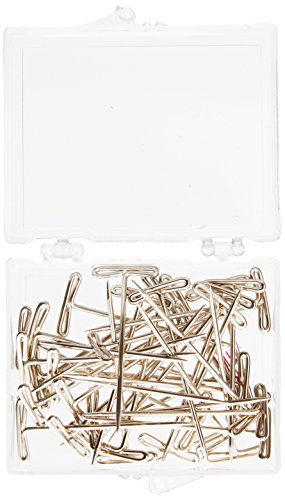
When you are just starting out, you don’t necessarily need the most expensive tools to get professional results. Boye’s rust-resistant T-pins are a reliable, accessible choice that gets the job done without breaking the bank.
These are perfectly functional for standard wool projects. They hold tension well and the T-bar is large enough to manipulate comfortably.
The downside is that they are generally made of a thinner gauge steel than premium options. If you are blocking heavy, wet-weighted garments like a bulky alpaca sweater, you may find that these pins bend more easily under the tension of the yarn.
HiyaHiya Stainless Steel Pins: Best for Durability
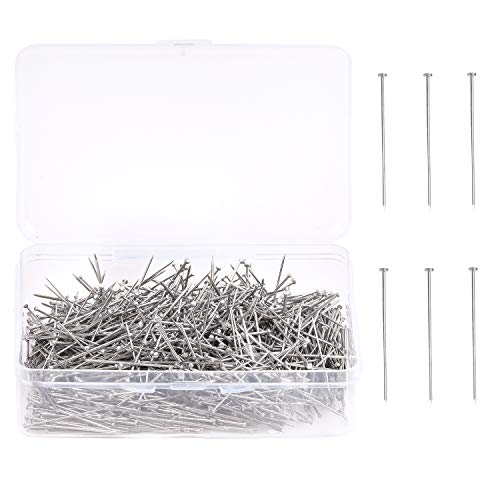
If you live in a humid climate or frequently block heavy, moisture-laden projects, stainless steel is non-negotiable. HiyaHiya pins are built to last a lifetime, resisting the oxidation that eventually plagues cheaper nickel-plated alternatives.
These pins have a satisfying weight and a very smooth finish. They slide through fiber with minimal resistance, which is essential when you are working with high-twist yarns that are prone to catching.
They are an investment, but they are a "buy it once" tool. You will never have to worry about replacing them due to rust spots appearing on your finished, damp garments.
Bead Landing Pearl Head Pins: Best for Visibility

Visibility is an underrated feature in blocking tools. Bead Landing pins feature large, colorful plastic heads that make it incredibly easy to see exactly where you have pinned, especially if you are working on a dark-colored project.
They are excellent for knitters who struggle with eye strain or who are working in low-light conditions. The colorful heads also make it much easier to perform a final "pin count" to ensure you haven’t left any behind in the fabric.
Be cautious, however, with the plastic heads near heat sources. While they are fine for standard blocking, they are not suitable for steam blocking where the heat might soften the plastic or cause it to react with the fiber.
Dritz Extra Long Quilting Pins: Best for Lace

Lace blocking requires precision and length to manage multiple layers of fabric or complex picot edges. Dritz extra-long quilting pins provide the reach necessary to anchor deep points securely.

Because they are longer, they provide more leverage when you are pulling a lace shawl into its final, stretched-out shape. This extra length helps keep the pins stable in the blocking mat even when the tension of the lace is pulling them at an angle.
The main drawback is that they are thinner than standard blocking pins. They can bend if you are too aggressive with your stretching, so use them with a gentle, steady hand to maintain their shape over time.
Why Stainless Steel Matters for Blocking Projects
Using non-stainless pins is a risk that most experienced knitters eventually learn to avoid the hard way. When moisture from a damp project sits against a non-stainless pin, it can cause rust, which leaves permanent, brownish-orange stains on your yarn.
- Avoid Nickel-Plating: Over time, the plating wears off, exposing the reactive metal underneath.
- Check the Label: Always look for "Stainless Steel" specifically, rather than just "Rust-Resistant."
- The Humidity Factor: If you live in a coastal or humid area, moisture in the air alone can trigger oxidation on low-quality pins.
Investing in stainless steel ensures that your hard work isn’t ruined at the very last second. It is the cheapest insurance policy for your hand-knit wardrobe.
How to Choose the Right Pin Size for Your Fiber
The diameter of your pin should match the weight of your yarn. Using a thick pin on a fine-gauge sock yarn can leave visible, permanent holes in the fabric, while a thin pin on a heavy wool sweater will simply bend and fail to hold the shape.
- For Lace/Fingering Weight: Use thin, high-quality stainless steel pins to avoid distorting the delicate stitch pattern.
- For Worsted/Bulky: Use thicker T-pins or Knit Blockers to handle the increased weight and tension of the wet fabric.
- For Superwash Wool: Be extra careful, as superwash fibers are more prone to stretching and can be easily distorted by overly thick pins.
Always test a pin in a small, inconspicuous area if you are worried about leaving a mark. If the pin slides in with resistance, it is likely too thick for that specific project.
Essential Tips for Perfect Blocking Techniques
Blocking is not just about stretching; it is about setting the stitches. Always ensure your project is damp, not dripping wet, before you begin pinning. This allows the fibers to relax and "bloom" as they dry.
Start by pinning your center points or corners first, then work your way out toward the edges. This "anchor-and-stretch" method ensures that your project remains symmetrical and balanced.
Finally, resist the urge to unpin your project too early. The fabric must be completely dry to the touch to ensure the shape is "set." If you remove the pins while the fibers are still damp, the project will likely shrink back or lose its crisp edge.
Blocking is the final act of love for every project, turning your stitches into a finished piece of art. By choosing the right pins for your specific fiber and project scale, you ensure that your hard work stands the test of time. Don’t be afraid to experiment with different tools until you find the set that makes your process feel effortless. Happy knitting, and enjoy the satisfaction of a perfectly blocked project.