
6 Best Smooth Cotton Yarns For Provisional Cast Ons
Choosing smooth cotton is vital for easy unraveling. We review six top yarns that ensure your provisional cast-on remains snag-free and professional every time.
A provisional cast on is the secret weapon for a seamless finish, but the wrong waste yarn can turn a simple project into a frustrating tangle. When you need to pick up those live stitches later, the texture of your scrap yarn becomes just as important as the project yarn itself. Choosing a smooth, non-fuzzy cotton ensures your stitches slide off cleanly without catching on unwanted fibers. This guide highlights the best options to keep your knitting stress-free and your edges pristine.
Scheepjes Catona: Best Mercerized Cotton Choice
Mercerization is a process that gives cotton a silky, polished finish, and Scheepjes Catona is the gold standard here. Because the fibers are treated to be smooth and lustrous, they don’t have the "hairy" halo that causes waste yarn to felt into your main project.
When you use this for a provisional cast on, you’ll notice it glides effortlessly through your stitches during the unzipping process. It’s tight, uniform, and remarkably resistant to snagging, even if you’ve left the waste yarn in place for weeks.
For those working on intricate lace or delicate heirloom garments, this is a top-tier choice. It provides enough structure to hold your cast-on edge firmly, yet it is slick enough to prevent the "locking" effect that happens with softer, unmercerized yarns.
KnitPicks Comfy Fingering: Best Soft Blend Pick
Sometimes you want a waste yarn that isn’t quite as rigid as pure mercerized cotton. KnitPicks Comfy Fingering is a blend of cotton and acrylic, which offers a slight bit of "give" while remaining remarkably smooth.
The acrylic content helps the yarn maintain its shape without being overly grabby. It’s particularly useful if you are working with a delicate wool that might be prone to pilling if it rubs against a rougher waste yarn.
Because it is a fingering weight, it won’t distort your gauge or stretch out your cast-on stitches. It is a reliable, workhorse option for knitters who want a balance between softness and structural integrity.
Rowan Summerlite 4 Ply: The Premium Smooth Option


Rowan Summerlite is a matte, high-quality cotton that feels exceptionally smooth to the touch. It lacks the fuzziness found in cheaper cottons, making it an ideal candidate for projects where you need to be absolutely sure the waste yarn won’t leave behind any stray fibers.
This yarn is best suited for high-stakes projects where you are worried about the waste yarn becoming "one" with your main yarn. Because the ply is so tight and consistent, it doesn’t split when you are picking up those live stitches on your needles.
While it is a premium choice, the investment pays off when you reach the end of a long, complex project. You won’t have to spend hours picking out tiny bits of lint from your final row.
Cascade Ultra Pima: Best For High Stitch Clarity

If you are working on a project with a very tight gauge, you need a waste yarn that is thin and smooth enough to not interfere with your stitch tension. Cascade Ultra Pima is famous for its incredible stitch definition and silky texture.
Because this yarn is so smooth, it doesn’t create friction against your working yarn. This is essential when you are performing a provisional cast on for something like a top-down sweater, where the cast-on edge needs to remain perfectly uniform.
This yarn is also very easy to see against darker project yarns, which helps when you are identifying the loops to pick up. It’s a reliable, professional-grade choice for any serious knitter’s stash.
Hobbii Rainbow Cotton 8/4: Best Budget Selection
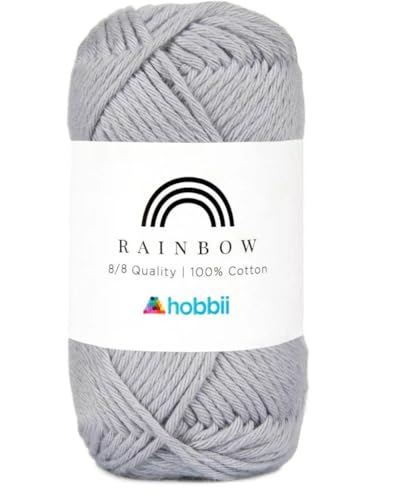
Hobbii Rainbow Cotton 8/4 is a staple for many because it is affordable and comes in a massive array of colors. For a provisional cast on, the color selection is actually a functional benefit; you can pick a high-contrast shade that makes your live stitches pop.
The yarn is a standard, non-mercerized cotton that is surprisingly smooth for its price point. It is thin enough to avoid adding bulk to your cast-on edge, which is a common problem with thicker, cheaper cottons.
While it doesn’t have the high-gloss finish of mercerized cotton, it is more than smooth enough for most provisional needs. It’s the perfect choice for keeping a large variety of colors on hand for different projects.
Patons Grace Yarn: Best For Ease Of Unraveling

Patons Grace is a lightweight, mercerized cotton that has a slight sheen and a very tight twist. This tight twist is the secret to why it is so easy to unravel; there are no loose fibers to catch or tangle.
If you are a knitter who tends to be a bit rougher with your tools or your yarn, this is a great choice. It can withstand a fair amount of manipulation without fraying or splitting, which is a common failure point for softer cottons.
It is particularly effective for provisional cast ons involving slippery materials like silk or mohair. The smooth surface of the Grace yarn acts as a clean release agent, allowing you to pull the waste yarn out with minimal resistance.
Why Smooth Cotton Is Essential For Provisional Casts
The primary goal of a provisional cast on is to leave you with live, open stitches that are identical in size to the rest of your work. If your waste yarn is fuzzy, it will interlock with the fibers of your main yarn, essentially "felting" them together.
Once this bonding occurs, you are no longer picking up stitches; you are fighting against the waste yarn. This often leads to stretched-out stitches, accidental dropped loops, or even broken fibers in your project yarn.
Smooth, mercerized, or tightly-plied cottons avoid this by creating a physical barrier that is slick. When you pull the waste yarn, it should slide out like a ribbon, leaving your stitches perfectly intact and ready for the needle.
How To Identify The Ideal Cotton For Your Project
When shopping for waste yarn, don’t just look at the label; perform the "fuzz test." Rub a small length of the yarn between your thumb and forefinger; if you feel resistance or see a halo of tiny fibers, it isn’t the best choice for a provisional cast on.
- Look for Mercerization: Mercerized cotton is almost always smoother than standard cotton.
- Check the Twist: A tighter, more defined twist indicates a smoother surface that won’t split.
- Contrast is Key: Choose a color that is starkly different from your project yarn to avoid "losing" stitches during the pick-up phase.
If you are unsure about a yarn, try a small swatch. Perform a 10-stitch provisional cast on, knit a few rows, and see how easily the waste yarn pulls out. If you have to tug, keep looking.
Essential Tips For A Clean Provisional Cast On
The most common mistake knitters make is using a waste yarn that is too thick. You want your waste yarn to be slightly thinner than your main yarn to ensure it doesn’t distort the size of the loops you are casting on.
Another critical tip is to leave a long tail of your waste yarn at the beginning and end of your cast on. Having extra length to grip makes the final unraveling process significantly easier, especially if you are working on a large piece.
Finally, avoid using a "sticky" yarn like wool or mohair for your provisional edge. Even if they are smooth, the scales on these fibers will naturally grip your project yarn, making them a nightmare to remove later.
Troubleshooting Common Cotton Yarn Snagging Issues
If you find yourself stuck with a snagged provisional edge, do not force the yarn. Instead, use a pair of sharp-tipped scissors to carefully snip the waste yarn every few inches between the stitches.
This releases the tension and allows you to pull out small, manageable segments rather than one long, tangled strand. It is a slow process, but it is far better than accidentally cutting your actual project yarn.
To prevent this in the future, consider using a smooth, cotton-covered polyester thread for very delicate lace projects. It is the ultimate "slick" material that will never, under any circumstances, snag on your main yarn.
Mastering the provisional cast on is a rite of passage that opens up endless possibilities for garment construction and finishing techniques. By selecting a smooth, high-quality cotton, you remove the friction that leads to frustration and damaged stitches. Take the time to curate a dedicated "waste yarn stash" of these reliable cottons, and your future self will thank you. Happy knitting, and may your cast-on edges always be seamless.
