7 Best Organic Cotton Threads For Seam Repairs
Repair your clothes sustainably with our guide to the 7 best organic cotton threads for seam repairs. Find the perfect durable, eco-friendly match for you today.
Maintaining the structural integrity of a hand-knitted garment often requires small, precise repairs to seams, dropped stitches, or fabric weaknesses. Choosing the right thread is just as critical as selecting the perfect yarn, as a mismatched fiber can lead to uneven tension or premature wear. Organic cotton threads offer a sustainable, high-quality solution that respects the natural drape of your wool or cotton projects. This guide breaks down the best options to ensure your repairs are as durable and invisible as the original construction.
Gütermann Organic Cotton: Best Overall Quality


Gütermann sets the industry standard for consistent diameter and strength, which prevents the frustrating snapping often encountered with lower-grade threads. Its smooth finish allows it to glide through delicate knitted fibers without snagging or causing undue friction that might compromise your work.
For those repairing seams on a wool cardigan or a structured cotton sweater, this thread provides the perfect balance of flexibility and tension. It holds knots securely and does not fray easily, even when pulled through tighter weave patterns.
While it sits at a higher price point, the reliability of this thread saves time by preventing the need for repeat repairs. Opt for this when working on high-traffic areas like underarms or cuffs where consistent stress is a daily reality.
Scanfil Organic Sewing Thread: Best Color Range
Scanfil stands out for its extensive palette, making it the premier choice for matching the complex, variegated colorways often found in hand-dyed yarns. A well-matched repair thread is the difference between an amateur fix and a professional-grade restoration.
Beyond the aesthetics, the thread is processed without harmful chemicals, ensuring the pH balance of the surrounding organic knitting project remains undisturbed. This is particularly important for delicate, hand-washed garments that might react to synthetic dyes or harsh residues.
Keep a few core shades of this brand in a sewing kit specifically for quick stitch repairs. It behaves predictably during hand-stitching, which makes it ideal for closing kitchener-stitch gaps or securing loose ends.
Fiberactive Organics Thread: Top Eco-Friendly Pick
This brand emphasizes environmental integrity, sourcing cotton that is grown and processed with minimal impact on local ecosystems. For the knitter dedicated to the ethics of slow fashion, this thread aligns perfectly with the values of using heirloom-quality, sustainable materials.
The thread is slightly matte in appearance, which helps it disappear into the texture of matte wool or linen fibers. It does not possess the artificial sheen that can make repairs stand out as “new” or jarring against the soft, matte surface of a hand-knitted fabric.
If the goal is to keep a project entirely organic, from the yarn down to the repair thread, Fiberactive is the definitive choice. Its tensile strength is moderate, so use it for light-duty structural reinforcement rather than heavy-duty denim patching.
Aurifil Organic 50wt Thread: For Fine Fabrics
When dealing with fine-gauge knitting—such as lace shawls or lightweight baby garments—a standard sewing thread can often appear too thick and bulky. The 50wt designation refers to the fineness of the thread, which allows it to pass through delicate stitches without adding unwanted weight or distorting the original gauge.
This thread is surprisingly strong for its thinness, offering a sleek, low-profile finish that stays hidden within the purl or knit side of the work. It behaves almost like a fine silk but retains the reliable, non-stretchy characteristics of cotton.
Use this thread for darning small holes in fingering-weight socks or securing loose buttons on knitwear. Its fine profile ensures the repair remains soft to the touch rather than creating a hard, uncomfortable knot inside the garment.
Coats Organic Cotton Thread: Best Budget Option
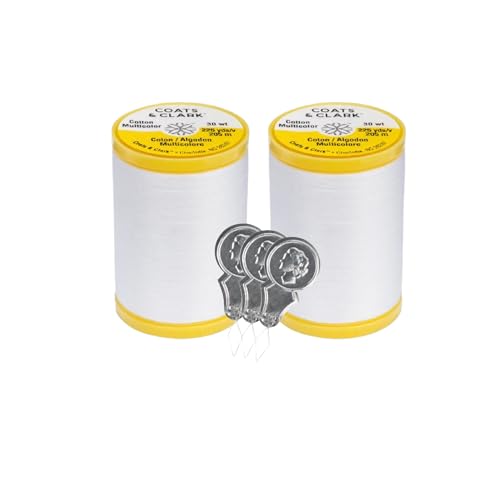
Coats is a reliable, widely accessible option that performs well for day-to-day maintenance without requiring a significant investment. It is an excellent choice for those who want to keep a variety of colors on hand for “just in case” repairs on everyday garments.
While it may have a slightly higher lint content than luxury-grade threads, it remains sturdy and manageable for most standard repair tasks. It is strong enough for reinforcing high-friction areas on cotton sweaters or repairing a dropped stitch in a heavy-weight knit.
This thread is a workhorse, serving as a functional, no-nonsense solution for the budget-conscious maker. It is best suited for reinforcing existing seams rather than creating major structural elements from scratch.
YLI Organic Cotton Thread: Strongest for Denim
Repairs on heavier items, such as the cuffs of denim-reinforced projects or thick, rustic wool jackets, require a thread with significant structural backbone. YLI offers a robust, tightly twisted cotton that resists snapping when subjected to the mechanical strain of heavier, denser fabrics.
This thread has a slightly thicker diameter, providing the necessary strength to anchor heavier yarns without snapping during the pull-through. It maintains its shape well, preventing the “bunching” that can occur when using thinner, less substantial threads on thick materials.
Choose this when you need a repair that will survive the rigors of the washing machine and consistent daily wear. It acts as a reliable bridge between heavy fabrics, ensuring the repair holds long after the work is complete.
Ecosew Organic Thread: Ideal for Hand Sewing
Ecosew is specifically engineered for hand-sewing applications, meaning it has a finish that resists tangling as you work. When pulling a long length of thread through a knitted swatch, this resistance to knotting prevents the dreaded “thread nest” that ruins the flow of a repair.
The thread has a natural, gentle texture that mimics the tactile feel of organic wool yarns, making it less likely to slide out of place or appear stiff. It secures well with standard knotting techniques and sits flat against the back of the knitting.
If you prefer to perform repairs while sitting on the couch with your knitting project, this is the most user-friendly option. It offers enough grip to stay put while you stitch, ensuring your repair is neat and secure.
Choosing Thread Weight for Different Fabrics
Selecting the right thread weight is a matter of matching the thread’s “heft” to the yarn’s weight. Using a heavy thread on a lightweight lace project will distort the stitches and create an unsightly ridge, while a thread that is too thin will break under the tension of a heavy, chunky sweater.
- Fingering or Lace Weight: Use a 50wt or higher thread to maintain a low profile.
- Sport or DK Weight: A standard 40wt to 50wt thread works effectively.
- Worsted or Bulky Weight: Opt for a 30wt or thicker thread to ensure the repair has enough strength to support the dense, heavy yarn.
Always consider the drape of the fabric when selecting your weight. A repair that is stiffer than the surrounding yarn will create a hard spot, potentially leading to comfort issues or future tearing at the edge of the repair.
Cotton vs. Poly Thread for Durable Repairs
The debate between cotton and polyester thread often centers on longevity and stretch. Polyester is inherently stretchy and strong, which sounds ideal, but it can actually cut through softer natural fibers like wool or mohair over time due to its lack of “give” in the same way cotton interacts with wool.
Cotton thread, by contrast, has a natural affinity for wool and other plant-based fibers. It tends to shrink and expand at a similar rate to organic cotton or wool yarn during washing, ensuring the repair does not “pucker” or pull the fabric out of shape after the first block.
If you are repairing an entirely natural fiber garment, sticking to organic cotton preserves the integrity of the piece’s natural lifecycle. Only opt for polyester if the project is being subjected to extreme, high-stress conditions where the strength of the synthetic outweighs the need for fiber compatibility.
How to Pre-Wash Your Organic Cotton Thread
While it might seem like an unnecessary step, pre-washing your thread is a professional technique for ensuring the long-term success of your repair. Organic cotton can experience slight shrinkage upon its first exposure to water and heat, just like your hand-knitted sweater.
To pre-wash, wind a length of thread around your fingers or a small card, secure the ends, and soak it in the same wash cycle or temperature as you intend to wash the finished garment. Allow it to air dry completely before using it for your repair work.
This simple act of preparation prevents the thread from shrinking after the repair is completed. By matching the thread’s behavior to the garment’s behavior, you ensure that the repair remains invisible and stable for years to come.
Selecting the right organic cotton thread is a commitment to the longevity of your hand-knitted creations. By matching the thread’s weight, finish, and material properties to your specific project, you ensure that repairs are not just functional, but also seamless and enduring. Taking these extra moments to choose the correct material honors the time and skill invested in every stitch of your original work.