6 Best Ergonomic Grips For Arthritis To Try Today
Managing arthritis pain is easier with the right tools. Discover six ergonomic grips designed to reduce joint strain and improve daily comfort and control.
Knitting should be a source of joy and creative expression, but for those living with arthritis, it can quickly turn into a painful endurance test. Finding the right ergonomic tools is not just about comfort; it is about reclaiming your hobby and protecting your joints for the long haul. With two decades of experience at the needles, I have learned that the smallest adjustment in grip geometry can make the difference between a finished sweater and a project abandoned in frustration. Let’s explore the best ergonomic solutions to help you knit pain-free.
Addi Swing Ergonomic Crochet Hooks: Best Overall
The Addi Swing hooks feature a unique, curved handle that is specifically engineered to sit naturally in the palm of your hand. When you are working on a long-term project like a complex blanket, the way a tool distributes pressure becomes paramount.


These hooks are fantastic because they encourage a "knife hold" or "pencil hold" that minimizes the need for a tight, claw-like grip. By providing a wider surface area, they prevent the cramping that often occurs when you are forced to pinch a thin, metal shaft for hours.
However, the unconventional shape does require a short learning curve. If you are deeply accustomed to traditional inline hooks, you may find the balance point feels slightly different at first. Once you adjust, the relief for arthritic knuckles is often immediate and significant.
Clover Amour Crochet Hook Set: Top Comfort Pick

Clover Amour hooks are widely considered the gold standard for a reason: the elastomer rubber handle is soft, grippy, and perfectly weighted. If you struggle with slippery metal hooks sliding out of your hands, the tactile surface of these handles provides just enough friction to keep your grip relaxed.
The head of the hook is also expertly finished, allowing it to glide through yarn fibers without snagging or splitting the plys. This is crucial for arthritis sufferers, as any resistance in the yarn requires more force to pull through, which in turn stresses the thumb and index finger joints.
The only real tradeoff here is the handle length, which is shorter than some other premium brands. If you have very large hands or a specific grip style that relies on long handle leverage, you might find them slightly cramped. For most knitters, however, they are the most reliable choice for comfort.
Boye Ergonomic Aluminum Hooks: Best Value Choice
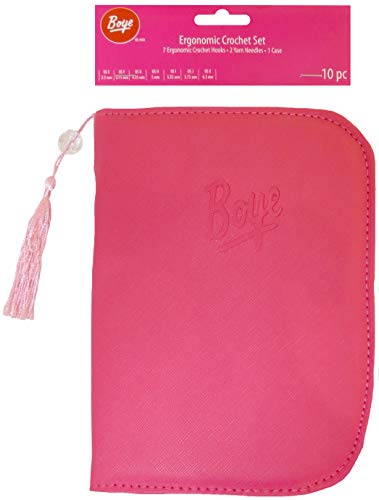
If you are looking for an affordable entry point into ergonomic tools, the Boye Aluminum line is a solid, no-nonsense option. These tools feature a wider, flattened thumb rest that helps stabilize your grip without requiring extra muscle tension.
They are particularly useful for beginners who are still figuring out their tension and grip style. Because they are made of lightweight aluminum, they don’t add unnecessary weight to your hands, which is a major factor when you are dealing with joint inflammation.
The finish on these hooks is quite slick, which makes them excellent for working with sticky fibers like wool or mohair. Just keep in mind that they lack the plush, cushioned feel of more expensive brands. If you have severe arthritis, you may eventually want to upgrade, but these are a perfect starting point.
Prym Ergonomic Knitting Needles: Best for Stiff Hands

Prym needles are a game-changer because they utilize high-performance synthetic materials that are remarkably lightweight and warm to the touch. When you have arthritis, cold metal needles can exacerbate stiffness; the synthetic material of Prym needles stays closer to body temperature.
The unique triangular shaft design is the real star here, as it reduces the amount of pressure needed to hold the needle securely. This shape also prevents the needles from rolling off your lap or the sofa, a small detail that saves you from unnecessary reaching and straining.
The tips are rounded and smooth, which is great for preventing finger pricks, though they may feel a bit "blunt" if you are used to very sharp lace needles. If you struggle with dexterity, the ergonomic shape of these needles provides a much more secure purchase than traditional round needles.
Tulip Etimo Red Hooks: Best for Precision Gripping

The Tulip Etimo Red hooks are famous for their perfectly balanced weight and the subtle, cushioned grip that feels like it was molded specifically for your hand. These are ideal for knitters who work on intricate projects, such as delicate lace or fine-gauge socks, where precision is everything.
The hook throat is deep and smooth, which significantly reduces the amount of "tug" required to pull yarn through a stitch. When you are knitting for extended periods, this reduction in repetitive force is the best defense against joint flare-ups.
They are an investment, but the quality of the finish ensures that they won’t snag your yarn, even after years of use. If you find that your hands fatigue quickly during detailed work, the precision engineering of the Etimo series is well worth the price.
Susan Bates Soft Handle Hooks: Best for Beginners

Susan Bates is a classic name in the fiber arts for a reason, and their soft-handled hooks are a reliable, accessible option for anyone just starting out. The handles are wider than standard hooks, providing a comfortable base that helps keep your hand in a neutral, relaxed position.
These hooks feature the classic "inline" head design, which is excellent for maintaining consistent gauge. For a beginner, mastering tension is hard enough without having to fight a tool that causes hand pain.
While they may not have the high-end ergonomics of more expensive brands, they are perfectly functional and durable. They are an excellent choice if you want to test the waters of ergonomic tools without committing to a large financial outlay.
How to Choose the Right Grip for Your Hand Health
When selecting a tool, consider how you hold your needles or hooks. If you tend to have a "death grip" on your tools, look for handles that are wider and textured to encourage a lighter touch.
- Weight: Always opt for lighter materials like aluminum, plastic, or resin to reduce wrist fatigue.
- Texture: If you have dry skin or struggle with grip, look for matte or rubberized finishes.
- Shape: Triangular or ergonomic-contoured handles are almost always better for arthritic hands than perfectly round ones.
Don’t be afraid to experiment with different sizes and materials. A tool that feels great for a worsted-weight wool project might not feel the same when you are working with slippery, fine-gauge silk or cotton.
Why Ergonomic Tools Reduce Knitting Pain and Strain
Ergonomic tools work by changing the mechanics of your hand movements, shifting the load away from the small, delicate joints of your fingers. By increasing the diameter of the handle, you allow your hand to grasp the tool using the larger muscles of your palm rather than the pinching muscles of your thumb.
This reduction in "pinch force" is the single most important factor in preventing repetitive strain injuries. When you don’t have to squeeze your tool to keep it from slipping, your tendons and nerves have room to move freely.
Consistent use of these tools can also help you maintain a more relaxed tension, which leads to more even stitches and a better-looking finished fabric. It is a win-win: your hands feel better, and your knitting looks more professional.
Proper Knitting Posture to Prevent Joint Fatigue
Your hands are only one part of the equation; your entire upper body posture affects how much strain your hands take on. Keep your elbows close to your body and avoid hunching your shoulders, as tension in your neck and back will travel directly down to your fingers.
Try to keep your wrists in a neutral, straight position rather than bending them at sharp angles. If you find yourself curling your wrists to get the needle into a stitch, you are likely using too much energy and inviting inflammation.
Take frequent "micro-breaks" every 20 minutes to drop your hands to your sides and shake them out. This simple act encourages blood flow and resets the tension in your forearms, helping you stay comfortable for longer sessions.
Essential Stretches for Knitters With Arthritis
Before you even pick up your yarn, take a moment to warm up your hands. Gently stretch your fingers by fanning them out wide and then curling them into a loose fist, repeating this motion five to ten times.
Wrist circles are also vital; rotate your wrists slowly in both directions to loosen up the tendons that connect your hands to your arms. You can also place your palms together in a "prayer" position and gently push them downward to stretch the underside of your forearms.
Never force a stretch to the point of pain. The goal is to improve circulation and flexibility, not to stress your joints further. If a stretch feels painful, stop immediately and try a gentler range of motion.
Navigating arthritis while maintaining your love for knitting is entirely possible with the right tools and a mindful approach. By choosing ergonomic needles and hooks that prioritize your joint health, you can continue to create beautiful, handmade items for years to come. Remember that your hands are your most precious tools, so listen to them, take breaks, and never hesitate to adjust your technique. Happy knitting, and may your stitches always be smooth and your hands remain pain-free.