6 Best Wool Wash Supplies For Cleaning Raw Fleeces
Cleaning raw fleece requires the right tools. We review the 6 best wool wash supplies to remove lanolin and dirt while keeping your fibers soft and clean.
Processing raw fleece is a transformative journey that turns a dirty, grease-laden bag of wool into the pristine, lofty fiber you dream of knitting into a sweater. While the process can feel intimidating, choosing the right scouring agent is the single most important step in ensuring your fiber remains soft, supple, and easy to spin. This guide breaks down the best supplies to help you navigate the messy but rewarding world of fleece preparation. Whether you are a beginner or a seasoned pro, finding the right wash will make all the difference in your final project.
Unicorn Power Scour: The Gold Standard for Fleeces


If you have ever opened a bag of raw Corriedale or Lincoln wool and felt overwhelmed by the sheer amount of suint and lanolin, Unicorn Power Scour is your best friend. It is specifically formulated to break down heavy grease without requiring the massive amounts of water or heat that can lead to accidental felting.
Unlike standard detergents, Power Scour is highly concentrated and rinses out with incredible efficiency. For a knitter looking to spin a consistent, airy yarn, removing all the "gunk" is essential for a smooth drafting experience. If there is residue left behind, your wheel or spindle will feel sticky, and your finished yarn will lack that signature woolly bounce.
The downside is that it is quite potent, so you must measure carefully. Use too much, and you might strip the fiber of its natural character; use too little, and you are just pushing the grease around. Bottom line: This is the gold standard for those who want a thorough, professional-grade clean with minimal effort.
Kookaburra Wool Wash: Gentle and Eco-Friendly
Kookaburra is a tea-tree oil-based wash that acts as both a cleaner and a mild disinfectant. It is incredibly popular among fiber artists who are sensitive to the harsh chemical smells often associated with heavy-duty scouring agents.
Because it is bio-degradable, it is a favorite for those who process their fleece in smaller batches at home. It leaves the wool smelling fresh and clean without the "soapy" residue that can sometimes make fibers feel slightly tacky or brittle after they dry.
However, it is not as aggressive as a heavy-duty scour, so it may struggle with very greasy, dark-grease fleeces like some Merino or high-lanolin Border Leicester. It is perfect for cleaning finished handknits or for lighter, cleaner fleeces. Bottom line: Choose Kookaburra if you prioritize a natural, gentle process and are working with cleaner, lower-grease wool.
Orvus WA Paste: The Professional Spinner’s Choice
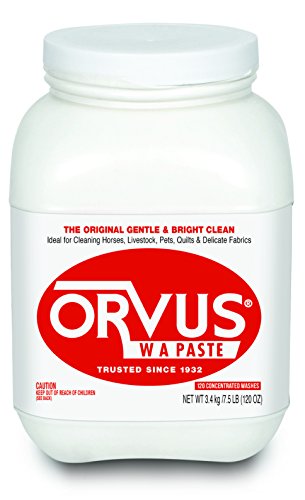
Orvus WA Paste has been a staple in the fiber community for decades, and for good reason. Originally designed for cleaning livestock, it is an incredibly effective surfactant that cuts through stubborn dirt and lanolin with surgical precision.
Because it is a paste, you will need to dissolve it in hot water before adding your wool. This extra step is a small price to pay for how effectively it lifts debris from the base of the staple. When you are preparing fiber for a complex project, like a stranded colorwork yoke, you want the cleanest possible base to ensure your dye takes evenly later on.
The main tradeoff is that it can be a bit drying if you are not careful with your water temperature. Bottom line: If you are processing large quantities of dirty, greasy fleece, Orvus is the most cost-effective and reliable tool in your arsenal.
Eucalan Delicate Wash: Best for Lanolin Retention

Eucalan is a no-rinse formula that contains lanolin, which helps keep the fiber supple and healthy. While you might think you want to strip all the lanolin out, some spinners prefer to retain a tiny bit to keep the fiber from becoming "thirsty" or static-prone during spinning.
This is not a heavy-duty scour meant for the first wash of a very dirty fleece. Instead, it is ideal for the final soak or for processing finer, softer wools that you don’t want to over-process. If you are preparing a delicate breed like Bluefaced Leicester, you want to maintain that signature luster.
Using Eucalan ensures the fiber remains soft, which makes it much easier to manage when you are knitting those intricate lace patterns. Bottom line: Use Eucalan for the final rinse or for high-quality, fine fibers where maintaining softness is more important than extreme grease removal.
Dawn Ultra Dish Soap: The Budget-Friendly Option
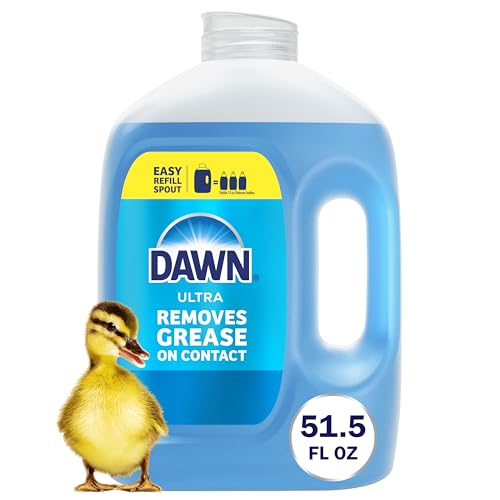
Many of us started our fiber processing journey with a bottle of Dawn from under the kitchen sink. It is a powerful degreaser that is readily available and undeniably effective at stripping lanolin from even the greasiest fleeces.
The catch is that dish soap is designed for plates, not protein fibers. It can be difficult to rinse out completely, and if you leave any residue, it can attract dust and grime to your finished knitting project over time. It also lacks the pH-balancing properties of specialized fiber washes.
If you are on a tight budget, it works in a pinch, but be prepared to rinse, rinse, and rinse again. Bottom line: It is a great "emergency" option, but consider upgrading to a dedicated fiber wash as your fleece processing hobby grows.
Synthrapol Detergent: Essential for Dye Removal

Synthrapol is a non-ionic detergent that is technically a wetting agent, not a traditional soap. It is the gold standard for removing excess dye from hand-dyed yarns and fleeces, and it is essential if you plan on dyeing your own wool.
When you scour a raw fleece with Synthrapol, you are ensuring that the fiber is completely neutral and ready to accept dye molecules evenly. If you are a knitter who loves to experiment with acid dyes, having a bottle of this on hand is non-negotiable.
It is not meant for everyday cleaning, as it is quite harsh on the natural oils of the fiber. Bottom line: Keep Synthrapol specifically for your dyeing projects to ensure vibrant, colorfast results.
Understanding Scouring Agents and pH Balance
Wool is a protein fiber, meaning it is sensitive to the pH levels of your wash water. Most wool detergents are slightly acidic or neutral, which helps keep the scales of the wool fiber closed and smooth.
If your scouring agent is too alkaline, it can cause the scales to open up, which leads to tangling, matting, and eventually, felting. This is why you should never use harsh household bleach or heavy-duty laundry powders on your raw fleece.
- Acidic: Helps keep the cuticle smooth (good for luster).
- Neutral: Safe for most washing steps.
- Alkaline: Can damage the fiber and cause felting.
How to Properly Soak Raw Wool Without Felting
The "Golden Rule" of washing fleece is to avoid thermal shock and agitation. Sudden changes in temperature—like moving wool from hot water to cold water—will cause the fibers to felt instantly, effectively ruining your fleece.
Always use the "soak and lift" method: gently submerge the wool, let it sit, and then lift it out to drain. Never scrub, wring, or agitate the wool, as this mimics the action of a washing machine and will turn your beautiful locks into a solid mat.
- Fill your basin with hot water and detergent before adding the wool.
- Gently submerge the fleece without pushing it down.
- Let it soak for 20–30 minutes, then lift it out to drain.
Essential Tools for Processing Raw Fleece at Home
Beyond the detergent, you need a few key tools to make the job easier and more successful. A large basin or a dedicated utility sink is vital, as you need plenty of room for the water to circulate through the fiber.
You will also want:
- Mesh laundry bags: To keep locks organized and prevent them from floating away.
- A thermometer: To ensure your water temperature stays consistent (ideally around 140°F for scouring).
- Rubber gloves: To protect your hands from the heat and the grease.
Expert Tips for Drying and Storing Cleaned Wool
Once your wool is clean, drying is the next hurdle. The best way to dry raw fleece is to spread it out on a drying rack or a mesh screen in a shaded, well-ventilated area.
Avoid direct sunlight, which can make the wool brittle, and never use a tumble dryer. Once the fleece is completely dry, store it in breathable cotton bags or paper boxes. Avoid plastic bags, as they trap moisture and can lead to mold or mildew, which will ruin your hard work.
Preparing your own fleece is a deeply satisfying way to connect with the origins of your craft, turning a raw agricultural product into a luxurious material for your needles. By selecting the right scouring agent and treating the fiber with patience, you ensure that your hand-spun yarn will be a joy to knit with for years to come. Take your time, experiment with these supplies, and enjoy the unique character that only raw, home-processed wool can provide. Happy knitting!