6 Best Lint Shavers For Yarn Maintenance To Try
Keep your knitwear pristine with our top 6 lint shavers. Discover the best tools for removing pilling and extending the life of your favorite yarn garments.
There is nothing more heartbreaking than seeing your labor-intensive, hand-knit sweater develop unsightly pills after just a few wears. As a knitter, you invest hours of your life into every stitch, so maintaining the pristine look of your work is a natural priority. Choosing the right tool to remove fuzz is just as critical as selecting the right needle size for your gauge. This guide will walk you through the best lint shavers to keep your finished objects looking as fresh as the day you bound off.
Conair Fabric Shaver: The Best Overall Choice


The Conair Fabric Shaver has become a staple in my knitting bag for a reason. It balances power and safety remarkably well, making it the most reliable workhorse for a wide variety of wool blends.
If you are dealing with a heavy-weight, rustic wool sweater that has seen a season of friction, this device clears the surface without snagging the stitches. The large shaving head covers a significant surface area, which is a lifesaver when you are trying to refresh a bulky-knit cardigan.
The main trade-off here is the battery requirement, which can be a bit of a nuisance if you prefer rechargeable tools. However, the consistent motor speed ensures you aren’t leaving uneven patches behind. It remains the most dependable all-rounder for the average knitter’s collection.
Philips Fabric Shaver: Precision for Knits
When you are working with finer, more delicate gauges—like a fingering-weight shawl or a tight-gauge sock—you need a tool that offers surgical precision. The Philips Fabric Shaver excels here because of its specialized blade height.
This tool is designed to skim the surface of the fabric, effectively clipping the pills without catching on the individual plies of your yarn. If you’ve ever accidentally nicked a strand of expensive hand-dyed merino, you know exactly why this level of control matters.
It is particularly effective on smoother, tightly twisted yarns that tend to pill in high-friction areas like underarms. For the knitter who prioritizes the longevity of intricate stitch patterns, this is an essential precision instrument.
Beautural Lint Remover: Best Value Option
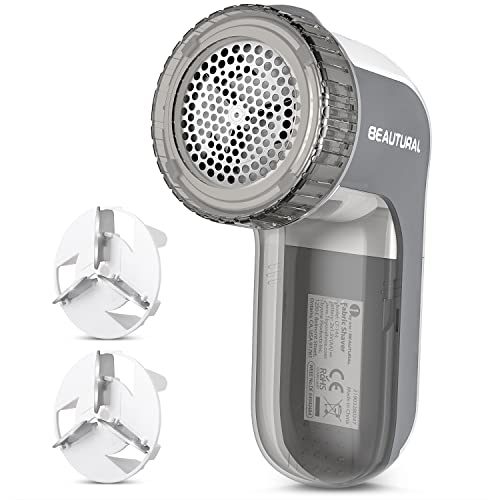
You don’t always need to break the bank to maintain your knitwear. The Beautural Lint Remover is a fantastic entry-level choice that doesn’t sacrifice effectiveness for a lower price point.
It features a sturdy mesh guard that prevents the blades from getting too close to the fabric, which is a common fear for beginners. If you’re nervous about "shaving" your hard work, this device offers a great deal of peace of mind.
While it might take a few extra passes compared to high-end models, the results are consistently clean. It is the perfect tool for the knitter on a budget who wants to keep their projects looking sharp without over-investing in equipment.
Gleener Fabric Shaver: Best for Delicate Fibers
The Gleener is unique because it isn’t electric; it uses a series of interchangeable edges designed for different fabric weights. This manual approach gives you complete tactile feedback as you work.
For delicate fibers like mohair, alpaca, or hand-spun singles, the manual control is a game-changer. You can feel exactly how much tension you are applying, which prevents the accidental stretching or tearing of fragile, haloed fibers.
Because it relies on your hand movement rather than a motor, you never have to worry about snagging on a loose stitch. This is the safest choice for heirloom-quality knits that require a gentle, manual touch.
Bymore Electric Shaver: Best for Large Projects
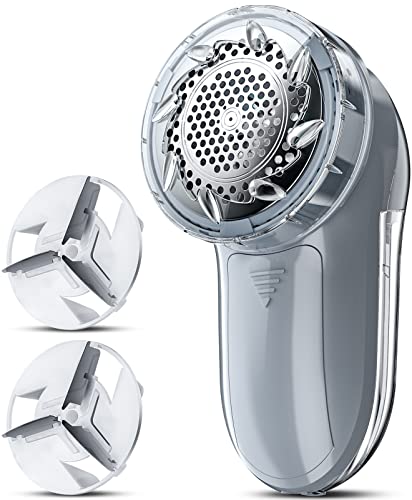
If you’ve spent months knitting a king-sized blanket or a series of sweaters for the whole family, you need a tool that can handle volume. The Bymore Electric Shaver features an oversized head that makes quick work of large surface areas.
The high-capacity battery is designed for long sessions, meaning you won’t be tethered to a wall outlet or constantly swapping batteries. It is robust enough to handle the pilling that happens on synthetic-blend yarns, which often pill more aggressively than pure wool.
The main consideration is its size; it’s a bit bulky for small, tight areas like the cuffs of a sleeve. However, for blankets and large-scale garments, the time saved is well worth the trade-off.
Remington Fuzz-Away: Best Portable Solution
Sometimes you notice a stray pill while you’re out and about, or perhaps you’re traveling to a knitting retreat. The Remington Fuzz-Away is compact enough to tuck into a project bag without taking up space.
Despite its small footprint, it provides surprising power for quick touch-ups. It is ideal for those high-friction areas on socks or the elbows of a sweater that might need a quick refresh before a dinner out.
It is not meant for deep-cleaning a heavily pilled garment, but for on-the-go maintenance, it is unmatched. Keep one in your travel kit so you’re never caught off guard by a fuzzy sweater.
Understanding Pilling in Natural Fiber Yarns
Pilling is an inevitable part of the life cycle of natural fibers. It occurs when short fiber ends migrate to the surface of the yarn and tangle together due to friction.
- Fiber Length: Shorter-staple fibers, like some varieties of alpaca or lower-grade wool, pill more readily than long-staple fibers like Bluefaced Leicester or silk.
- Twist: A loose, soft twist allows fibers to escape the yarn structure more easily, leading to more pilling.
- Friction: Areas of constant movement, such as underarms and inner thighs on leggings, will always show wear first.
It is a common misconception that pilling means your yarn is "cheap." In reality, even the finest cashmere will pill because it is a soft, natural fiber. Think of it as a sign that your garment is well-loved and well-worn.
How to Safely De-fuzz Your Hand-Knit Garments
When you are ready to shave your garment, always start by laying it completely flat on a hard, stable surface. Never try to shave a garment while you are wearing it, as the fabric needs to be taut to avoid being pulled into the blades.
Work in small, gentle circular motions rather than pressing hard into the fabric. If you find a particularly stubborn pill, use your fingers to gently lift it away rather than forcing the shaver to do all the work.
Always test an inconspicuous area—like the inside hem or an underarm—before tackling the front of a sweater. This allows you to see how the fabric reacts to the blade height and ensures you won’t cause any damage to the visible parts of your work.
Essential Tips for Maintaining Your Knitwear
Proper maintenance starts long before you reach for a lint shaver. Washing your knits with a high-quality wool wash that contains lanolin can help soften the fibers and keep them supple, which reduces the propensity for tangling.
- Avoid Over-Washing: Wool is naturally antimicrobial; airing out your knits is often enough.
- Storage Matters: Store your sweaters folded rather than on hangers, as hanging can distort the weight of the stitches and cause unnecessary stretching.
- Rotate Your Knits: Give your garments a "rest day" between wears to allow the fibers to recover their shape.
If you find that a garment pills excessively, it may be a result of your gauge choice. Knitting at a tighter gauge can sometimes lock fibers in place more effectively, preventing them from migrating to the surface.
Frequently Asked Questions About Lint Shavers
Will a lint shaver ruin my hand-knits? Not if used correctly. The key is to choose a tool with an adjustable guard and always work on a flat, firm surface.
Can I use these on mohair? Be very careful. Mohair is intended to be fuzzy, and a shaver may remove the very halo that makes the yarn beautiful. Stick to manual removal for delicate, fluffy fibers.
How often should I shave my sweaters? Only as needed. Over-shaving can eventually thin the fabric, so treat it as a periodic refresh rather than a daily habit.
Maintaining your knitwear is an act of respect for the time and skill you poured into your creations. With the right tools and a gentle hand, you can ensure your favorite sweaters stay in your rotation for years to come. Remember that a little bit of fuzz is just proof that your hand-knits are truly loved. Happy knitting, and enjoy the process of keeping your work looking its absolute best.