7 Best Blocking Foam Tiles For Intricate Lace
Discover the 7 best blocking foam tiles for intricate lace. Learn how to choose durable, heat-resistant surfaces that ensure your delicate projects stay flat.
Blocking is the final, transformative step that turns a crumpled piece of lace into a professional-looking masterpiece. Choosing the right foam tiles can make the difference between a frustrating afternoon of pinning and a smooth, meditative finishing process. These mats provide the stable, pin-friendly surface required to open up delicate stitches and set your fiber’s final shape. Here are the top seven options to help you achieve perfect symmetry in your next lace project.
Knitter’s Pride Lace Blocking Mats: Best Overall
These mats are the industry standard for a reason, striking a perfect balance between density and ease of use. They are firm enough to hold a T-pin securely without wobbling, yet soft enough to allow for easy insertion.
The generous size and consistent interlocking edges mean you can create a seamless surface for almost any project size. Whether you are blocking a delicate fingering-weight shawl or a heavy wool blanket, they hold up well over years of repeated use.
If you are looking for a reliable, "set it and forget it" solution, these are your best bet. They are worth the investment for any knitter who plans on blocking more than one project a year.
KnitIQ Blocking Mats with Grid: Best for Precision


When you are working on complex lace motifs, symmetry is everything. The printed grid lines on these mats are a game-changer for ensuring your points are even and your edges are perfectly straight.
The mats are designed with a slightly higher density, which prevents the edges from curling up during the drying process. This is particularly helpful when you are working with slippery fibers like silk or bamboo blends that tend to fight against your blocking pins.
If you struggle with getting your lace motifs to align perfectly, the visual guide provided by these grids is invaluable. They take the guesswork out of measuring, allowing you to focus on the tension of your pins.
Boye Interlocking Blocking Tiles: Best Budget Pick
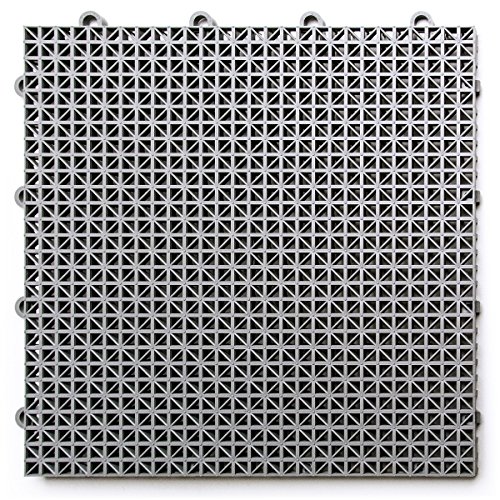
You don’t always need top-tier equipment to get professional results. The Boye tiles offer a functional, no-frills surface that gets the job done without breaking the bank.
While they are slightly thinner than premium options, they provide enough depth for standard T-pins. They are an excellent choice for beginners who are just starting to experiment with blocking and aren’t ready to commit to a high-end set.
Keep in mind that these may show wear faster if you are using heavy-duty blocking wires or thick pins. For standard lace weight projects, however, they are a perfectly capable, economical choice.
Exquiss Extra Thick Blocking Boards: Best Durability

If you find yourself blocking heavy wools or projects that require a lot of tension, you need a mat that won’t compress or warp. The extra thickness of these boards provides superior structural integrity.
The increased density means that your pins are less likely to poke through the bottom of the mat, protecting your table or floor surface. This is a significant advantage if you are working in a tight space where you have to move your blocking setup frequently.
While they are bulkier to store, the longevity of these boards makes them a smart choice for the serious lace knitter. You won’t have to worry about replacing them after a few seasons of heavy use.
Clover Blocking Mats: Best for Small Lace Projects

Sometimes you aren’t blocking a massive shawl; you’re just finishing a pair of lace socks or a delicate baby bonnet. Clover’s smaller tiles are perfect for these targeted tasks.
Because they are compact, they are easy to store in a project bag or a small drawer. They are also incredibly portable, making them a great companion if you like to finish your projects while traveling or at knitting retreats.
Don’t let the size fool you; the quality of the foam is excellent and holds pins firmly in place. They are the ideal choice for knitters who prioritize convenience and space-saving design.
Magknits Blocking Tiles: Best for Large Shawls

Blocking a massive, intricate lace shawl requires a significant amount of surface area. These tiles are designed to interlock in a way that creates a large, stable workspace without feeling disjointed.
The surface texture is specifically engineered to grip onto the yarn slightly, which helps keep your lace points in place while you are adjusting your tension. This is a major benefit when you are managing a large, sprawling piece that wants to shift around.
If your knitting queue is full of large-scale lace projects, investing in a set that allows for a wide, continuous blocking area is essential. These tiles make the process of pinning out a large shawl much less daunting.
FoamCore Blocking Mats: Best Professional Choice
For those who treat their knitting as a professional craft, these mats offer the highest level of performance. They are engineered to be heat-resistant and moisture-wicking, which is a massive help when you are steam-blocking delicate fibers.
The material is incredibly resilient, meaning it won’t develop those annoying "pin holes" that eventually make cheaper mats lose their grip. You are paying for a tool that is designed to last a lifetime of heavy-duty use.
While they are a premium purchase, the difference in handling is noticeable from the first project. If you value longevity and consistent performance, these are the gold standard.
Why Grid Lines Are Essential for Intricate Lace
Intricate lace relies on geometry to reveal its true beauty. Without a reference point, it is incredibly easy to accidentally pull one side of a shawl tighter than the other, resulting in a lopsided finished object.
Grid lines act as your "eye" for symmetry. They allow you to count squares instead of using a ruler for every single point, which saves time and significantly reduces the potential for human error.
Even if you think you have a good "knitter’s eye," the grid keeps you honest. It ensures that your lace motifs are stretched uniformly, which is the secret to that crisp, professional look we all strive for in our finished work.
How to Properly Pin Your Lace for Best Results
Start by soaking your project in lukewarm water with a gentle wool wash, ensuring the fibers are fully saturated. Gently squeeze out the excess moisture with a towel—never wring it—before laying it out on your tiles.
Begin pinning from the center of the piece and work your way outward, which helps maintain the intended shape. Use rust-proof T-pins to avoid any staining on your delicate work, especially if you are using light-colored yarn.
Don’t be afraid to use a generous number of pins. For intricate lace, pinning every single point or scallop is necessary to ensure the pattern opens up fully and stays that way once dry.
Essential Care Tips for Your Blocking Tile Set
To keep your mats in top condition, always ensure they are completely dry before stacking or storing them. Trapping moisture between the tiles can lead to mold or mildew, which can ruin both your mats and your future projects.
Avoid using harsh cleaners on the surface; a simple wipe-down with a damp cloth is usually enough to remove any dust or stray fibers. If you notice the foam starting to lose its "spring," let it air out for a few days in a well-ventilated area.
Finally, treat your mats with care by storing them flat. Even high-quality foam can develop a permanent bend if it is stored under heavy items for long periods of time.
Blocking is the final act of love for your hand-knit lace, and having the right tools makes that act much more rewarding. Whether you prioritize the precision of grid lines or the portability of smaller tiles, your choice of blocking mat will directly influence your finished results. Take your time with the pinning process, trust your tools, and enjoy watching your intricate patterns bloom. Happy knitting, and may your points always be sharp and your symmetry perfect.