6 Best Soft-grip Handles For Loom Picks Worth Owning
Discover the top 6 soft-grip loom picks designed for comfort and precision. This guide evaluates ergonomic handles that reduce strain for every weaver.
Loom knitting is a rhythmic, meditative craft, but hours of repetitive motion can quickly lead to cramping and fatigue. The humble loom pick is the primary extension of your hand, making the choice of handle just as critical as the choice of yarn. A poorly designed hook can turn a relaxing evening of hat-making into an exercise in endurance. Investing in a tool that prioritizes your physical comfort is the smartest upgrade you can make for your craft.
KB Looms Ergonomic Pick: Best Overall Pick Choice


The KB Looms Ergonomic Pick is widely considered the gold standard for a reason. Its design mimics the natural curvature of the palm, which helps distribute pressure evenly across the hand rather than concentrating it on your thumb and index finger.
When you are working on a large-scale project like a chunky blanket, the weight of the yarn and the tension of the stitches add up. This tool’s handle provides enough bulk to keep your grip relaxed, preventing the "death grip" that often causes forearm strain.
The metal tip is durable and smooth, ensuring it doesn’t snag on delicate fibers like mohair or loosely plied wool. If you are looking for a reliable, all-purpose workhorse, this is the tool to keep in your primary knitting bag.
Authentic Knitting Board Comfort Grip Loom Tool
This tool is a fantastic option if you prefer a slightly softer, more tactile feel during your looming sessions. The grip is engineered to provide a bit of "give," which is incredibly helpful for knitters who suffer from minor joint stiffness.
Because the handle is slightly textured, it remains secure in your hand even if your palms get a bit clammy during a long session. This stability is vital when you are pulling thick, super-bulky yarn through tight pegs, as it prevents the hook from slipping and dropping a stitch.
It is a balanced tool, neither too heavy nor too light. It offers a great middle-ground for those who find standard metal hooks too thin but don’t want something overly bulky or cumbersome.
Boye Ergonomic Loom Hook with Soft Rubber Handle
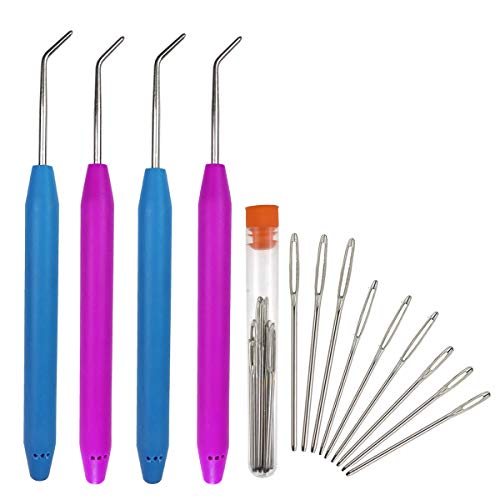
Boye has long been a staple in the craft world, and their ergonomic loom hook reflects years of feedback from the fiber arts community. The soft rubber handle is designed specifically to reduce the vibration and impact felt when you snap the hook over the pegs.
This is particularly useful if you are working with high-tension stitches or using non-elastic synthetic yarns. When you knit with acrylics or rigid fibers, there is less "bounce" in the fabric, which can send shockwaves back into your fingers; this rubber grip acts as a shock absorber.
One minor trade-off is that the rubber can attract lint over time. Keep a bit of tape or a damp cloth nearby to wipe it down, and it will remain as grippy as the day you bought it.
CinDWood Crafts Comfort Grip Loom Hook Selection

CinDWood is known for quality, and their comfort grip hooks are often praised for their ergonomic geometry. These handles are shaped to encourage a neutral wrist position, which is essential for preventing long-term repetitive strain injuries.
If you are someone who knits for hours at a time, the ergonomic angle of this hook is a game-changer. It allows you to maintain a consistent gauge without having to manually adjust your hand position every few minutes to alleviate discomfort.
These are excellent for knitters who use a variety of loom brands, as the hook shape is versatile enough to navigate different peg diameters. It is a professional-grade tool that feels substantial and reliable in your hand.
Leisure Arts Soft-Grip Loom Hook for Beginners

If you are just starting your journey into loom knitting, you might be tempted to use the basic plastic hook that comes with your loom. I strongly recommend upgrading to the Leisure Arts Soft-Grip hook immediately to establish good habits.
The handle is sized perfectly for someone still learning to control their tension. It isn’t so large that it feels awkward, but it is much more forgiving than a bare metal shaft. It provides just enough cushioning to make the first few practice hats feel like a breeze.
Don’t let the "beginner" label fool you; many experienced knitters keep these in their kits because they are lightweight and easy to pack. It is a fantastic, no-nonsense tool that gets the job done without any unnecessary frills.
Darice Ergonomic Loom Hook for Extended Projects

When you are tackling a complex project like a colorwork cowl or a long scarf, you need a tool that won’t let you down halfway through. The Darice Ergonomic Loom Hook features a high-visibility handle that is easy to spot in your craft room and comfortable for long-term use.
The handle design is slightly elongated, which provides more leverage for those who prefer to hold their hook like a pen. This leverage is particularly helpful when you are working with tight gauge projects where you need a bit more power to lift the bottom loop over the top.
While it is a sturdy tool, it is best suited for those who prefer a firmer grip. It doesn’t have the squishiness of some other models, but it offers excellent control and precision for intricate stitch patterns.
Why Ergonomic Handles Reduce Hand Strain in Looming
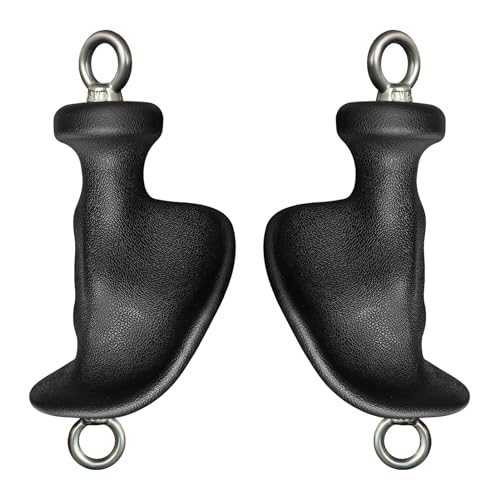
Hand strain in looming usually stems from two things: repetitive motion and improper grip diameter. When a handle is too thin, your hand muscles must contract tightly to maintain control, leading to cramping.
Ergonomic handles increase the surface area of the tool, allowing your hand to remain in a more relaxed, open position. This simple change allows for better blood flow and reduces the tension in your tendons.
- Increased Surface Area: Spreads pressure across the palm.
- Reduced Friction: Softer materials prevent calluses.
- Neutral Wrist Alignment: Minimizes the risk of nerve compression.
By choosing an ergonomic handle, you are essentially investing in the longevity of your hobby. You want to be able to knit well into your later years, and protecting your hands is the best way to ensure that happens.
Materials Comparison: Rubber vs. Silicone Grip Tools
The material of your grip matters as much as the shape. Rubber grips are generally softer and offer more "tack," which is great if you have dry skin or find your hook slipping.
Silicone, on the other hand, is often smoother and more durable. It doesn’t degrade as quickly as some rubbers and is much easier to clean, making it a favorite for knitters who work with sticky or waxy fibers.
- Rubber: Best for maximum grip and shock absorption; can attract dust.
- Silicone: Best for durability and ease of cleaning; smoother texture.
Consider your own environment and hand chemistry. If you live in a humid climate, you might prefer the slightly less porous nature of silicone. If you need maximum traction, a high-quality rubber grip is likely your best bet.
How to Select the Right Hook Size for Your Yarn
While the handle is about comfort, the hook size is about physics. If you use a hook that is too large for your yarn, you will constantly split the plies and struggle to pull the loop through.
Conversely, a hook that is too small for a bulky yarn will make the process feel like a tug-of-war. Always match your hook to the yarn weight; a standard medium-weight yarn works best with a medium-sized hook.
- Fine/Fingering weight: Small hook for precision.
- Worsted weight: Standard hook for general projects.
- Bulky/Super Bulky: Larger hook to accommodate the yarn diameter.
If you find yourself having to force the hook through the pegs, don’t just push harder. Switch to a hook that allows the yarn to sit comfortably in the throat of the tool without tension.
Maintaining Your Loom Picks for Long-Term Comfort
Your tools are an extension of your creative process and deserve regular maintenance. After every few projects, take a moment to inspect the neck of the hook for any burrs or rough spots that might snag your yarn.
If the handle has become grimy, a gentle wipe with a mild soap solution is usually enough. Avoid harsh solvents, as they can break down the rubber or silicone grips over time, leading to a sticky or crumbling surface.
Store your picks in a dedicated case or roll rather than tossing them into a bin. Keeping them organized prevents the metal tips from bending or getting scratched, ensuring they remain smooth and ready for your next cast-on.
Finding the right loom pick is a deeply personal process that balances your physical needs with your specific knitting style. Whether you prioritize a soft, shock-absorbing rubber grip or a firm, precision-engineered handle, the goal is always the same: to make your craft as comfortable as possible. Don’t be afraid to experiment with different shapes and materials until you find the one that feels like a natural part of your hand. Your hands carry you through every project, so treat them to the best tools available.