7 Best Floor Stands For Ergonomic Posture To Use
Improve your workspace comfort with our top 7 floor stands. Discover ergonomic solutions designed to reduce strain and boost productivity throughout your day.
Knitting for hours on end is a labor of love, but it often exacts a toll on your neck, shoulders, and wrists. Bringing your project up to eye level is the single most effective way to prevent the dreaded "knitter’s hunch" and repetitive strain. Investing in a high-quality floor stand transforms your crafting experience from a physical endurance test into a comfortable, sustainable practice. These seven stands represent the gold standard for maintaining perfect posture while you work through your stash.
The Hearthside Craft Chair: Best Overall Choice


The Hearthside Craft Chair is less of a stand and more of a complete ergonomic ecosystem for the dedicated maker. It integrates a seat with a built-in frame holder, ensuring your project is always perfectly positioned relative to your body.
This design is a godsend for those who struggle with lower back pain during long sessions. By anchoring the frame to the chair itself, the stand moves with you, eliminating the constant readjustments required by freestanding models.
The primary tradeoff here is its footprint; this is a piece of furniture, not a portable accessory. If you have a dedicated craft corner, it is an unparalleled investment in your long-term physical health.
Lowery Workstand: Top Pick for Serious Knitters
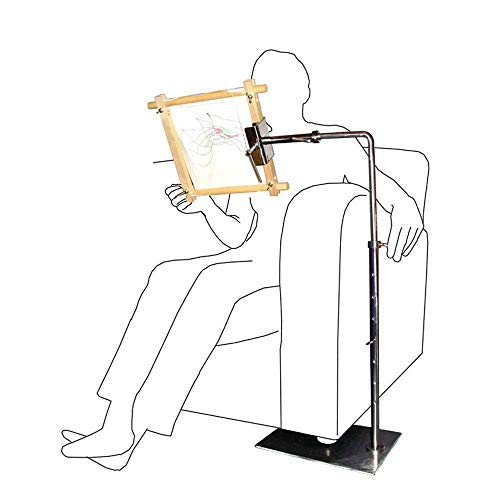
The Lowery is the industry standard for a reason: its unique, highly adjustable "L" shape allows you to bring your work exactly where you need it. It is incredibly popular among those who knit complex lace or stranded colorwork, where constant chart-referencing is required.
Because it is made of sturdy metal, it provides a vibration-free experience that keeps your stitches consistent. If you are working with slippery materials like silk or bamboo yarn, the stability of this stand ensures your needles don’t slide around while you reach for a cup of tea.
Be aware that the learning curve for the various joints and knobs can be steep for beginners. Once you master the positioning, however, it offers a level of ergonomic customization that few other stands can match.
Weaver’s Delight Floor Stand: Best for Stability
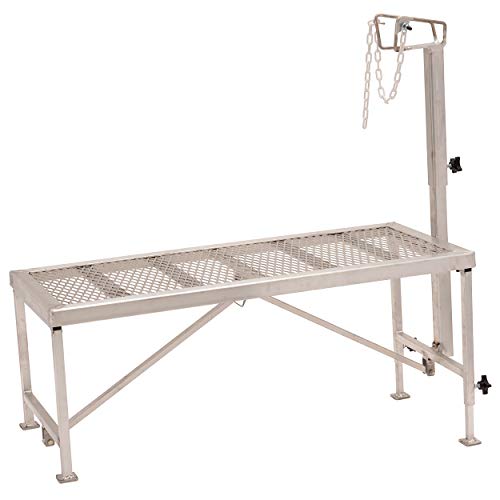
If you are a fan of heavy, large-scale projects like wool blankets or dense, cabled sweaters, stability is your primary concern. The Weaver’s Delight is built with a wide base that prevents wobbling, even when you are pulling tension on thick, worsted-weight yarns.
This stand is particularly useful for knitters who use heavy circular needles or long wooden straight needles. The weight of the yarn itself can often pull a flimsy stand off-balance, but this model stays firmly planted on your floor.
The downside is that it is not the most graceful piece of equipment to move around a small living room. It is a workhorse designed for longevity and heavy-duty use rather than quick storage.
The Stitch Master Stand: Best Ergonomic Design

The Stitch Master excels at versatility, offering a wide range of angles that accommodate almost any seating arrangement. Whether you prefer to knit in a deep armchair or a straight-backed dining chair, this stand adjusts to meet your posture needs.
Its ergonomic brilliance lies in the ability to tilt your project toward you, which reduces the need to lean forward and strain your neck. This is essential for preventing the chronic tension that often settles in the trapezius muscles after hours of stockinette stitch.
While it is highly adjustable, you must ensure all knobs are tightened securely before starting your work. It is an excellent choice for knitters who value comfort and want to avoid the physical fatigue that leads to uneven gauge.
Fidget Free Knitting Stand: Best Portable Option

For the knitter who frequently attends guilds, retreats, or coffee shop meetups, the Fidget Free stand is a game-changer. It is designed to be lightweight and collapsible, making it easy to tuck into a project bag or the trunk of your car.
Portability often comes at the cost of stability, but this stand manages to strike a decent balance for lighter projects. It is perfect for sock knitters working on 2.25mm needles or those focusing on small-gauge accessories.
Do not expect this stand to hold up a heavy, multi-pound blanket project without some swaying. It is a specialized tool for the mobile maker who refuses to sacrifice posture while on the go.
Ashford Table and Floor Stand: Best Versatility

Ashford is a legendary name in fiber arts, and their combined table and floor stand reflects their deep understanding of the craft. It is modular, allowing you to switch between a tabletop configuration and a full floor stand depending on your current project.
This is the best option for knitters who rotate between different types of work, such as small lace shawls and larger garment pieces. You can easily adapt the height and angle to suit the specific needle length and yarn weight you are currently using.
The build quality is exceptional, often crafted from beautiful, durable wood that ages well. It is a slightly pricier option, but the versatility means you likely won’t need to purchase another stand for years to come.
Monster Knitting Stand: Best for Heavy Projects
When you are working with heavy, rustic wools or complex, multi-strand projects that weigh down your needles, you need something substantial. The Monster Knitting Stand is engineered to handle significant weight without bowing or shifting.
Its heavy-duty construction makes it ideal for knitters who use large wooden needles, which can be quite heavy and prone to slipping in lighter stands. It provides a rock-solid platform that allows you to focus on your tension rather than fighting your equipment.
Because of its size and weight, it is not a stand you will want to move frequently. It is best suited for a permanent station where you can leave your heavy, long-term projects set up and ready to go.
Why Ergonomic Stands Matter for Your Knitting
Knitting is a repetitive motion sport, and without proper ergonomics, you are inviting strain injuries. When you hunch over your work, you compress your spine and tighten your chest muscles, which actually restricts your breathing and blood flow.
An ergonomic stand forces you to sit upright and keeps your needles at a height that allows your elbows to remain at a relaxed, 90-degree angle. This simple adjustment can double the amount of time you can knit comfortably before needing a break.
Furthermore, using a stand helps you maintain a more consistent gauge. When your arms and shoulders are relaxed, your tension remains steady, preventing the "tightening up" that often happens when muscles become fatigued.
Key Features to Consider Before You Purchase
Before you commit to a stand, consider the specific nature of your knitting habits and the environment you knit in. Not every stand is compatible with every chair, and your personal height plays a massive factor.
- Adjustability: Look for stands that offer both height and tilt adjustments to accommodate different chair depths.
- Weight Capacity: If you primarily work on heavy blankets, ensure the stand is rated for high-weight projects.
- Portability: If you knit in multiple rooms or travel, prioritize stands with a quick-fold mechanism.
- Footprint: Measure your space; a stand that is too wide will become a tripping hazard in a small apartment.
Always think about the "reach" of the stand. If you have to reach too far forward to manipulate your needles, you are still straining your shoulders, which defeats the purpose of the ergonomic design.
How to Set Up Your Stand for Perfect Posture
Setting up your stand is a process of trial and error that you should undertake every time you start a new project. Begin by sitting in your favorite knitting chair with your feet flat on the floor and your back supported.
Adjust the stand so that your project sits directly in front of your eyes; you should not have to tilt your head down to see your stitches. Once the height is set, tilt the frame so that the needles are horizontal to your chest.
Your elbows should be relaxed by your sides, not lifted or reaching out. If you find yourself hunching after thirty minutes, take a moment to readjust the angle—your body will thank you for the extra effort.
Finding the right floor stand is a personal journey that depends as much on your physical needs as it does on your knitting style. Once you find a setup that allows you to knit without tension, you will find that your speed, consistency, and enjoyment of the craft all improve significantly. Treat your body with the same care you treat your finest hand-dyed yarns, and you will be able to knit comfortably for decades to come. Happy crafting, and may your stitches always be even.