6 Best Fabric Scissors For Yarn Cutting Worth Owning
Find the perfect pair of scissors for your yarn projects. We review 6 top-rated fabric shears, focusing on precision, blade durability, and ergonomic comfort.
Every knitter knows the frustration of a dull blade snagging a delicate strand of mohair or fraying a crisp wool-silk blend. While we often obsess over needle material and yarn tension, the tool we use to finish our work is just as vital to the final presentation. A clean, precise cut is the difference between a professional-looking bind-off and a messy, unraveled mess. Investing in a dedicated pair of high-quality fabric scissors ensures your hard work remains pristine until the very last stitch.

Gingher 8-Inch Knife Edge Dressmaker Shears

Gingher is the gold standard for many knitters, and for good reason. Their knife-edge blades are ground to a precise angle that slices through thick, multi-ply worsted weight yarn as easily as it cuts through cotton fabric.
When you are finishing a heavy cabled sweater, you need a tool that won’t "chew" the yarn ends. These shears provide a clean, singular snip that prevents the fibers from fraying before you have a chance to weave them in.
The weight of these shears is substantial, which provides excellent leverage. However, if you have smaller hands or struggle with wrist fatigue during long finishing sessions, the all-metal construction might feel a bit heavy.
Kai 7250 Professional 10-Inch Fabric Shears

If you work with luxury fibers like cashmere or alpaca, the Kai 7250 is a revelation. These blades are made from high-carbon stainless steel, which maintains an incredibly sharp edge even after years of use.
The smooth, effortless action of these scissors is what sets them apart. Because they require very little pressure to close, you won’t experience the "bouncing" or slipping that often happens with cheaper, looser scissors when cutting slick silk-blend yarns.
They are quite long, which makes them perfect for trimming long floats on the back of stranded colorwork projects. Just be aware that their size makes them less portable; these are definitely "stay-at-home" scissors for your primary knitting station.
LDH Scissors Midnight Edition Fabric Shears
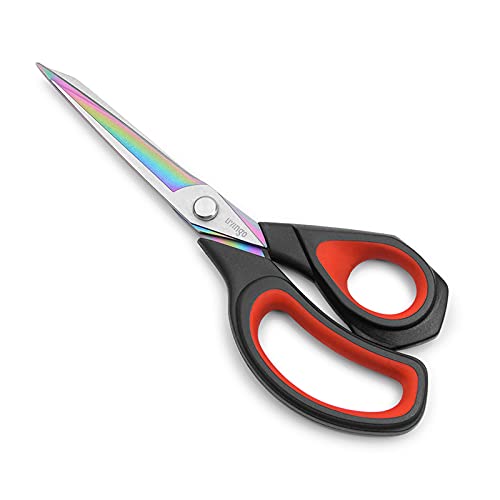
LDH has gained a cult following in the fiber arts community for a reason. Their Midnight Edition shears aren’t just aesthetically pleasing; they are balanced perfectly for repetitive cutting tasks.
The matte black finish is more than just a style choice—it offers a slightly better grip than high-gloss alternatives. If your hands are prone to sweating or if you’ve been working with lanolin-rich wool, this added traction is a small but welcome detail.
They cut consistently from the pivot point all the way to the very tip of the blade. This is crucial when you need to snip a single strand of yarn in a tight spot, such as when correcting a dropped stitch in a lace shawl.
Fiskars Amplify RazorEdge Fabric Shears

Fiskars is a household name, but the Amplify series is a massive step up from their standard office scissors. These feature a unique torsion bar that senses the thickness of the material and adjusts the blade tension automatically.
This is a game-changer for knitters who bounce between lace-weight mohair and chunky, unspun roving. You don’t have to worry about the blades separating when you move from a delicate thread to a thick, bulky yarn.
While they are excellent performers, the plastic-heavy handle design feels less "heirloom" than the all-metal options. They are the perfect functional choice if you want high-end performance without the high-end price tag.
Merchant & Mills Traditional Tailor Scissors
These scissors are for the knitter who appreciates the tactile, old-world feel of traditional tools. They are forged from carbon steel and have a weight and balance that feels like an extension of your hand.
Because they are made of carbon steel, they are incredibly sharp and hold an edge beautifully. However, they are prone to rust if left in a humid environment or stored near damp blocking mats.
You must keep these dry and lightly oiled to prevent oxidation. If you are diligent about tool care, these will likely be the last pair of scissors you ever buy.
Westcott Titanium Bonded Sewing Scissors
Westcott offers a fantastic entry point for the knitter who isn’t ready to invest in professional-grade tailoring shears. The titanium bonding makes the blades three times harder than stainless steel, which helps them stay sharp through years of yarn snipping.
They are lightweight and comfortable, making them a great choice for those who knit in various locations. If you carry a project bag to the park or a local knitting group, these are sturdy enough to handle the commute.
They are not as precise as the Gingher or Kai options, but they are significantly better than standard craft scissors. They are the reliable "workhorse" of the knitting world.
Essential Anatomy of a High-Quality Scissor
A high-quality scissor is defined by the quality of its steel and the precision of its pivot screw. The pivot screw controls the tension between the two blades; if it’s too loose, the yarn will fold between the blades rather than cutting.
Look for blades that have a slight "bow" or curve to them. This ensures that the blades only touch at the exact point where the cut is being made, which keeps them sharp for much longer.
The handle ergonomics are equally important. You want a handle that allows your fingers to exert force evenly, preventing the blades from twisting or "binding" mid-cut.
How to Maintain Your Scissors for Clean Cuts
The most important rule of scissor maintenance is simple: never use your fabric scissors on paper, cardboard, or wire. Paper contains abrasive fillers that will dull a precision-ground edge in a single afternoon.
Keep a dedicated pair of cheap scissors in your kit for cutting yarn tags or cardboard yarn bobbins. Your fabric scissors should only ever touch yarn or fabric.
Periodically wipe the blades with a soft cloth and a tiny drop of sewing machine oil. If you notice the blades feel "gritty" or stiff, a professional sharpening service is worth the investment to restore their factory edge.
Why Dedicated Fabric Scissors Matter for Yarn
Yarn is surprisingly taxing on blades because it is often made of soft, compressible fibers. If your scissors are dull, they will flatten the yarn and push the fibers aside rather than slicing through them cleanly.
This results in "fuzzy" ends that are harder to weave in and prone to unraveling. A sharp, dedicated pair of shears ensures a clean cross-section of the yarn, which makes the tail easier to thread through a tapestry needle.
Using dedicated scissors also protects your yarn from accidental damage. A pair of dull scissors can snag a single ply of a delicate yarn, causing a run or a break that you might not notice until you’ve already finished the row.
Testing Your Scissors: The Sharpness Test Tips
To test your scissors, take a single strand of fingering-weight wool and hold it taut. Attempt to cut the yarn using only the very tip of the blades without closing them fully.
If the scissors snip the yarn cleanly without the strand sliding toward the pivot, your blades are in excellent condition. If the yarn bends or "chews" between the blades, it’s time for a sharpening or a replacement.
Always perform this test on a scrap piece of yarn from your current project. Different fibers, such as cotton or superwash wool, have different densities and will react differently to the same blade.
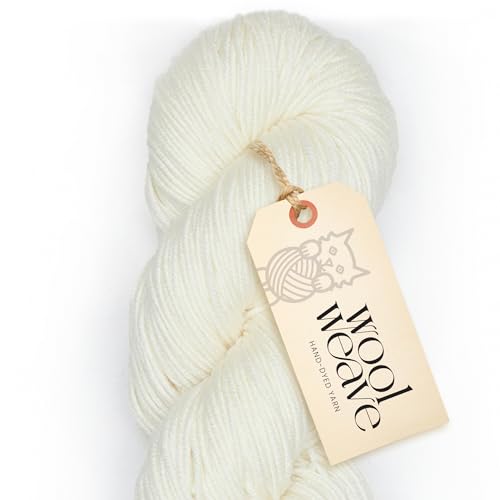
Choosing the right pair of scissors is a personal decision that balances your project volume, hand comfort, and budget. By dedicating a high-quality pair of shears to your fiber arts, you eliminate the frustration of frayed ends and uneven cuts. Treat these tools with the same respect you show your favorite knitting needles, and they will serve you faithfully for decades. Happy knitting, and may every snip be as clean as your tension.