7 Best Nitrile Gloves For Fiber Dyeing To Use
Protect your hands during fiber dyeing with our top seven nitrile glove picks. Discover durable, chemical-resistant options essential for safe, mess-free work.
Fiber dyeing is a transformative craft that turns raw, undyed hanks into custom colorways, but it requires a serious barrier between your skin and the concentrated pigments. Nitrile gloves are the industry standard for protecting your hands from staining and potential chemical irritants while you manipulate wet fiber. Choosing the right pair ensures you can focus on your color gradients rather than worrying about accidental dye transfer. Here are the top seven nitrile options to keep your hands protected during your next dyeing session.
AMMEX GlovePlus Black Nitrile: Best Overall Pick


When you are prepping a large batch of superwash wool for an immersion dye bath, you need a glove that won’t give up halfway through. The AMMEX GlovePlus is a reliable workhorse that balances thickness and comfort perfectly.
The textured surface provides just enough grip to handle slippery, wet yarn without it sliding through your fingers. Because they are black, they hide dye splatters well, which helps you stay focused on the color saturation rather than the mess on your hands.
Ultimately, these are the most versatile gloves for a standard studio setup. If you are doing a mix of kettle dyeing and hand-painting, these will carry you through the entire process without tearing.
Adenna Shadow Black Nitrile: Best for Dexterity

Dyeing intricate variegated yarns requires fine motor skills, especially when you are applying dye to specific sections of a skein. The Adenna Shadow gloves are exceptionally thin and supple, making them feel like a second skin.
You won’t feel that "clunky" resistance that often comes with thicker, industrial-grade gloves. This is vital when you are manipulating delicate lace-weight fibers or untwisting hanks that have become tangled in the dye pot.
If you struggle with gloves that make your hands feel stiff or clumsy, these are your best bet. They offer superior tactile feedback, allowing you to "feel" the fiber as you work the dye into the twist.
SAS Safety Raven Nitrile: Best Heavy-Duty Option

If you are working with harsh mordants or highly concentrated powdered dyes, you need a more robust barrier. The SAS Safety Raven gloves are thicker than your average box store nitrile, offering a higher level of puncture resistance.
When you are aggressively scrubbing dye into heavy-weight wool or handling sharp dye-pot equipment, these gloves provide peace of mind. They are less likely to snag on the rough edges of stainless steel pots or stirring utensils.
While you sacrifice a bit of tactile sensitivity, the added protection is worth it for long-term safety. These are the gloves you want when the dyeing process gets physically demanding.
Microflex MidKnight Nitrile: Best for Precision

Precision is everything when you are trying to replicate a specific colorway or avoid "bleeding" between colors in a hand-painted project. The Microflex MidKnight gloves are designed for comfort and extended wear, fitting snugly to prevent the "baggy finger" effect.
Baggy fingertips are a nuisance when you are trying to isolate specific sections of yarn. These gloves stay tight to your skin, ensuring that you don’t accidentally dip a loose fingertip into the wrong dye color.
They are an excellent middle-ground choice for knitters who want durability without the bulk. For precision-heavy tasks like painting stripes or speckling, these provide the control you need.
Kimberly-Clark Sterling Nitrile: Best Allergy-Safe
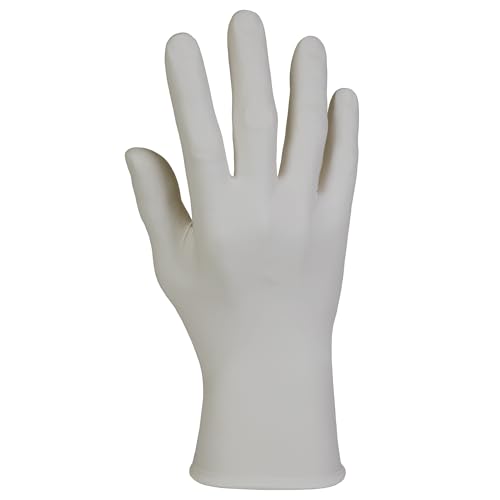
Many knitters have sensitivities to the accelerators used in standard nitrile manufacturing. The Kimberly-Clark Sterling gloves are specifically engineered to be powder-free and accelerator-free, minimizing the risk of contact dermatitis.
If you find that your skin gets dry, itchy, or cracked after a dyeing session, the glove material itself might be the culprit. These gloves are designed to be hypoallergenic, making them a safer choice for those with sensitive skin.
They don’t compromise on strength, either, so you aren’t trading protection for comfort. If you have a history of skin reactions to synthetic rubbers, this is the most professional choice for your studio.
Medline Sensitive Nitrile: Best for Long Sessions

Dyeing fiber is often a marathon, not a sprint, especially when you are processing multiple hanks for a sweater project. The Medline Sensitive gloves are designed for comfort during extended use, featuring a soft, flexible material that doesn’t cause hand fatigue.
The fit is ergonomic, meaning your hands won’t feel cramped after an hour of stirring or squeezing dye into yarn. This is essential for preventing the "sweaty palm" feeling that often leads to taking gloves off too early.
If you are planning a full-day dyeing marathon, comfort is your priority. These gloves will stay comfortable from the first soak to the final rinse.
Ansell TouchNTuff Nitrile: Best Chemical Defense
For those using professional-grade acid dyes or more aggressive chemical additives, the Ansell TouchNTuff is the gold standard. These gloves are known for their superior chemical resistance and durability against a wide range of substances.
They are designed for industrial applications, meaning they can handle the most potent dyes without degrading or thinning out. You can trust them to keep your skin completely isolated from the chemicals you are handling.
While they are slightly more expensive, the trade-off is unmatched protection. If you are experimenting with advanced dyeing techniques that involve stronger chemicals, don’t skimp on your hand protection.
Why Nitrile Beats Latex for Fiber Dyeing Tasks
Nitrile is the clear winner for fiber dyeing because it is significantly more resistant to punctures and chemical degradation than latex. Latex can break down when exposed to certain dyes or mordants, which can lead to microscopic leaks that stain your skin.
Furthermore, nitrile is entirely latex-free, which is a major consideration for anyone with a latex allergy. Many fiber artists don’t realize they have a sensitivity until they start working with rubber gloves for hours at a time.
Nitrile also provides a better, more consistent fit that doesn’t stretch out as quickly as latex. When you are handling wet, heavy yarn, you need a material that maintains its shape and security.
Proper Sizing for Better Control While Dyeing
Sizing is the most overlooked aspect of choosing gloves for dyeing. If your gloves are too large, the excess material at the fingertips will catch on your yarn, cause you to drop tools, and make it difficult to work with precision.
- Measure your palm: Use a flexible tape measure around the widest part of your hand.
- Check the fit: A glove should feel snug like a second skin, not tight enough to restrict circulation.
- Test your grip: If you can’t easily pick up a single strand of yarn, your gloves are likely too loose.
Always check the manufacturer’s sizing chart, as brands vary significantly. A well-fitted glove is the difference between a clean, controlled dye job and a messy, frustrating experience.
Essential Safety Tips for Handling Fiber Dyes
Always work in a well-ventilated area, especially when using powdered dyes, as the particles can easily become airborne. Wear a dust mask when measuring and mixing your dyes to avoid inhaling pigments that can irritate your lungs.
Keep a dedicated set of tools for dyeing that are never used for food preparation. Even if you wash them thoroughly, dye pigments can hide in the microscopic pores of wooden spoons or plastic bowls.
Finally, always keep your workspace organized and wipe up spills immediately. Dye stains are notoriously difficult to remove from surfaces, and a cluttered workspace is a recipe for accidental cross-contamination of your fiber.
Investing in the right pair of nitrile gloves is a small but critical step in elevating your fiber dyeing practice. By protecting your skin and ensuring better tactile control, you allow yourself the freedom to experiment with complex color techniques. Remember that the best glove is one that fits your hands well and provides the level of protection required for your specific project. Happy dyeing, and may your colors always turn out vibrant and beautiful.