7 Best Wood Polishing Waxes For Natural Finishes
Restore the beauty of your furniture with our top 7 picks for the best wood polishing waxes. Discover the perfect natural finish for your home by reading now.
Wooden knitting needles possess a soul that synthetic materials simply cannot replicate, yet they require dedicated maintenance to remain friction-free and smooth. Over time, the natural oils from hands and the constant abrasion of fibers can leave wooden needles feeling dull, snaggy, or lackluster. Polishing these tools with the right wax restores their integrity, protects the wood grain from moisture, and ensures stitches glide effortlessly across the surface. Choosing the correct treatment transforms a lackluster set of needles back into a precision instrument capable of handling complex lace or delicate silk yarns.
Howard Feed-N-Wax: The Crafter’s All-Purpose Pick
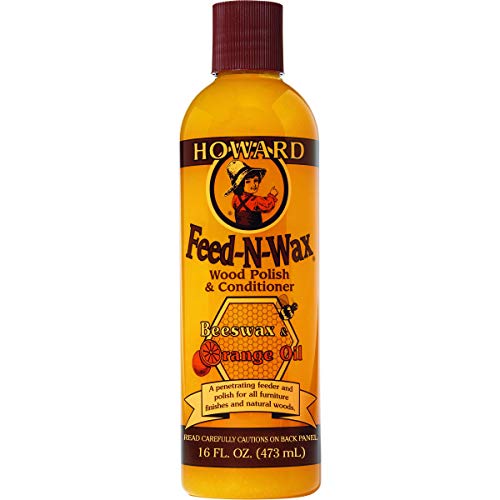

This product is a household staple for a reason, blending orange oil, carnauba wax, and beeswax into a thin, easily absorbed formula. It serves as an excellent entry point for those looking to condition deep, thirsty wood fibers without leaving a heavy, gummy residue behind.
Because of its liquid-like consistency, it penetrates deeply into the pores of rosewood or ebony needles. This deep conditioning prevents the wood from drying out and cracking, which is a common hazard in low-humidity environments.
The inclusion of orange oil provides a light, pleasant scent that dissipates quickly, leaving no odor to transfer to the yarn. It is the ideal choice for reviving older, neglected needles that have begun to feel porous or “thirsty.”
Fiddes & Sons Supreme Wax: For Heirloom Tool Care
Fiddes & Sons creates a professional-grade paste wax favored by furniture restorers, making it an exceptional choice for high-end artisan needles. It offers a slightly harder finish than liquid-based conditioners, which translates to a more durable, slick surface for the needle.
When working with fine-gauge needles—those 2.50mm or smaller—a harder wax provides the necessary structural stability to prevent snagging. It fills micro-scratches effectively, creating a glass-like surface that allows even sticky wool fibers to slide without constant manual adjustment.
Expect a longer curing time with this product compared to thinner waxes. Allow needles to sit for at least 24 hours after application, then buff them vigorously with a soft cotton cloth to achieve the high-gloss finish required for speed knitting.
Clapham’s Beeswax Finish: Best Food-Safe Option
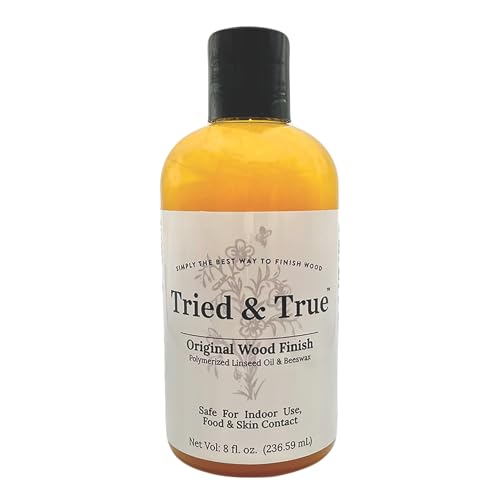
Clapham’s combines pure beeswax with food-grade mineral oil, creating a non-toxic solution that is entirely safe for handling. This is particularly important for knitters who suffer from skin sensitivities or those who prefer chemical-free products on items that contact their hands for hours.

The texture is remarkably smooth, allowing for a thin, even application that doesn’t overwhelm the natural tactile grip of the wood. It provides a subtle luster rather than a high-shine finish, which is perfect for knitters who find excessively slick needles difficult to control.
If the goal is to maintain the wood’s natural “bite”—the slight friction that keeps stitches from sliding off accidentally—this is the superior choice. It protects the needle without sacrificing the essential control needed for complex cable work or intricate colorwork patterns.
Town Talk Beeswax Paste: Improves Needle Glide

This product excels at creating a hard, protective barrier that drastically reduces surface friction. It is formulated to be buffed to a high sheen, effectively sealing the wood fibers so that yarn fibers glide across the surface with minimal resistance.
Knitters tackling high-speed projects, such as large-scale stockinette sweaters or blankets, will appreciate how this wax maintains a consistent, slippery surface. It significantly reduces the physical fatigue associated with pushing yarn over dull, aged needles.
Be mindful that a little goes a long way; applying too much will create a sticky surface that actually increases drag. Apply sparingly, wait for it to haze, and buff until the needle feels smooth and cool to the touch.
Walrus Oil Furniture Butter: Easiest to Apply

Walrus Oil Furniture Butter features a creamy consistency that makes application intuitive and mess-free. It is highly efficient for those who possess large collections of interchangeable needles and need a quick, reliable way to treat them all at once.
The formula is designed to be wiped on, allowed to sit for a few minutes, and then wiped off. It leaves a soft, nourished feel to the wood that makes the needles feel “warmed up” even before they touch the yarn.
This is an excellent option for those who are intimidated by the process of waxing and buffing. It delivers consistent, professional results without the need for intensive polishing, making regular maintenance much more likely to happen.
Caron & Doucet Vegan Wax: Best Plant-Based Choice
Not every knitter is comfortable using animal-derived beeswax, making this plant-based alternative a vital addition to the toolkit. It utilizes a blend of plant waxes and oils that perform identically to traditional beeswax-based products, providing excellent moisture resistance.
It is particularly effective at sealing the grain of lighter woods like birch or bamboo, which can sometimes be prone to splintering after repeated use. The plant-based oils penetrate the surface, increasing the flexibility and lifespan of the needles.
This wax is scent-neutral, which is a major advantage for those sensitive to essential oils or perfumes. It provides a clean, professional finish that keeps needles smooth and protected without any trace of animal products.
Briwax Natural Creamed Wax: For Unfinished Wood
Briwax is renowned for its ability to transform raw, unfinished surfaces into polished, protected items. If a set of wooden needles arrives feeling “raw” or extremely dry, this product provides the necessary oils to seal the pores immediately.
Because it is a thicker cream, it is exceptionally good at filling in small pits or imperfections in the wood surface. This improves the structural integrity of the needle, preventing the tip from catching on delicate fibers like mohair or lace-weight silk.
Always select the “Natural” or “Clear” variety to avoid altering the color of the wood. While powerful, it requires diligent buffing to ensure that no excess wax remains on the surface, as any leftover residue will transfer to the yarn and create unwanted buildup.
Choosing a Wax: Paste, Liquid, or Butter?
The choice between wax forms depends entirely on the condition of the needles and the desired final feel. Paste waxes generally provide the hardest, most durable, and slickest finish, making them ideal for high-speed knitting and needle longevity.
Liquids and butter-style waxes are better for routine maintenance, as they focus on deep hydration rather than creating a heavy surface layer. Use the following guide to help decide:
- For dull, brittle, or older needles: Use a liquid or cream to rehydrate the wood fibers.
- For sticky, high-friction needles: Use a hard paste wax and buff thoroughly for a glass-like finish.
- For sensitive skin or environmental concerns: Stick to food-grade, plant-based, or pure beeswax formulations.
How to Properly Wax Your Wooden Knitting Needles
Clean the needles thoroughly with a damp, lint-free cloth to remove any dust or residue before starting. Apply a very small amount of wax—roughly the size of a pea for a pair of needles—using a soft cloth or a clean microfiber applicator.
Work the wax in using circular, overlapping motions, ensuring that the entire surface of the needle is covered evenly. Allow the wax to sit for the manufacturer-recommended time, which usually ranges from 15 to 30 minutes, to allow the oils to absorb into the wood.
Finally, take a clean, dry, soft cotton cloth and buff the needles vigorously. This step is non-negotiable; friction during buffing is what creates the polished, smooth finish that allows yarn to slide.
Is Your Wood Finish Food-Safe for Your Yarn?
While the term “food-safe” is often used in wood finishing, it is important to contextualize this for knitting. Knitting needles rarely come into contact with food, but the skin-to-needle contact is constant, meaning the finish must be safe for human touch.
Many traditional furniture waxes contain chemical driers or solvents that can cause skin irritation or be transferred to delicate fibers. Always check labels for harsh additives if there is any history of contact dermatitis or environmental sensitivities.
When in doubt, stick to products labeled for cutting boards or kitchen implements, as these adhere to the strictest safety standards. Protecting the needles should never come at the cost of personal health or the integrity of the project.
Proper maintenance of wooden needles is not merely a task of aesthetics but a critical aspect of tool longevity. A well-waxed needle reduces physical effort, protects delicate yarns from damage, and ensures that the focus remains entirely on the craft itself.