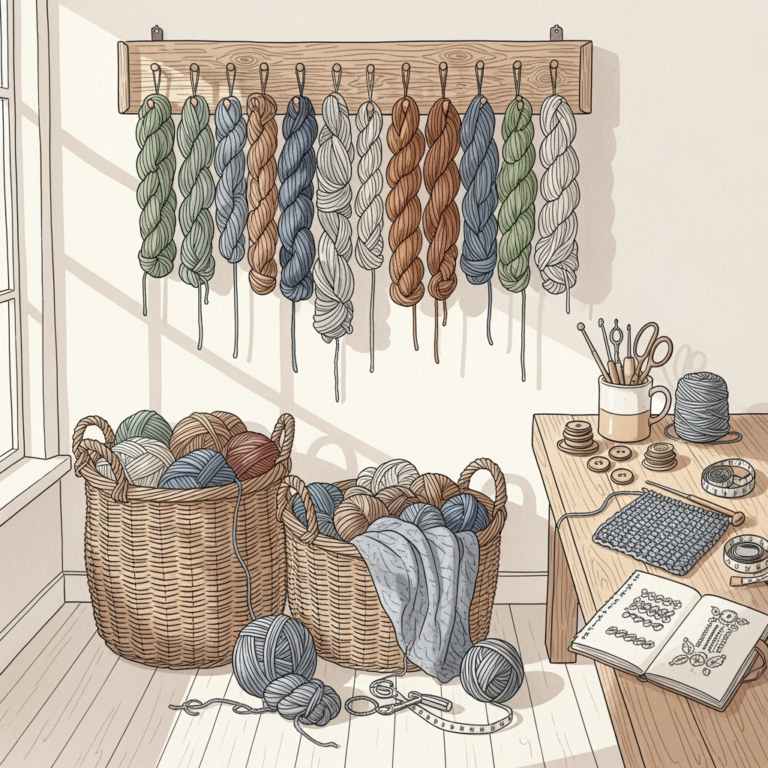
6 Best Moisture Absorbers for Yarn Closets to Use
Keep your yarn stash pristine. We review the six best moisture absorbers to prevent mold and mildew, ensuring your fibers stay dry, fresh, and damage-free.
Every knitter knows the heartbreak of discovering a beloved skein of hand-dyed wool ruined by hidden moisture or pests. Your yarn stash represents a significant investment of time, money, and creative potential that deserves a climate-controlled sanctuary. By managing the humidity levels in your storage space, you ensure your natural fibers remain strong, vibrant, and ready for your next cast-on. These moisture control solutions are the first line of defense in protecting your collection for years to come.
DampRid Hanging Moisture Absorber: Best Overall


When you have a reach-in closet dedicated to your yarn stash, you need a solution that works passively without taking up precious shelf space. The DampRid hanging bags are a staple for a reason; they utilize calcium chloride crystals to pull excess moisture directly from the air.
These are particularly effective for closets where air circulation might be poor. Because they hang, they don’t interfere with your carefully organized bins or yarn towers, allowing you to maximize every inch of vertical storage.
The primary trade-off is that they are a consumable product that eventually fills with liquid and requires replacement. However, for the peace of mind they provide, they remain the gold standard for most home yarn stashes.
Eva-Dry E-333 Renewable Mini Dehumidifier Choice

If you prefer a long-term investment over disposable bags, the Eva-Dry E-333 is a clever piece of technology. It uses silica gel beads that change color when saturated, signaling that it’s time to "recharge" the unit by plugging it into an outlet.
This is an excellent choice for smaller storage areas, such as an antique armoire or a dedicated yarn cabinet. It eliminates the need to constantly buy replacements, which is a significant benefit if you live in a chronically humid climate.
Keep in mind that this unit is designed for smaller, enclosed spaces. If your stash has grown to fill an entire walk-in closet, a single E-333 may not be enough to handle the volume of moisture in the air.
Arm & Hammer Moisture Absorber and Odor Eliminator
Yarn is notorious for absorbing ambient smells, from cooking odors to musty basement air. This product combines standard moisture-wicking crystals with the proven odor-neutralizing power of baking soda.
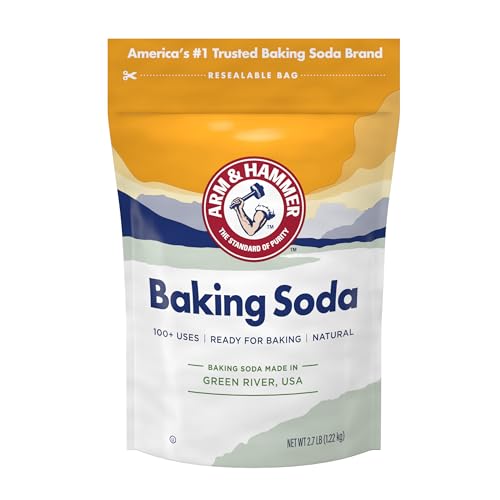
This is a fantastic option if your yarn stash is kept in a multi-purpose room or near a laundry area. It prevents that dreaded "old attic" smell from settling into your high-end merino or alpaca fibers.
Just ensure you place these containers on a flat, stable surface where they won’t be easily tipped over. While they are highly effective, the liquid collected at the bottom can be messy if the container is spilled.
Vacplus Moisture Absorber Packets for Yarn Bins

Sometimes, the best way to protect your yarn is to treat the storage container itself rather than the room. These small, individual packets are perfect for tucking into plastic bins or vacuum-seal bags alongside your precious hand-dyed yarns.
They are incredibly convenient for organizing your stash by project or fiber type. If you have a bin specifically for lace-weight mohair, tossing a packet inside keeps the environment stable and dry without affecting the delicate fibers.
Because they are small, they won’t last as long as a large hanging unit. I recommend checking them every time you rotate your stash to ensure they are still active and working effectively.
Ansio 500ml Moisture Absorber Hanging Dehumidifier

Ansio offers a reliable alternative for those who need a slightly higher capacity for their hanging moisture solutions. These units are robust and designed to hang securely from closet rods, keeping them safely away from your yarn stacks.
They are particularly useful in older homes where seasonal dampness is a recurring issue. The 500ml capacity means you won’t have to check them as frequently as smaller, thinner bags.
Always verify that your closet rod can support the weight of these units once they begin to fill with water. It is also a good practice to hang them away from direct contact with your yarn to avoid any potential condensation issues.
Pro Breeze Electric Dehumidifier for Large Stash
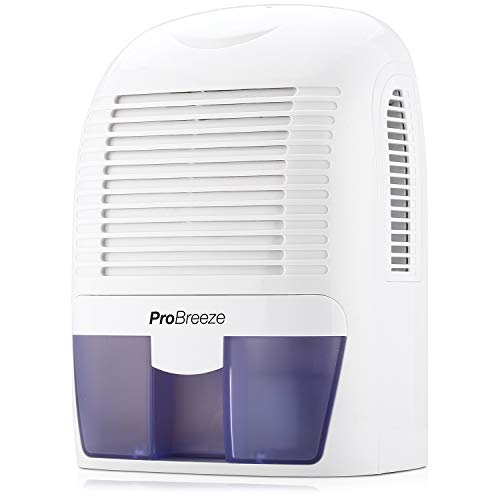
For the serious collector with a massive stash, passive absorbers might simply not be enough. An electric dehumidifier provides active, continuous control over the humidity levels in your dedicated knitting room.
This is the most effective way to maintain a consistent environment, which is vital for the longevity of natural fibers. It allows you to set a target humidity level, ensuring your fibers stay supple and resistant to mold.
The downside is the noise and the electricity usage, which are higher than passive options. However, for a high-value stash of luxury fibers like cashmere or silk, the investment is well worth the protection.
Why Moisture Control Is Vital for Natural Fibers
Natural fibers like wool, alpaca, and cotton are hygroscopic, meaning they naturally absorb and release moisture from the environment. While a little humidity can keep fibers from becoming brittle, excess moisture is a recipe for disaster.
High humidity levels create the perfect breeding ground for mold and mildew. Once these take hold in your stash, they can permanently discolor the yarn and create a musty odor that is nearly impossible to fully remove.
Consistent moisture control prevents the fibers from swelling and contracting repeatedly. This stability keeps your yarn structurally sound, ensuring that when you finally cast on, the yarn behaves exactly as expected.
How to Prevent Moth Infestations in Yarn Closets
Moisture and darkness are the two things moths love most about your yarn closet. By keeping the air dry, you make the environment significantly less hospitable to these destructive pests.
In addition to moisture absorbers, always store your wool yarns in airtight containers. If you bring a new skein into your home, consider a brief quarantine period or a few days in the freezer to ensure no stowaways are hitching a ride.
Avoid storing your yarn in cardboard boxes, as these can attract pests and hold onto moisture. Instead, opt for clear, hard plastic bins that allow you to inspect your stash without opening them to the elements.
Signs of Dampness and Mold in Your Yarn Stash
Your senses are your best tools for detecting early signs of trouble. A faint, earthy smell when you open your closet door is often the first indicator that moisture levels are too high.
Visually inspect your stash for any signs of discoloration or white, powdery patches on the yarn. If you notice the yarn feels "heavy" or slightly damp to the touch, it has already absorbed too much atmospheric water.
Don’t ignore these signs, as they rarely resolve on their own. If you find a damp area, immediately isolate the affected yarn, air it out in a dry, well-ventilated space, and evaluate your storage environment.
Best Practices for Long-Term Yarn Storage Safety
The goal is to create a "set it and forget it" environment, but your stash still needs periodic attention. Aim to reorganize or at least "fluff" your yarn every few months to ensure no localized damp spots have developed.
Store your yarn away from direct sunlight, which can fade colors and weaken fibers over time. Keep your bins off the floor, as moisture often migrates from the foundation up through the floorboards.
Finally, keep a simple hygrometer in your closet to monitor humidity levels in real-time. Aim for a relative humidity between 40% and 50% to keep your natural fibers happy, healthy, and ready for your next masterpiece.
Protecting your yarn stash is an essential part of being a responsible fiber artist. By choosing the right moisture control methods and staying vigilant, you ensure your investment remains in pristine condition for years. Remember that a little bit of prevention goes a long way toward avoiding the heartache of damaged fibers. May your stash remain dry, safe, and ever-ready for that next beautiful project.