6 Best Wooden Doll Stands For Display Worth Using
Showcase your collection beautifully with these 6 best wooden doll stands for display. Read our expert guide to find the perfect support for your dolls today.
Displaying a hand-knitted or crocheted doll requires more than just shelf space; it demands a structure that respects the integrity of the fibers. Whether the creation is a delicate lace-dressed heirloom or a sturdy amigurumi, the right stand prevents sagging and keeps the piece in its intended pose. Wood remains the preferred medium for these displays, offering a natural aesthetic that complements organic yarns like wool, cotton, and alpaca. Selecting the proper base ensures that hours of careful stitching remain perfectly showcased for years to come.
Darice Unfinished Wood Doll Stand: Best for DIY


The Darice stand serves as a blank canvas for those who prefer their display tools to match the aesthetic of the doll itself. Because the wood arrives raw and untreated, it can be customized with stains, waxes, or paints to harmonize with the specific yarn color palette of a finished project.
Customization is particularly useful when working with delicate fibers like silk or mohair, where a harsh, unsealed finish might snag a loose thread. Sanding the wood to a smooth, splinter-free finish provides an extra layer of protection for fragile stitches.
For a cohesive look, match the wood finish to the doll’s theme, such as a dark walnut stain for a Victorian-style knitted doll or a light, natural beeswax for a rustic, wool-based figure. The bottom line: if the vision involves a completely bespoke display, this unfinished option provides the necessary flexibility.
Kaiser Saddle Style Doll Stand: Pro’s Choice
Kaiser stands are industry icons for a reason, utilizing a saddle-style mechanism that supports the doll securely beneath the arms. This design is excellent for heavier knitted dolls, as it distributes weight evenly across the torso rather than compressing the stuffing at the waist.
The saddle contact points are typically smooth, which is critical for protecting the yarn surface. When dealing with fiber arts, avoiding friction is the primary goal; a properly sized saddle ensures the doll remains upright without creating unwanted indentations in the knitting.
Consistency is the hallmark of this brand, providing a reliable structure that performs identically across various doll sizes. Invest in this option when the doll represents a significant time investment and needs a professional, dependable display solution.
Weston Woodcrafts Oak Stand: Best Heirloom Quality
Weston Woodcrafts focuses on the structural integrity of hardwoods, making them the premier choice for heavy or large-scale knitted dolls. The weight of an oak base provides a low center of gravity, preventing top-heavy dolls from tipping over during accidental shelf bumps.
Hardwoods are inherently denser than the softwoods found in budget stands, meaning they are less likely to warp or split over time. This durability is essential for heirlooms that will be handed down through generations, as the base will likely outlast the fabric of the doll itself.
The finish on these stands is usually superior, minimizing the risk of oils leaching into the yarn. When working with natural, undyed wools, using a high-quality hardwood stand prevents the risk of chemical discoloration common with cheap, lacquered alternatives.
The Display Dame Adjustable Stand: Most Versatile
Versatility is the main advantage of this stand, as it features an adjustable height mechanism that accommodates dolls of varying proportions. If the doll collection changes frequently or includes a mix of small finger-puppets and larger, sweater-clad figures, one adjustable stand replaces several static ones.
The locking mechanism must be checked for grip strength, as heavy dolls may cause the stand to slide downward over time. Always ensure the tension screw is tightened sufficiently to hold the weight of the garment without damaging the internal structure of the doll.
Think of this as the “swatch” of doll stands; it is the tool you keep on hand for testing different display heights and angles. It is an ideal choice for the knitter who constantly updates their studio display with new, uniquely sized projects.
Littlewood Stacker Base Stand: Best for Small Dolls
Small dolls, such as those knitted for nursery decor or detailed miniature displays, require a low-profile stand that does not overwhelm the piece. The Littlewood stacker base is designed with a narrow footprint, allowing for tight arrangement in display cabinets or on narrow mantlepieces.
Stability remains a priority even at smaller scales. By using a stacker design, these stands allow for slight adjustments to the height without needing a complex tensioning system that could be too bulky for delicate, tiny figures.
Keep in mind that these are intended for lightweight projects; avoid using them for large, heavily weighted dolls. If the project is a small amigurumi doll made with fingering weight yarn, this minimalist approach is the most professional-looking choice.
Hobby Lobby Wood Stand Set: Best Budget Pick
The Hobby Lobby wood stand sets provide an accessible entry point for those just starting to display their fiber art. These stands are straightforward and functional, designed to hold standard-sized dolls without unnecessary bells or whistles.
While the craftsmanship may lack the luxury of hardwoods, they perform the basic task of keeping a doll upright effectively. For the knitter who has just completed their first major project, these stands offer a cost-effective way to get the doll out of the project bag and onto the shelf.
Inspect each stand for rough edges before mounting the doll, as mass-produced wood can occasionally harbor small splinters. A quick pass with fine-grit sandpaper is often all that is needed to ensure a safe, snag-free environment for the yarn.
How to Choose the Right Stand for Your Doll’s Size
Selecting the correct size begins with measuring the distance from the floor to the doll’s waist or underarms. A stand that is too tall will stretch the clothing, distorting the drape of the knitting, while one that is too short will cause the doll to slump forward.
Consider the weight of the yarn, as heavier, denser fabrics like worsted-weight wool will cause more sag than lighter, lacquered cotton. Choose a stand with a base diameter at least half the width of the doll to ensure sufficient counterbalance against the weight of the garment.
Always test the stand’s clearance before finalizing the display. If the doll wears a skirt or gown, ensure the saddle or waist clamp is hidden beneath the layers to maintain the visual illusion of the doll standing on its own.
Finishing a Raw Wood Stand: Stains and Paints
Raw wood stands are best finished with non-toxic, water-based stains or paints to ensure they are safe for contact with natural fibers. Avoid heavy lacquers that might remain tacky, as these can trap dust and eventually transfer it to the knitting.
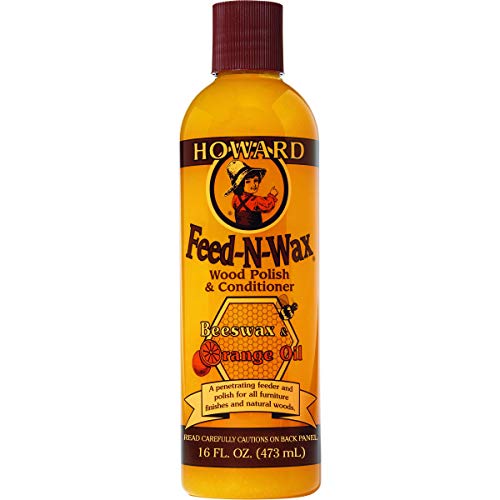
A light application of clear beeswax or food-grade mineral oil is often the best choice for fiber artists. These finishes seal the wood and prevent moisture absorption without leaving a chemical residue that could affect the long-term stability of the yarn.
If choosing to paint the stand, opt for a matte finish to reduce glare under display lights. This ensures the viewer’s eye remains focused on the textures of the knitting rather than the reflection of the display base itself.
Securing Your Handmade Doll to the Stand Safely
Securing a doll to a stand is a delicate process that should never involve adhesives or pins that pierce the fabric. Instead, position the saddle or waist clamp beneath the garments, hidden away from view to maintain the aesthetic appeal of the fiber art.
If the doll is particularly top-heavy, consider sewing a small, hidden loop of matching thread inside the waistline to act as a secure anchor for the stand’s hook. This prevents the doll from rotating or slipping during accidental nudges.
Check the tension of the stand periodically, especially if the environment experiences seasonal changes in humidity. Natural fibers like wool are hygroscopic and may expand or contract with the air, which can influence how firmly the doll sits within the stand’s grasp.
Wood vs. Metal Stands: Which Should You Choose?
Wood stands are generally preferred for knitters because they offer a softer, more organic interaction with the fabric. Metal stands can be cold and industrial, and they often feature sharp edges that are notorious for snagging fine lace or delicate wool fibers.
However, metal stands often provide superior strength and thinner profiles, which are helpful for dolls with very tight, intricate garments where a thick wood clamp would be too bulky. If the doll is a heavy, mixed-media piece, a sturdy metal frame might be the more practical choice for long-term safety.
The decision ultimately rests on the fiber type and the desired aesthetic. For soft, hand-spun yarns and delicate textures, prioritize the smoothness of wood to prevent structural damage to the garment over time.
Selecting the right doll stand is the final step in honoring the hours of technical skill and creative effort put into every stitch. By choosing a base that provides proper support while respecting the delicate nature of the fibers, you ensure your work remains a pristine representation of your craft. Whether opting for the durability of oak or the versatility of an adjustable frame, the goal remains the same: a stable, safe, and beautiful display.