7 Best Needle Cleaner Cloths For Smooth Stitches
Keep your sewing machine running perfectly with our guide to the 7 best needle cleaner cloths, ensuring smooth, snag-free stitches for every fabric project.
We often obsess over the perfect yarn and the right needle size, but we frequently ignore the surface condition of our tools until a stitch starts to snag. Over time, skin oils, dust, and microscopic fiber residue build up on your needles, creating drag that ruins your rhythm. Keeping your needles clean is the secret to maintaining consistent tension and preventing hand fatigue during long sessions. This guide explores the best tools to restore that effortless glide to your favorite needles.
The Knitter’s Pride Needle Cleaning Microfiber Cloth
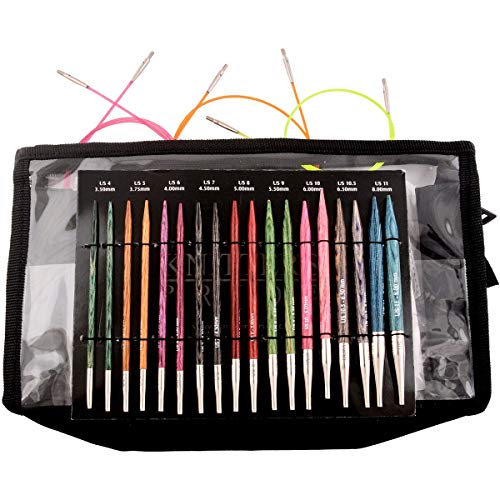

This microfiber cloth is a staple for those who work primarily with metal needles. Its tight weave is specifically designed to lift away the dulling film that accumulates after hours of knitting with mohair or fuzzy wools.
If you find that your stitches are suddenly "sticking" on your stainless steel needles, this cloth is your first line of defense. It is non-abrasive, meaning it won’t scratch the finish of your needles, which is critical for maintaining that high-speed glide.
The trade-off here is that it works best on smooth surfaces rather than wood. If you use it on porous materials, it might not remove deep-seated oils as effectively as a specialized polisher.
Cocoknits Bamboo Fiber Needle Polishing Cloth Set
Cocoknits has a knack for understanding the tactile needs of a knitter. These bamboo-based cloths are incredibly soft and offer a gentle, eco-friendly way to maintain your collection.
Because they are made from bamboo fiber, they are naturally antimicrobial and highly absorbent. They excel at picking up the fine dust that settles on your needles during long-term storage in your knitting bag.
While they are excellent for a quick refresh, they aren’t heavy-duty cleaners. Think of these as a daily maintenance tool rather than a solution for heavily tarnished or sticky needles.
ChiaoGoo Stainless Steel Needle Care Wipe Solution
ChiaoGoo needles are known for their precision, and this wipe solution is formulated to preserve that signature slickness. It is particularly effective for those who notice their needles becoming "tacky" due to high humidity or sweat.
The solution is mild enough that it won’t strip the protective coating off your needles. It effectively breaks down the protein-based oils left behind by your fingertips.
Be careful not to over-saturate your needles, as a little goes a long way. If you use too much, you might leave a residue that makes your yarn feel slippery in an unnatural way.
HiyaHiya Professional Needle Surface Buffer Cloth

The HiyaHiya buffer cloth is designed for the knitter who demands a mirror-like finish on their needle tips. It is slightly denser than a standard microfiber, providing a bit more "bite" to remove stubborn debris.
This is my go-to choice when I’ve been working with sticky, plant-based fibers like cotton or linen. These fibers often leave a waxy residue that can make even the fastest metal needles feel sluggish.
Because of the texture, use it with a light touch. You want to buff the surface, not scrub it, to ensure you don’t inadvertently create micro-scratches that could snag delicate lace yarn.
Addi Needle Maintenance and Polishing Microfiber
Addi needles are legendary for their plating, and this dedicated cloth is engineered to protect that specific finish. It is ideal for the knitter who owns a set of Addi Turbo or Rocket needles and wants to keep them performing like new.

The cloth is designed to be used dry, which is a major convenience for a quick mid-project clean. It lifts oils without needing any chemical additives that might react poorly with your yarn.
The bottom line is that if you have invested in premium plated needles, you should use a cloth designed for that specific surface. It prevents the premature wearing of the plating that can happen with generic, abrasive cleaning cloths.
Lykke Driftwood Care Cloth for Smooth Surfaces
Lykke needles are beautiful, but their driftwood finish requires a different approach than metal. This care cloth is designed to nourish the wood while removing surface grime, keeping the needles from becoming dry or splintered.
If your wooden needles start to feel "grabby," it is often because the wood has dried out or collected too much fiber dust. This cloth helps restore the natural sheen of the wood, allowing the yarn to slide over the tips without resistance.
Never use harsh chemical cleaners on wooden needles, as they can soak into the grain and weaken the material. This cloth provides the perfect balance of cleaning and gentle conditioning.
Clover Needle Cleaning and Maintenance Tool Kit

Clover’s kit is the "all-in-one" solution for the knitter who likes to keep their entire toolkit organized. It includes specialized cloths and a small buffer that can reach into the tighter spots of your needle tips.
This is an excellent choice for beginners who aren’t sure what they need yet. It covers a wide range of needle materials, from plastic and bamboo to aluminum.
The kit approach is practical, but remember that different materials require different levels of care. Don’t use the same cloth for your dirty, dusty needles as you do for your pristine, polished ones, or you’ll just be redistributing the grime.
Why Clean Needles Improve Your Knitting Tension
Your knitting tension is dictated by the friction between the yarn and the needle. If your needles are coated in skin oils or dust, that friction increases, forcing you to pull harder on the yarn to move stitches along.
This extra effort leads to "death grip" knitting, where you hold your needles too tightly, causing hand cramps and inconsistent stitch size. A clean needle allows the yarn to move freely, letting your hands relax into a natural, rhythmic motion.
If you find yourself constantly adjusting your tension, check your needles first. A quick wipe-down can often solve the problem before you resort to changing your needle size or yarn weight.
How to Remove Yarn Residue and Oils From Needles
To properly clean your needles, start by wiping them down with a dry, soft microfiber cloth to remove loose dust. If the needles still feel sticky, use a cloth slightly dampened with a tiny drop of mild dish soap and water.
- For Metal: A quick wipe with a damp cloth followed by a thorough drying is usually sufficient.
- For Wood/Bamboo: Use only a dry cloth or a specialized wood-conditioning cloth; moisture can cause the wood to swell or warp.
- For Plastic: These are prone to static; a quick wipe with an anti-static cloth can keep them from attracting dust in the first place.
Always ensure the needles are completely dry before you start your next project. Even a trace amount of moisture can affect the way yarn travels across the needle, especially with natural fibers like wool or alpaca.
Best Practices for Long-Term Needle Tool Care
Treat your needles like the precision instruments they are. Store them in a case that prevents them from rubbing against each other, as friction between needles can wear down finishes and cause small nicks.
Avoid storing your needles in direct sunlight or extreme temperature fluctuations. Both metal and wood can react to these environments, potentially leading to warping or degradation of the needle’s surface.
Finally, make a habit of wiping your needles down every time you finish a project. It takes seconds, but it ensures that your needles are ready to go the moment you cast on your next masterpiece.
Investing in your tools is just as important as choosing the right fiber for your project. A clean needle is a smooth needle, and a smooth needle is the key to faster, more enjoyable knitting. By incorporating these simple maintenance habits, you will extend the life of your collection and improve the quality of your stitches. Happy knitting, and may your needles always be as smooth as silk.