7 Best Yarn Feeders For Stranded Colorwork To Try
Master stranded colorwork with our top 7 yarn feeders. Discover tools that improve tension, prevent tangles, and make multi-color knitting much easier.
Stranded colorwork is a beautiful technique, but managing two strands of yarn simultaneously can quickly lead to tangled fingers and uneven tension. Using a yarn guide can transform your knitting experience, keeping your colors separate and your stitches consistent throughout the project. Whether you are a novice or a seasoned pro, the right tool can make the difference between a frustrating struggle and a rhythmic, meditative flow. Here are the top seven yarn feeders that can help you master your next colorwork masterpiece.
Clover Knitting Thimble: Best for Beginners
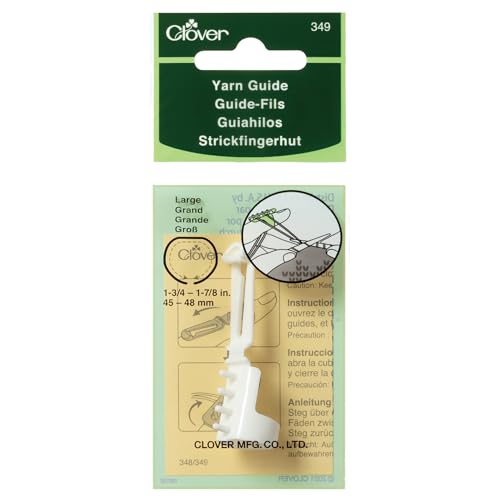

The Clover Knitting Thimble is a classic for a reason, utilizing a simple plastic design that keeps two strands of yarn separated by individual loops. It is the perfect entry point for those intimidated by the prospect of holding multiple strands in one hand.
Because it sits securely on your finger, it removes the need to manually manage the yarn’s path over your skin. This allows a beginner to focus entirely on their needle movement and stitch formation without the yarn sliding around.
However, keep in mind that the plastic can feel slightly bulky if you aren’t used to wearing accessories while knitting. If you are working with very fine, non-superwash wool, be careful, as the plastic loops can occasionally snag on delicate fibers.
Prym Ergonomic Yarn Guide: Best for Comfort
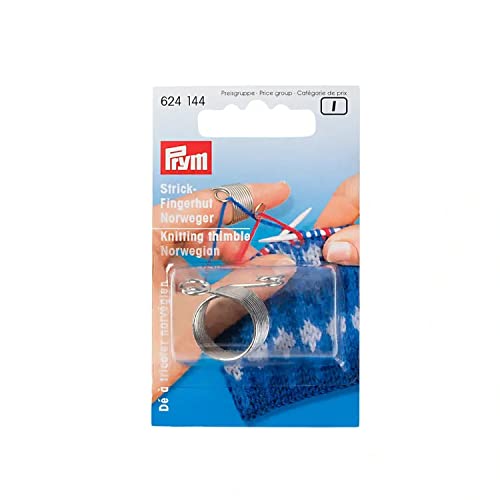
The Prym Ergonomic guide is designed with the human hand in mind, featuring a soft, flexible material that contours to your finger. It is a fantastic choice if you suffer from hand fatigue during long sessions of stranded colorwork.
The guide uses a clever tensioning system that keeps your yarn from slipping while remaining gentle on your skin. Its ergonomic shape ensures that you aren’t constantly adjusting the tool, allowing for a more fluid, uninterrupted knitting rhythm.
Be aware that because it is made of a softer material, it may stretch slightly over time or feel less secure for knitters with very thin fingers. It is best suited for those who prioritize comfort over a rigid, long-term hold.
Cocoknits Yarn Guide: Best for Versatility

The Cocoknits guide is a standout for knitters who appreciate a minimalist approach to tool design. It acts more like a ring, which can be adjusted to fit various finger sizes, making it incredibly versatile for different projects.
This guide is particularly useful if you alternate between colorwork and standard knitting in the same project. You can easily slide it to the base of your finger when you don’t need it, rather than having to remove it entirely.
Since it is made of metal, it provides a very slick surface for yarn to glide over. This is excellent for sticky fibers like mohair or high-twist wool, but you may find it too slippery if you are using smooth, synthetic yarns.
Tulip Knitting Needle Thimble: Best Precision
Tulip is renowned for its high-quality manufacturing, and their knitting thimble is no exception. It offers a precise, structured way to hold your yarns, which is vital when you are working on intricate motifs where tension differences are highly visible.
The metal construction allows for a very consistent path for the yarn, ensuring that your floats—the strands of yarn carried across the back of your work—stay uniform. This is essential for preventing puckering in your finished fabric.
Because it is a more rigid tool, it requires a bit of patience to get used to the specific angle it forces your yarn to take. Once you master the positioning, your colorwork gauge will likely become significantly more professional and even.
Namaste Yarn Guide Ring: Best for Portability

The Namaste ring is designed for the knitter on the go, offering a sleek, low-profile design that won’t get caught on your project bag or clothing. It is essentially a piece of jewelry that functions as a high-performance tool.
Because of its compact size, it is less distracting than larger plastic thimbles. It is a great choice if you find that bulky guides interfere with your natural hand tension or cause you to knit too tightly.
However, the smaller size means it may not accommodate thicker, worsted-weight yarns as easily as larger guides. It is best suited for fingering or sport-weight projects where you need to keep your tension light and consistent.
Chiaogoo Yarn Guide Ring: Best for Tension
Chiaogoo is a brand that understands the importance of tension, and their guide ring is engineered to keep your yarn exactly where you want it. It features a unique design that allows you to loop the yarn in a way that creates natural, consistent drag.
If you struggle with "loose floats" in your colorwork, this tool is a game changer. By providing a slight bit of resistance, it forces the yarn to stay taut, ensuring your colorwork pattern looks crisp and well-defined.
The trade-off here is that it can be unforgiving if you are already a tight knitter. If you find your gauge is usually too firm, you might want to pair this tool with a needle size one step larger than the pattern suggests.
Knitting Thimble by Boye: Best Budget Option

The Boye thimble is a reliable, no-frills option that gets the job done without breaking the bank. It is the quintessential "everyman" tool, providing a basic structure for keeping two colors separated during stranded work.
It is an excellent choice for knitters who want to test the waters of colorwork without investing in high-end accessories. You will find it in almost any local craft store, making it the most accessible option on this list.
While it lacks the ergonomic bells and whistles of more expensive models, its simplicity is its greatest strength. It is lightweight, easy to use, and does exactly what it promises: keeps your yarn organized.
How to Master Tension in Stranded Colorwork
Tension is the secret language of colorwork, and it is usually the biggest hurdle for new practitioners. The goal is to keep your floats long enough to allow for stretch, but short enough to avoid snagging your fingers when you put the garment on.
A common mistake is knitting too tightly with one color and too loosely with the other. A yarn guide helps normalize this, but you must also remember to "spread out" your stitches on the right-hand needle after every few repeats to ensure the floats aren’t pulling the fabric inward.
If your fabric is puckered, your floats are too short; if it is uneven or saggy, your floats are too long. Practice with a simple swatch until you find the rhythmic balance where both colors move at the same speed through your fingers.
Choosing the Right Guide for Your Hand Size
Not all hands are built the same, and a guide that feels secure on one person might be cumbersome on another. When selecting a guide, look for adjustability—metal rings that can be squeezed or expanded are almost always superior to fixed-size plastic loops.
If you have smaller hands, avoid bulky, multi-strand plastic thimbles that force your fingers into an unnatural spread. You want a tool that sits close to the knuckle so your hand can maintain its natural, relaxed posture while knitting.
Conversely, if you have larger fingers, ensure the guide has a wide enough band to avoid cutting off circulation. A guide should be a silent partner in your knitting, not a source of physical discomfort.
Troubleshooting Common Yarn Tangle Problems
Even with a guide, tangles can happen if you aren’t careful about how you manage your yarn balls. Always keep your two colors in separate bowls or bags to prevent them from twisting around each other at the source.
If you find that your yarn is still twisting, try switching the position of your yarn balls periodically. Sometimes, simply rotating your yarn placement can untwist the strands and save you from a mid-project knot-fest.
Finally, don’t be afraid to stop and manually untwist your yarn every few rows. It is a small price to pay for the beautiful, intricate patterns that only stranded colorwork can provide.
Mastering stranded colorwork is a journey that rewards patience and the right choice of tools. By experimenting with these yarn guides, you will find the perfect balance of tension and comfort that suits your unique knitting style. Remember that even the best tool is only as good as the practice you put into it, so keep your needles moving and your colors bright. Happy knitting, and may your floats always be perfectly even.