6 Best Wool Combs For De-Pilling Finished Pieces
Revive your knitwear with our top six wool combs. Learn how these essential tools remove pills and restore a smooth, professional finish to your garments.
There is nothing more heartbreaking than pulling your favorite hand-knit sweater out of the closet only to find it covered in unsightly fuzz and pills. While pilling is an inevitable part of the life cycle of wool, it doesn’t have to be the end of a garment’s aesthetic appeal. With the right tools and a gentle touch, you can restore your knits to their original, pristine glory. This guide breaks down the best de-pilling tools to help you maintain your hard work for years to come.
The Gleener Ultimate Fuzz Remover: Best Overall


The Gleener is a versatile powerhouse that stands out because it offers three different edges for different fabric weights. It’s essentially a modular system that allows you to swap out attachments based on the density of your knit.
This is particularly useful if your wardrobe includes everything from heavy, rustic wool sweaters to lighter, delicate merino cardigans. You aren’t forcing one tool to do every job, which significantly reduces the risk of snagging a stitch.
The bottom line is that the Gleener’s interchangeable heads make it the most adaptable tool in your knitting kit. It earns the top spot because it respects the varying needs of different yarn weights and ply structures.
D-Fuzz-It Wool Sweater Comb: Best Budget Pick
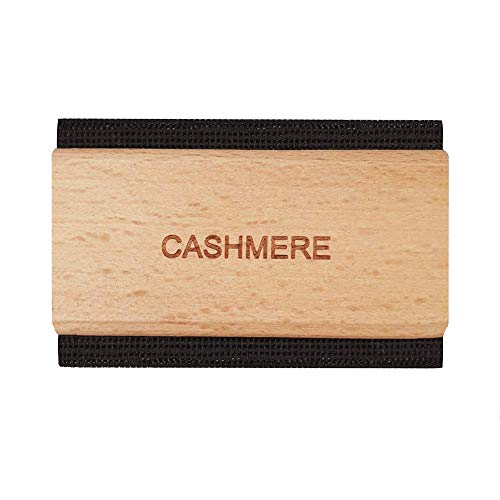
If you want a simple, no-nonsense solution that fits easily into your knitting bag, the classic D-Fuzz-It comb is a staple for a reason. It is a small, handheld tool with a fine metal mesh that catches pills as you glide it across the surface.
It is incredibly effective on dense, felted, or tightly twisted wools that can handle a bit of friction. However, because it is a manual tool, it requires a steady hand and a flat surface to ensure you aren’t pulling at the yarn itself.
For the price, it is an essential item to keep tucked away in your notions case. Just remember that it works best on sturdy, non-delicate fibers where you don’t have to worry about catching a loose strand of mohair or angora.
Laundress Cedar Sweater Comb: Best Natural Wood
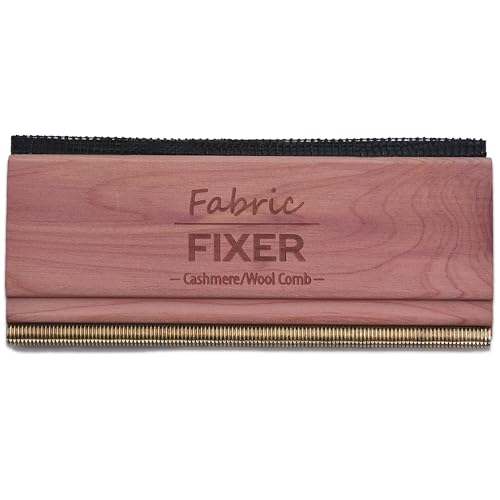
The Laundress Cedar Sweater Comb is as beautiful as it is functional, featuring a sleek wooden handle that feels substantial in your palm. Beyond the aesthetic, the cedar construction is a nod to traditional garment care, often associated with natural moth-repellent properties.
This comb is designed for those who prefer a tactile, slow-fashion approach to maintenance. It works well on medium-weight wools and is gentle enough for everyday sweaters that have seen a season or two of wear.
While it lacks the modularity of the Gleener, it is a high-quality, durable tool that feels like an heirloom piece. If you appreciate natural materials and want a tool that looks as good as it performs, this is the one to choose.
Philips Fabric Shaver: Best Electric Alternative
Sometimes, a manual comb just isn’t enough, especially when dealing with a heavily pilled garment or a large surface area like a blanket. The Philips Fabric Shaver uses a rotating blade behind a protective mesh to shave pills away quickly.
The primary advantage here is efficiency; you can clear a whole sweater in minutes rather than an hour of manual combing. However, you must be extremely careful to keep the fabric taut and avoid pressing too hard, as you don’t want the blades to catch a slightly raised stitch.
This tool is a lifesaver for high-traffic items, but use it with caution on loose or textured knits. Always test it on an inconspicuous area first to ensure it isn’t thinning the fabric or creating new holes.
HiyaHiya Knitting Wool Comb: Best for Hand-Knits

HiyaHiya is a brand well-known for their needles, and their wool comb reflects an understanding of the specific structure of hand-knitted fabric. It is designed to be slightly less aggressive than a standard garment comb, making it safer for your precious hand-knit projects.
Because hand-knits often have a more uneven surface than machine-knit fabric, they are prone to snagging. This comb is specifically shaped to glide over the topography of your stitches without catching on the loops.
If you are worried about damaging your lace work or intricate cable patterns, this is a safer bet. It is the knitter’s choice for those who want to maintain the integrity of their hand-made stitches while removing surface fuzz.
Cocoknits Sweater Comb: Best for Delicate Fibers
Cocoknits has a knack for designing tools that are both minimalist and highly effective. Their sweater comb is specifically engineered to be gentle enough for delicate fibers like cashmere, alpaca, and fine merino.
The teeth are spaced and shaped to lift pills away from the surface without pulling the fiber out of the twist. This is critical for luxury yarns, which can easily look "fuzzy" or worn if handled too roughly.
If you have invested in expensive, high-end yarn, don’t use a generic shaver on it. Use the Cocoknits comb to preserve the soft hand of your delicate garments and keep them looking luxurious for as long as possible.
How to Safely De-Pill Your Hand-Knitted Garments
Always lay your garment flat on a hard, level surface like a table or a blocking board. Never try to de-pill a sweater while you are wearing it, as you won’t have the tension control needed to avoid snagging.
Start by gently brushing in one direction, using very light pressure. If you feel any resistance, stop immediately; that resistance is usually a sign that the tool is catching a stitch rather than a pill.
Work in small sections and pause frequently to check your progress. It is always better to take your time and do a thorough, careful job than to rush and accidentally cut a yarn strand that could unravel your hard work.
Understanding Why Your Wool Knits Start to Pill
Pilling is a natural byproduct of friction, occurring when short fibers on the surface of the yarn rub together and tangle. It happens most often in high-friction areas like under the arms, along the sides, or where a bag strap rubs against the fabric.
Some yarns are more prone to pilling than others, particularly those that are lightly twisted or made from softer, shorter-staple fibers. A yarn with a tight, high-twist ply will generally pill less than a loose, single-ply roving yarn.
Don’t view pilling as a sign of "bad" yarn; it is simply a reality of natural fibers. Even the highest quality cashmere will pill eventually, so consider it a sign that your garment is well-loved and frequently worn.
Proper Technique for Using a Manual Sweater Comb
Hold the comb at a slight angle to the fabric, rather than pressing it flat against the surface. This allows the teeth to catch the pills without digging into the structural fibers of the garment.
Use short, rhythmic strokes rather than long, sweeping motions. This gives you more control and allows you to feel exactly what the comb is doing as it moves across the surface of the knit.
If you find that you are constantly pulling up long fibers, your comb may be too aggressive for that specific yarn. Switch to a finer-toothed tool or stop and pick off the remaining pills by hand to avoid damaging the yarn’s structure.
Essential Tips for Long-Term Wool Fiber Care
The best way to manage pilling is to minimize the friction that causes it in the first place. Wash your garments inside out to protect the outer surface, and always use a wool-specific wash to keep the fibers hydrated and supple.

Proper storage is also key; fold your sweaters rather than hanging them to prevent stretching and unnecessary friction against other garments. If you notice a pill, address it sooner rather than later.
Small, frequent maintenance sessions are much easier than trying to restore a garment that has been allowed to become heavily matted. With these tools and a bit of patience, your hand-knits will remain beautiful for years.
Maintaining your knitwear is an act of love that extends the life of your projects and rewards your time at the needles. By choosing the right tool for the specific fiber and structure of your garment, you can keep your pieces looking fresh and clean. Remember that a little bit of careful maintenance goes a long way in ensuring your hand-knits remain staples in your wardrobe. Happy knitting, and may your sweaters stay pill-free for seasons to come.