
7 Best Knitwear Combs For Removing Pilling To Try
Keep your sweaters looking brand new with our top 7 knitwear combs. Discover effective tools to remove pilling and restore your favorite garments with ease.
Every knitter knows the heartbreak of spending weeks on a gorgeous wool sweater, only to see it covered in unsightly fuzz after just a few wears. Pilling is an inevitable reality of friction, but it doesn’t mean your hard work is ruined or destined for the back of the closet. With the right tools, you can restore your knits to their original, crisp glory without damaging the delicate structure of your stitches. Here are the best tools to help you manage your fiber care like a pro.
Gleener Ultimate Fuzz Remover: Best Overall Pick
The Gleener is a standout because it offers a three-in-one approach that respects the fact that not all yarn weights are created equal. It features three interchangeable edges designed for different fabric densities, ranging from bulky, heavy-gauge sweaters to fine, delicate knits.
This tool is a favorite because it mimics the manual control of a comb while providing the surface area of a shaver. For those of us who spend hours on complex colorwork, the ability to switch edges ensures you aren’t pulling at the fibers of a thin, high-twist yarn with a coarse setting.
The trade-off here is the manual labor involved. You have to be deliberate with your strokes, pulling the fabric taut to avoid catching any loose stitches. However, this manual control is exactly what makes it safer than an electric alternative for your favorite hand-knits.
D-Fuzz-It Sweater Comb: Best Budget Choice
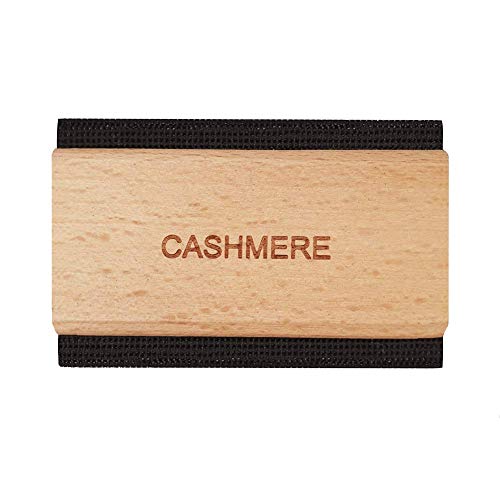

Sometimes the simplest tool is the most reliable, and the D-Fuzz-It is a classic for a reason. It is essentially a small, ergonomic block with a metal screen that catches pills as you pull it across the surface of the garment.
It is perfect for keeping in your project bag for quick touch-ups on the go. If you are knitting socks or a simple stockinette sweater, this tool is excellent for clearing away the initial "fuzzing" that happens during the first few wears.
The downside is that it can be aggressive if you aren’t careful. Because it lacks the refined edge settings of more complex tools, you must use a light touch on softer fibers like cashmere or alpaca to avoid thinning out the yarn.
The Laundress Sweater Stone: Best Natural Option
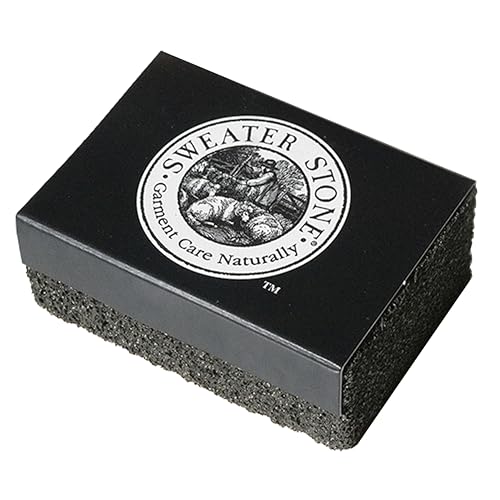
The Sweater Stone is a unique tool made from volcanic pumice, which works by lifting the pills away from the fabric surface rather than slicing them off. It is an excellent choice for knitters who are wary of metal blades near their hand-knit stitches.
This tool works best on heavy, sturdy wools like Highland or Corriedale. Because it is abrasive, it is not recommended for delicate, silky, or highly decorative yarns that might fray under the friction of the stone.
Think of this as a gentle exfoliation for your knitwear. It is incredibly satisfying to use, but remember that it is a physical process that removes a tiny amount of fiber, so use it sparingly to avoid wearing down the yarn over time.
Cocoknits Sweater Comb: Best for Delicate Knits
Cocoknits understands the knitter’s mindset, and their sweater comb is designed with the integrity of the stitch in mind. It is compact and features a very fine metal edge that is specifically calibrated for high-end fibers.
If you have invested in luxury yarns like silk-mohair blends or fine merino, this is the tool you want in your kit. The teeth are spaced to catch pills while letting the main structure of the stitch pass through safely.
Always test this on an inconspicuous area, like the inside of a hem, before tackling the front of your sweater. Even with the best tools, the key is to work in small, controlled sections rather than dragging the comb across the entire garment at once.
Philips Fabric Shaver: Best Electric Alternative
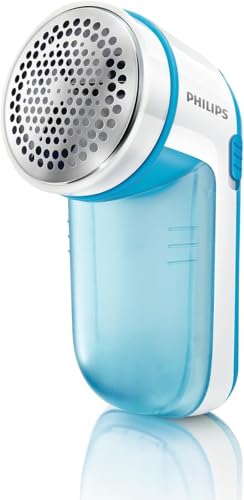
Sometimes, when you are dealing with a large-scale project like a thick, cable-knit blanket or a sweater made from a sturdy, pilling-prone acrylic blend, a manual comb just won’t cut it. The Philips Fabric Shaver is the industry standard for electric de-pilling.
It uses a rotating blade behind a metal mesh to trim pills cleanly. This is much faster than manual methods, but it does carry the risk of snagging a loose stitch if you aren’t paying attention to your tension.
The biggest mistake knitters make with electric shavers is pressing too hard. Let the tool glide over the surface; if you push, you risk cutting the yarn itself, which can lead to a hole that is very difficult to repair.
Evercare Fabric Shaver: Best Compact Tool

The Evercare shaver is a fantastic, portable option for those who travel with their knitting. It is small enough to fit in a notions pouch, making it perfect for fixing pilling on a sweater you’ve been wearing during a long flight or commute.

While it isn’t as powerful as a full-sized electric unit, it is more than capable of handling minor pilling. It is an ideal middle ground for someone who wants the speed of an electric tool without the bulk of a larger device.
Because it is battery-operated, keep a spare set of batteries in your kit. There is nothing more frustrating than being ready to clear your favorite cardigan only to find the tool has run out of power.
Steamery Pilo 2 Fabric Shaver: Best Premium Tool

The Pilo 2 is a sleek, modern, and highly effective tool that justifies its premium price tag through its precision. It is designed to be gentler on the fabric than cheaper electric shavers, with a mesh that is specifically engineered to minimize snagging.
If you own a collection of high-quality, hand-knitted garments, this is an investment in their longevity. It is quiet, efficient, and feels substantial in the hand, which helps with the steady, controlled movements required for safe de-pilling.
It is also USB-rechargeable, which is a major convenience for modern knitters. Just remember that even with a premium tool, the goal is to remove the pills, not to shave the fabric; use it with a light, floating touch.
Understanding Why Your Knits Develop Pilling
Pilling is essentially the result of loose fibers migrating to the surface and tangling together due to friction. This happens most often in areas of high wear, such as under the arms, along the sides of the torso, or where a bag strap rubs against the fabric.
Yarns with shorter staple lengths—the physical length of the individual fiber—are more prone to pilling because the ends work their way out of the twist more easily. Conversely, long-staple wools or tightly plied yarns tend to hold their structure better over time.
Don’t panic if your new sweater pills; it is often just the "bloom" of the yarn settling in. Once you remove these initial pills, the garment often stabilizes and requires less frequent maintenance in the future.
How to Properly Use a Comb on Hand-Knits
The golden rule of using a comb or shaver on hand-knits is to lay the garment perfectly flat on a hard surface. Never try to de-pill a sweater while you are wearing it, as you cannot maintain the necessary tension or angle.
Start by smoothing the fabric out so there are no wrinkles or folds. If you are working on a garment with cables, be extra cautious; the raised texture of the cable is a prime spot for the tool to snag a loop.
Work in small, gentle strokes in the direction of the knit. If you feel any resistance, stop immediately. It is better to leave a few stubborn pills behind than to accidentally slice through a structural yarn and create a ladder in your knitting.
Essential Fiber Care Tips for Longevity
Prevention is always better than cure, and how you care for your yarn starts long before you pick up a comb. Washing your garments with a high-quality wool wash that contains lanolin can help keep fibers supple and less prone to breaking.
- Avoid over-washing: Wool is naturally antimicrobial; airing your sweaters out between wears is often enough to keep them fresh.
- Use a garment bag: When washing in a machine, always use a mesh bag to reduce friction against the drum and other clothes.
- Store properly: Fold your sweaters rather than hanging them, as hanging can cause the shoulders to stretch and the fabric to distort over time.
Finally, remember that pilling is a sign of a well-loved garment. While it requires maintenance, the process of caring for your knits is part of the joy of being a maker. Treat your tools with respect, and your hand-knitted pieces will last for decades.
Maintaining your knitwear is an essential skill that elevates your craft from simply making items to curating a lasting, high-quality wardrobe. By choosing the right tool for your specific fiber type and using it with patience and care, you can keep your projects looking pristine for years. Don’t be afraid of a little pilling; it’s just a sign that your hard work is being put to good use. Happy knitting, and enjoy the process of keeping your stitches beautiful.

